- 🇰🇷 이 포스팅은 한국어로 작성된 후기를 번역기를 통해 번역하였으니 오역이 있을 수 있습니다.
- 🇺🇸 This post was written in Korean and machine-translated, so there may be translation errors.
- 🇯🇵 この記事は韓国語で書かれ、機械翻訳されたため、誤訳の可能性があります。
- 🇹🇭 โพสต์นี้เขียนเป็นภาษาเกาหลีและแปลโดยเครื่องมือแปลภาษา อาจมีข้อผิดพลาดในการแปล
- 🇨🇳 本文用韩语撰写并通过机器翻译,可能存在误译。
- 🇹🇼 本文以韓語撰寫並經機器翻譯,可能會有翻譯錯誤。
- 🇭🇰 本文原以韓文撰寫,經由翻譯軟體翻譯,內容可能會有偏差。
- 🇩🇪 Dieser Beitrag wurde auf Koreanisch verfasst und maschinell übersetzt; Fehler sind möglich.
Exploring Sendai City’s Temples, Shrines, and Historical Sites | Your Ultimate Guide to Sendai’s Historical Gems
When many people search for Exploring Sendai City’s Temples, Shrines, and Historical Sites, they often worry about:
✔️ Will there be too many stairs and exhaust me?
✔️ Will the car parks be too congested?
✔️ Will there be enough things to see or do?
“To sum up, these historical spots are incredibly rich in local culture, offering everything from amazing city views to quirky, good-luck food items.”
“The place that satisfied everything was Exploring Sendai City’s Temples, Shrines, and Historical Sites!! Let me show you why.”
📍 Location: 1-1 Toshogu, Aoba Ward, Sendai, Miyagi 980-0005, Japan
🕒 Hours: Kanahebisuijinja Shrine: 08:30 – 16:30, Miyagiken Gokoku Shrine: 09:00 – 17:00, Osaki Hachiman-gu: 09:00 – 17:00, Sendai Toshogu: 09:00 – 17:00, Sendai Castle Site (Aoba Castle): 24 hours open (Facilities vary)
📌 Why famous: Dating back to Date Masamune, these sites feature National Treasure-level architecture, opulent shrines, and spectacular views over the city.
🗺️ Google Map:
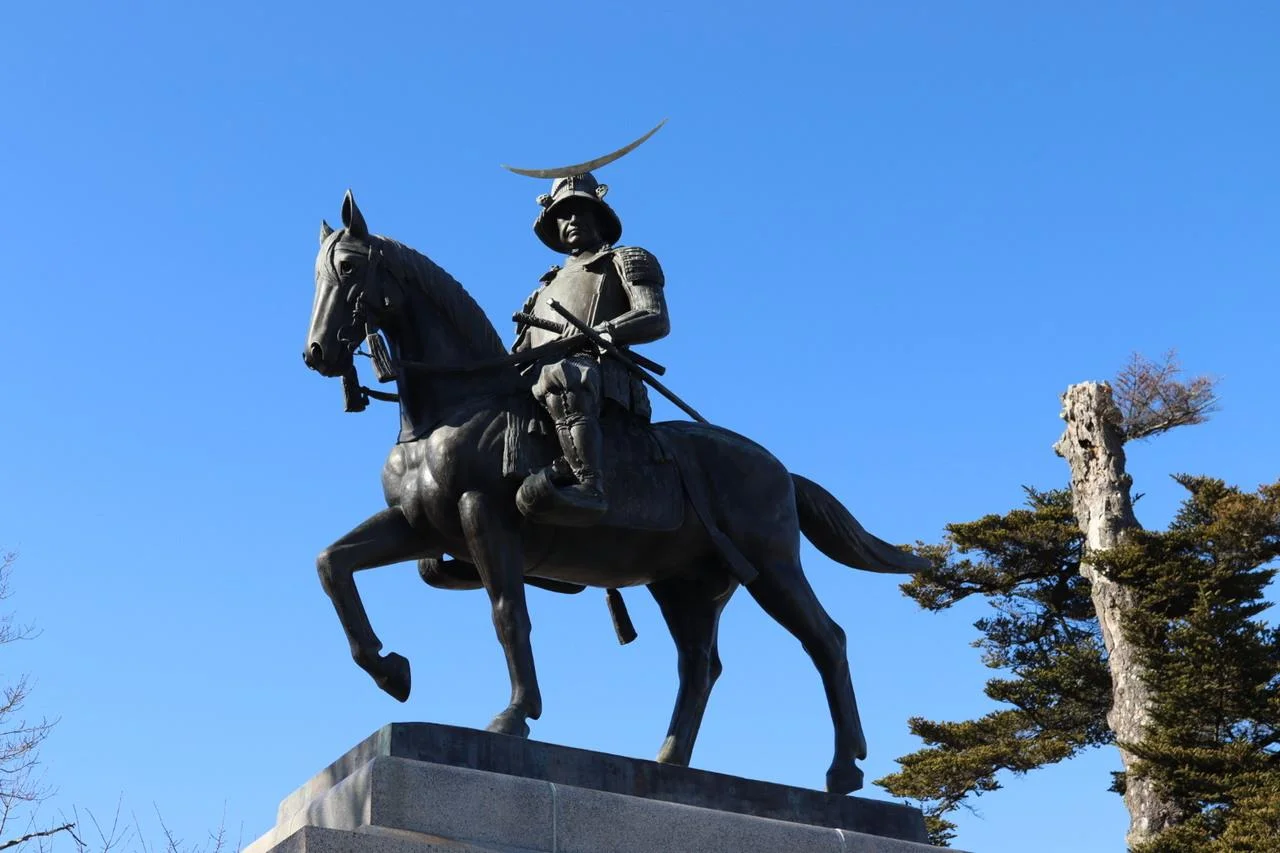
📌 Features: Unique seasonal events, the famous Matsukawa Daruma doll, and the iconic Date Masamune equestrian statue.
📌 Benefit: A perfect way to explore the deep history of the Date clan and enjoy amazing photo opportunities.
Getting Rich Quick? Our Day Exploring Sendai City’s Temples, Shrines, and Historical Sites
Kanahebisuijinja Shrine: The Money Temple Magic
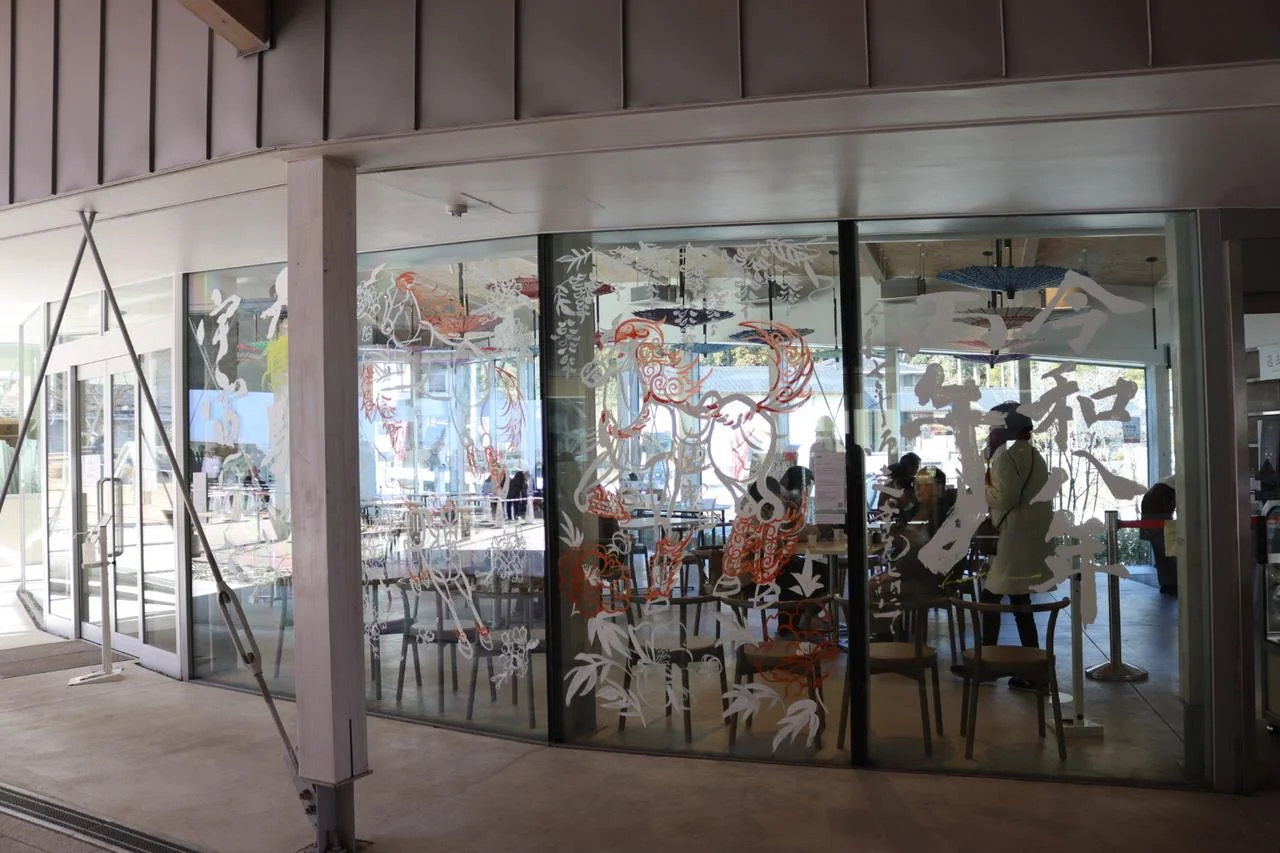
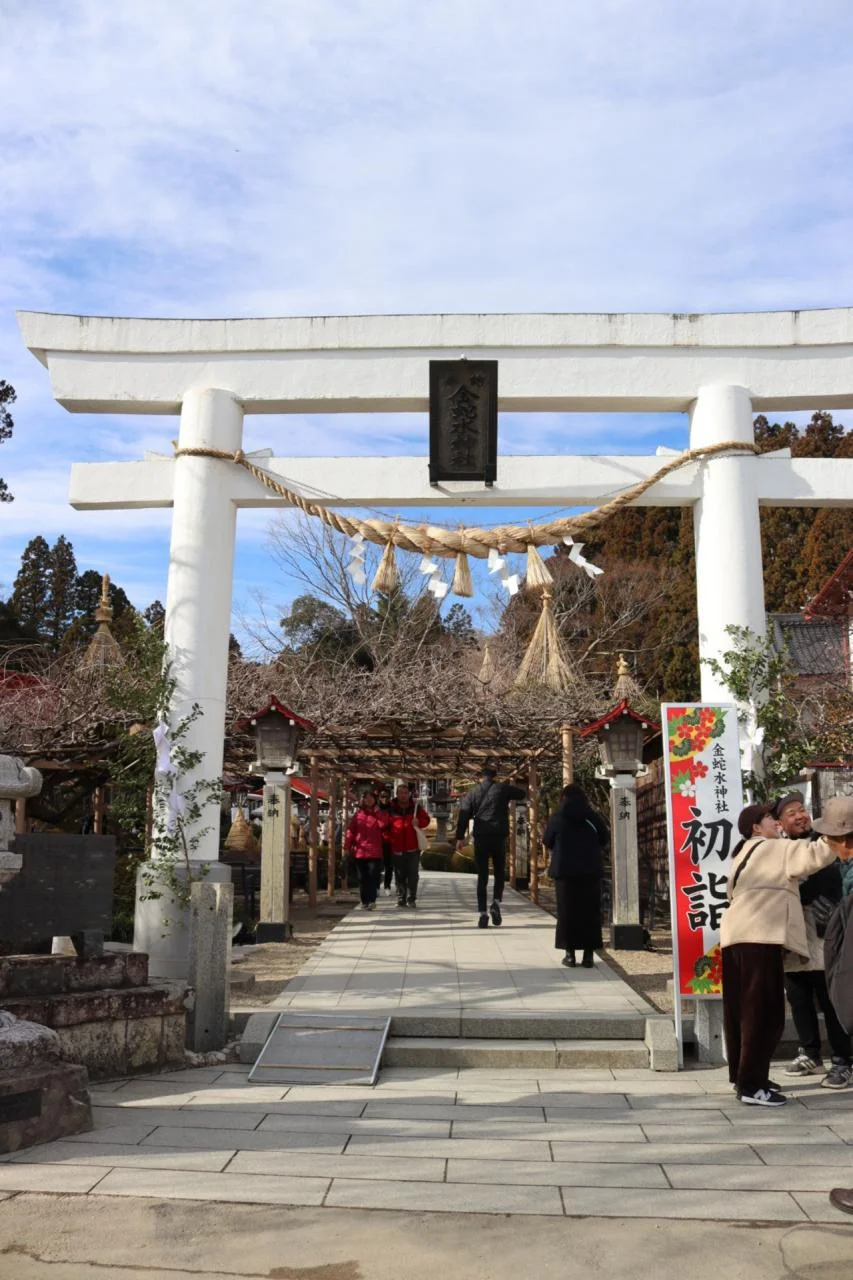
The first place we drove to after picking up our rental car at Sendai Airport was Kanahebisuijinja Shrine, the legendary ‘money luck’ spot!
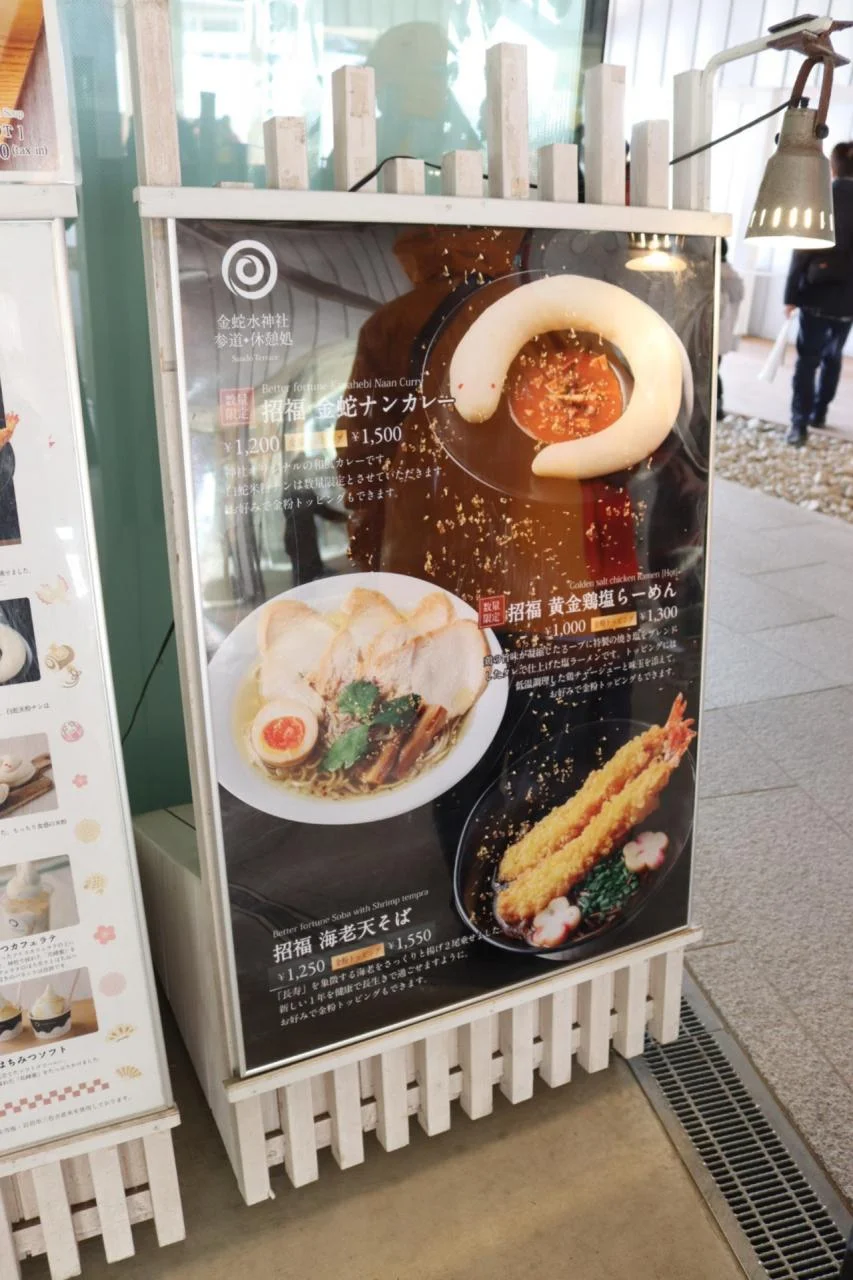
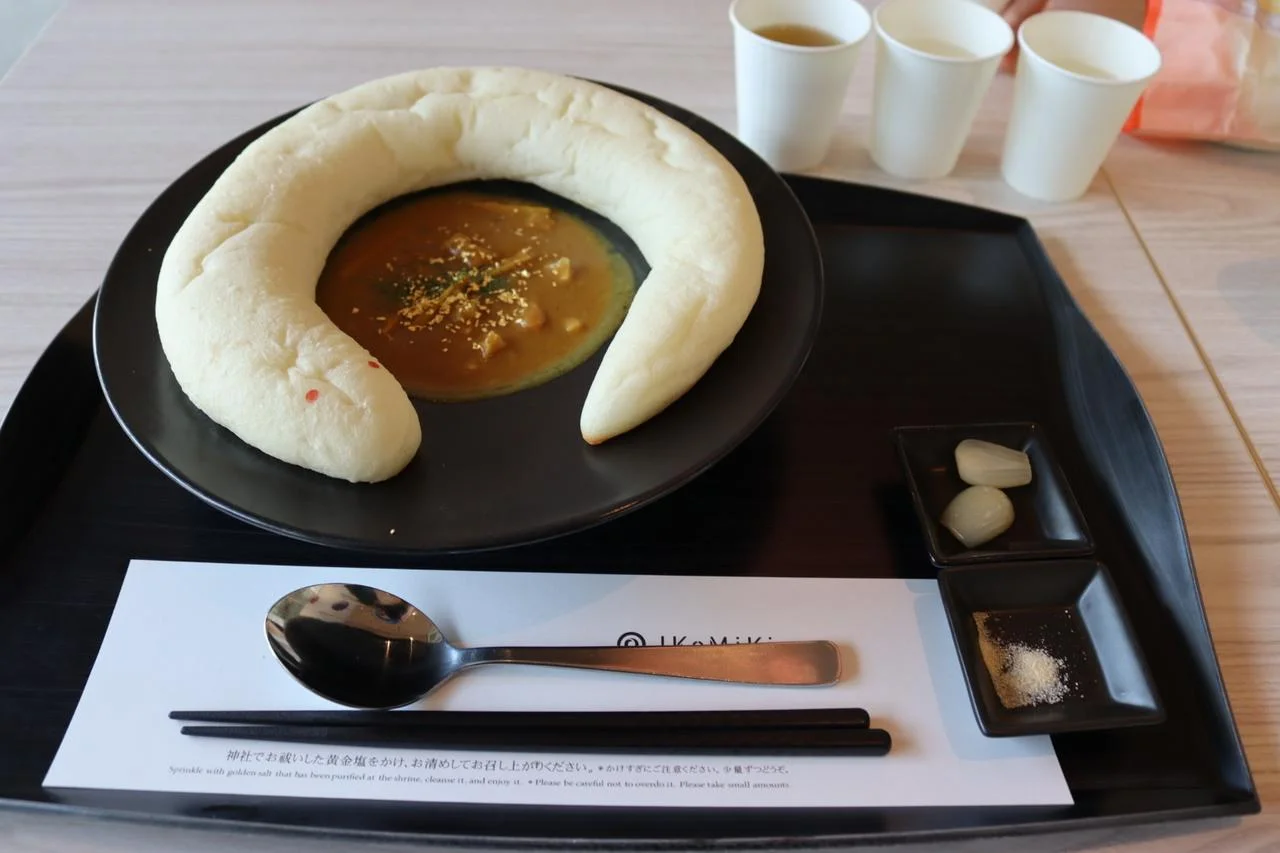
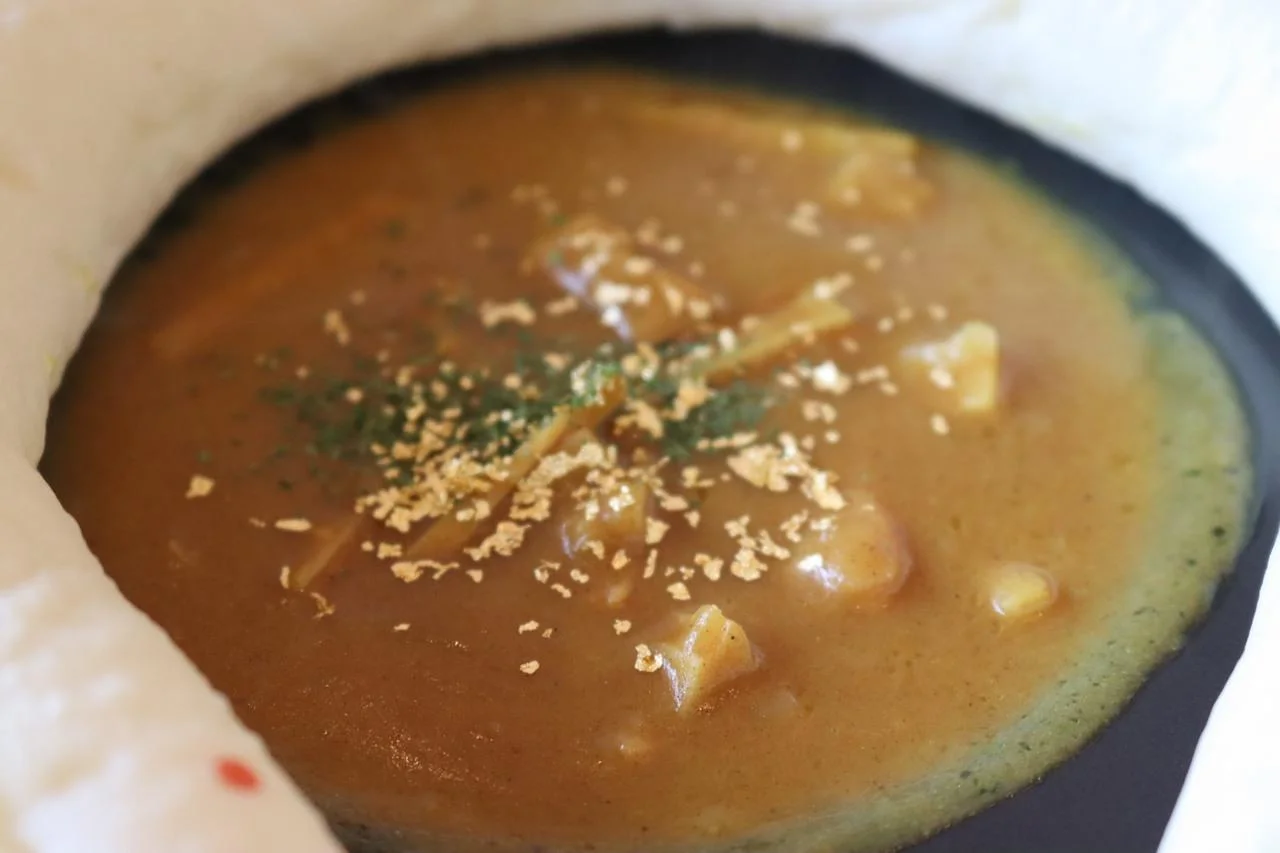
It was only about 13km from the airport, and I was absolutely bursting to try their limited-edition ‘Super Lucky Gold Snake Nan Curry’.
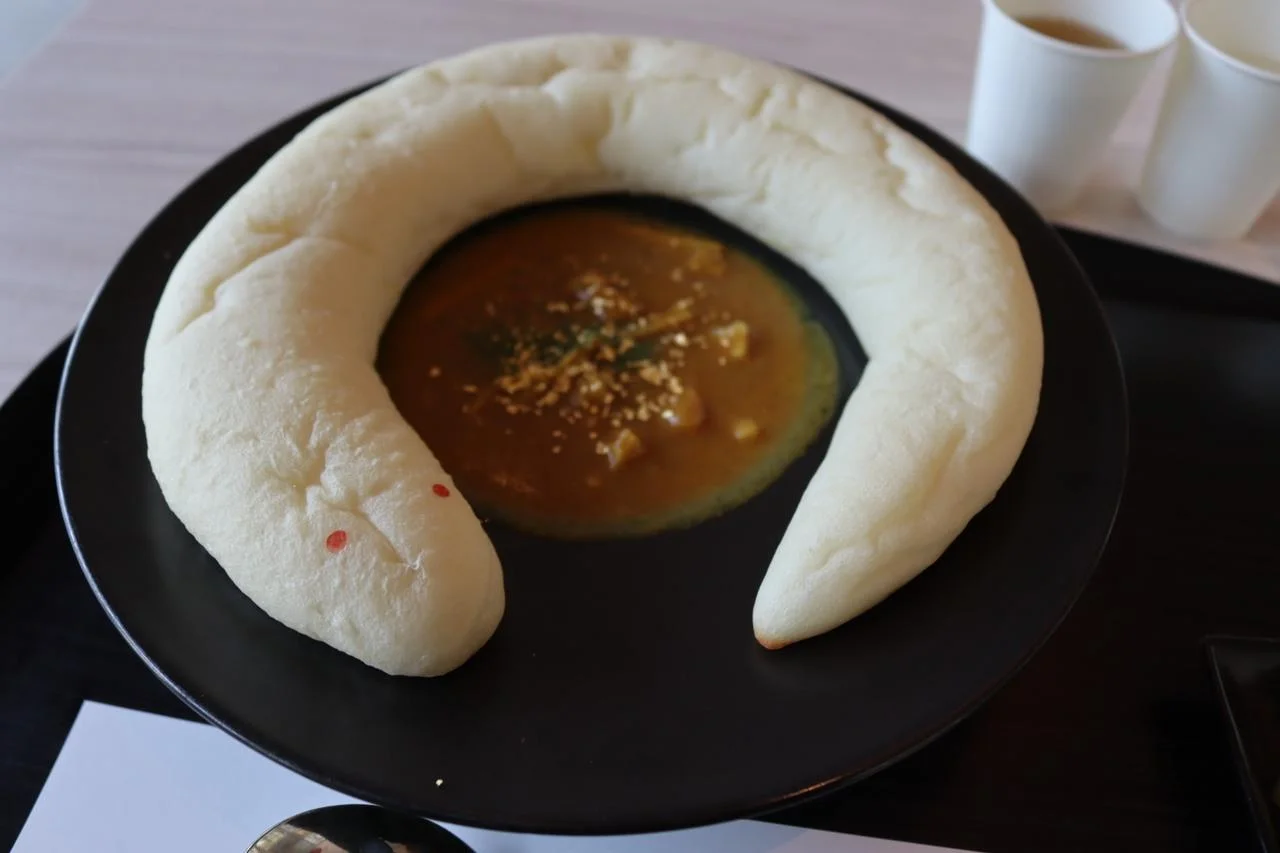
Watching them sprinkle real gold dust onto the curry right in front of me felt like a guarantee of fantastic fortune for the rest of the year, which was bloody amazing.
The chewy, white, snake-shaped rice flour naan bread paired with the savoury Japanese curry was surprisingly delicious, I was stoked!
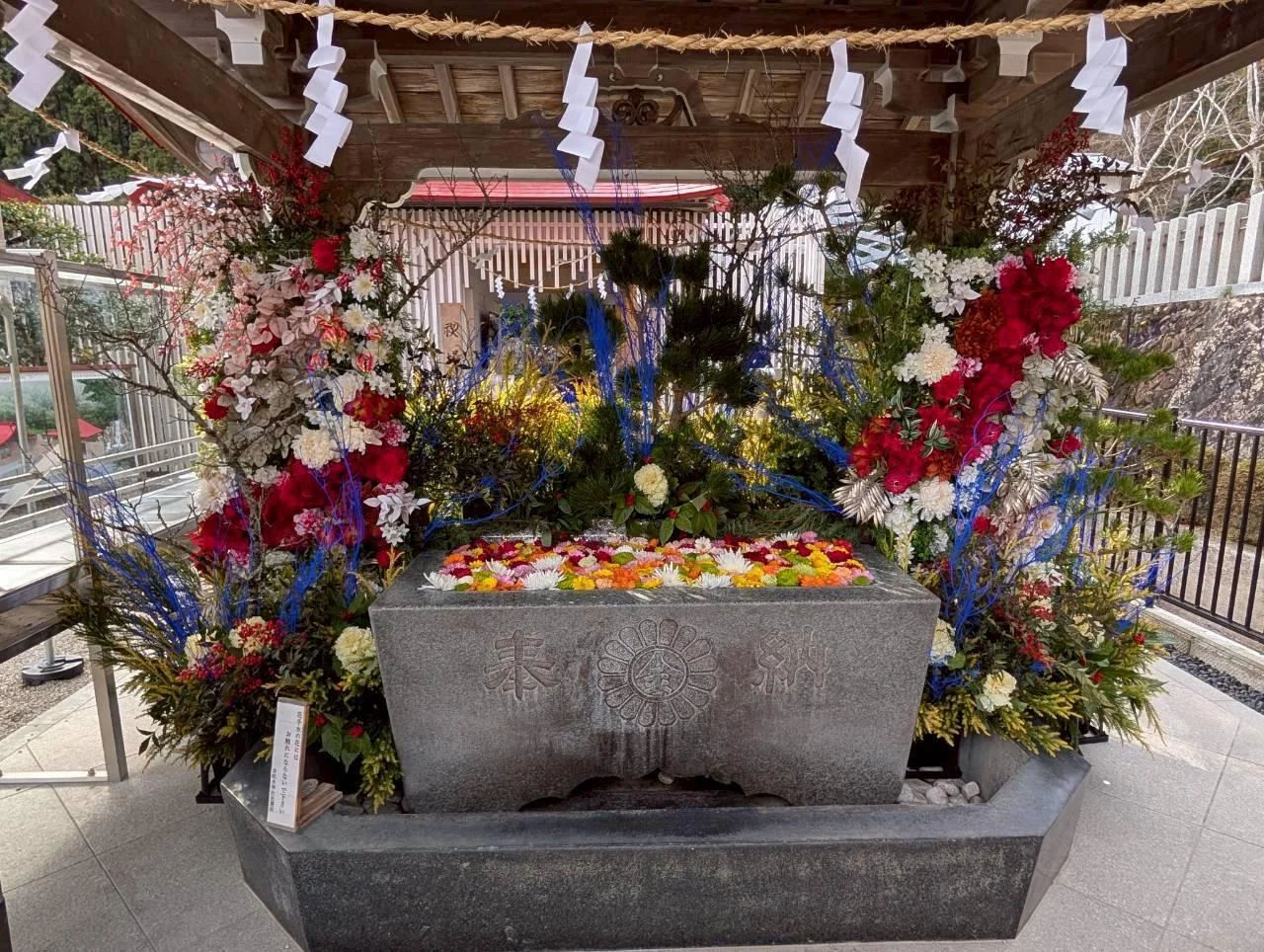
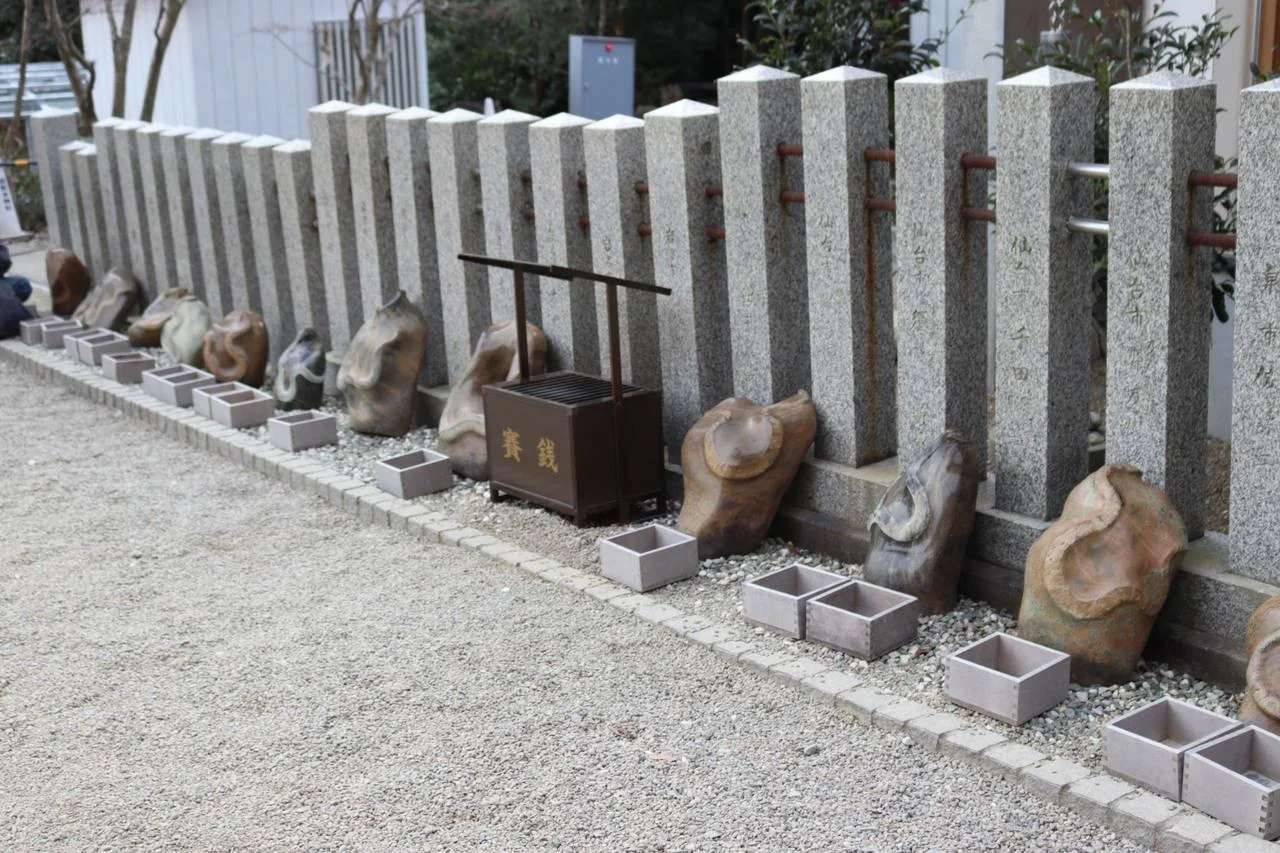
After polishing off the curry, I carefully washed my hands in the beautiful Hanatezu (flower-filled water basin) and then dutifully rubbed my wallet against the serpentine rock inside the grounds, praying to strike it rich, haha.
This stop was definitely a unique start to our adventure Exploring Sendai City’s Temples, Shrines, and Historical Sites!
Iconic Views and Big Luck at the Castle Site
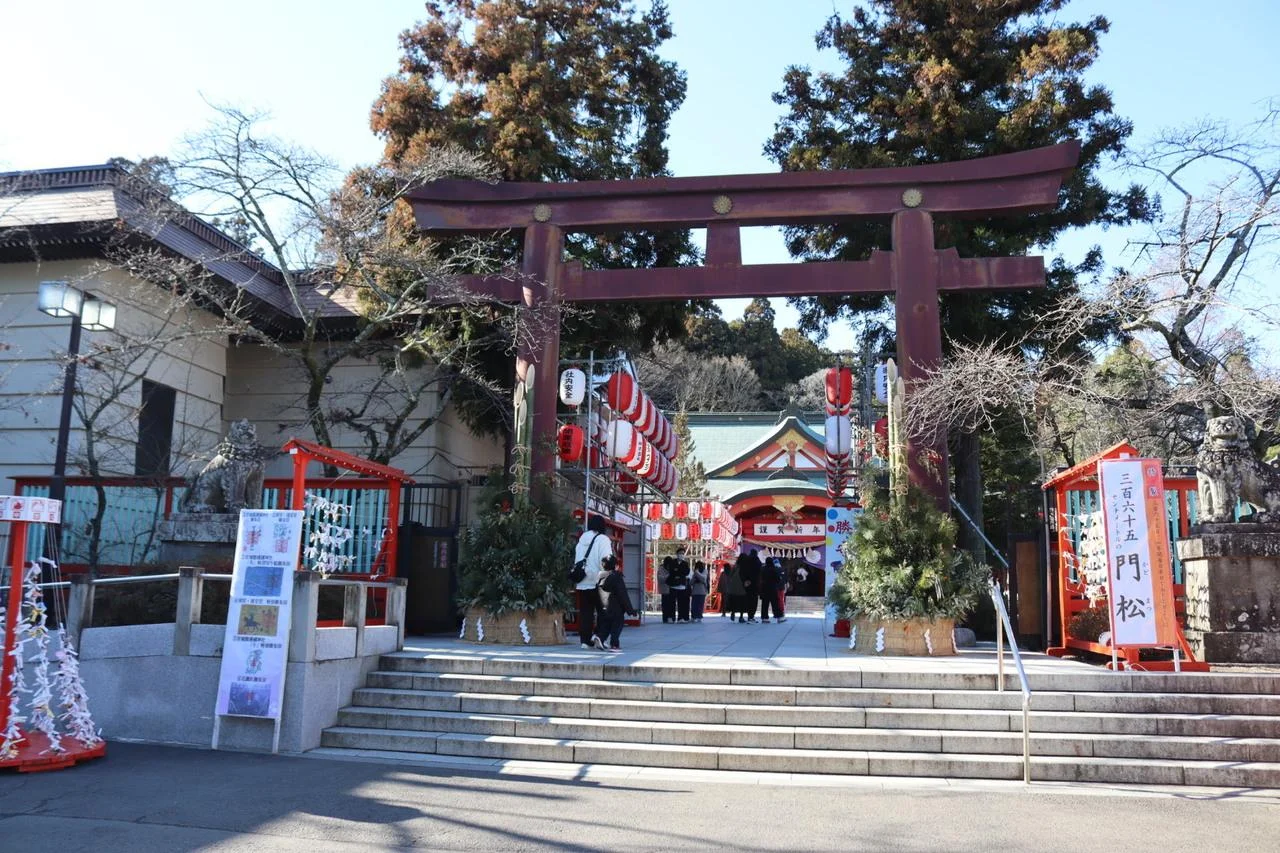
Sendai Castle Site & Miyagiken Gokoku Shrine
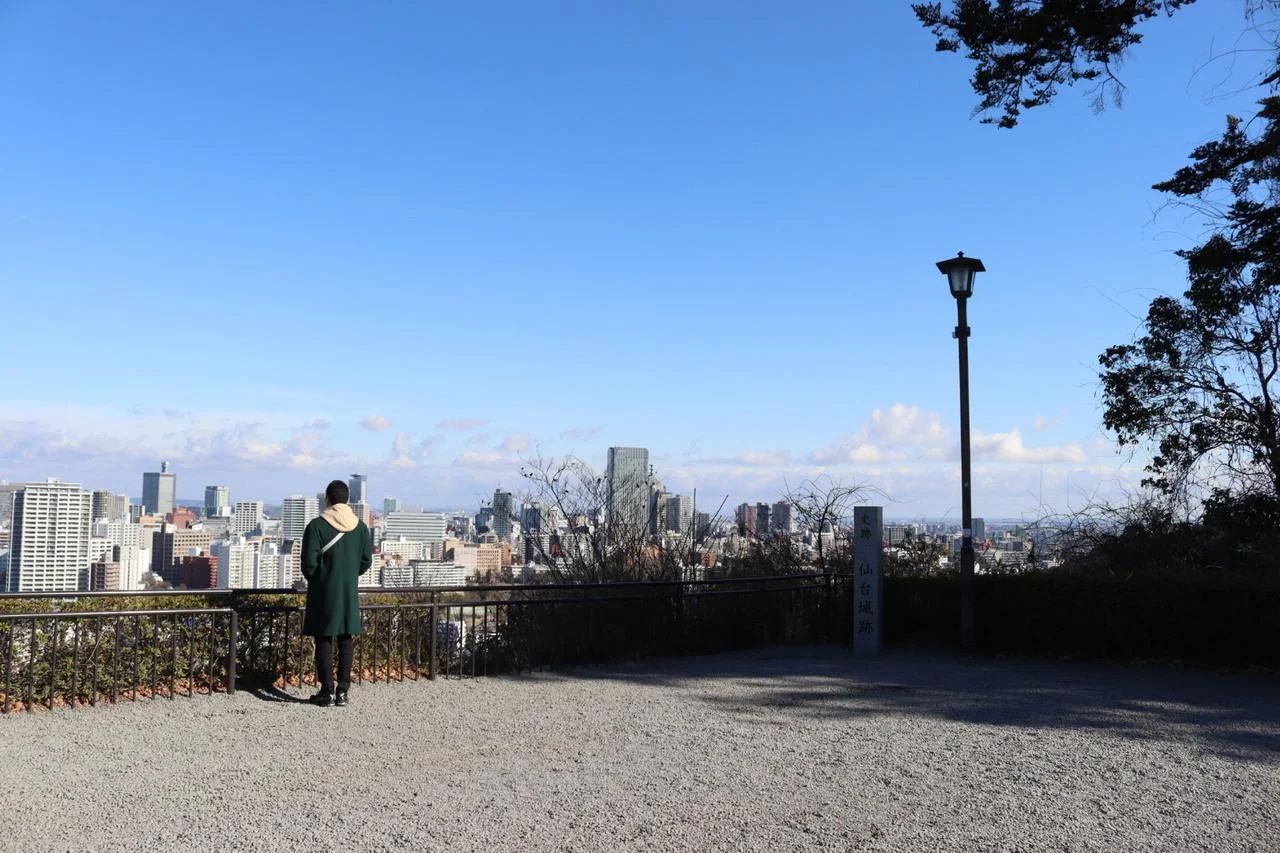
Next up, we headed to the iconic Sendai Castle Site, also known as Aoba Castle.
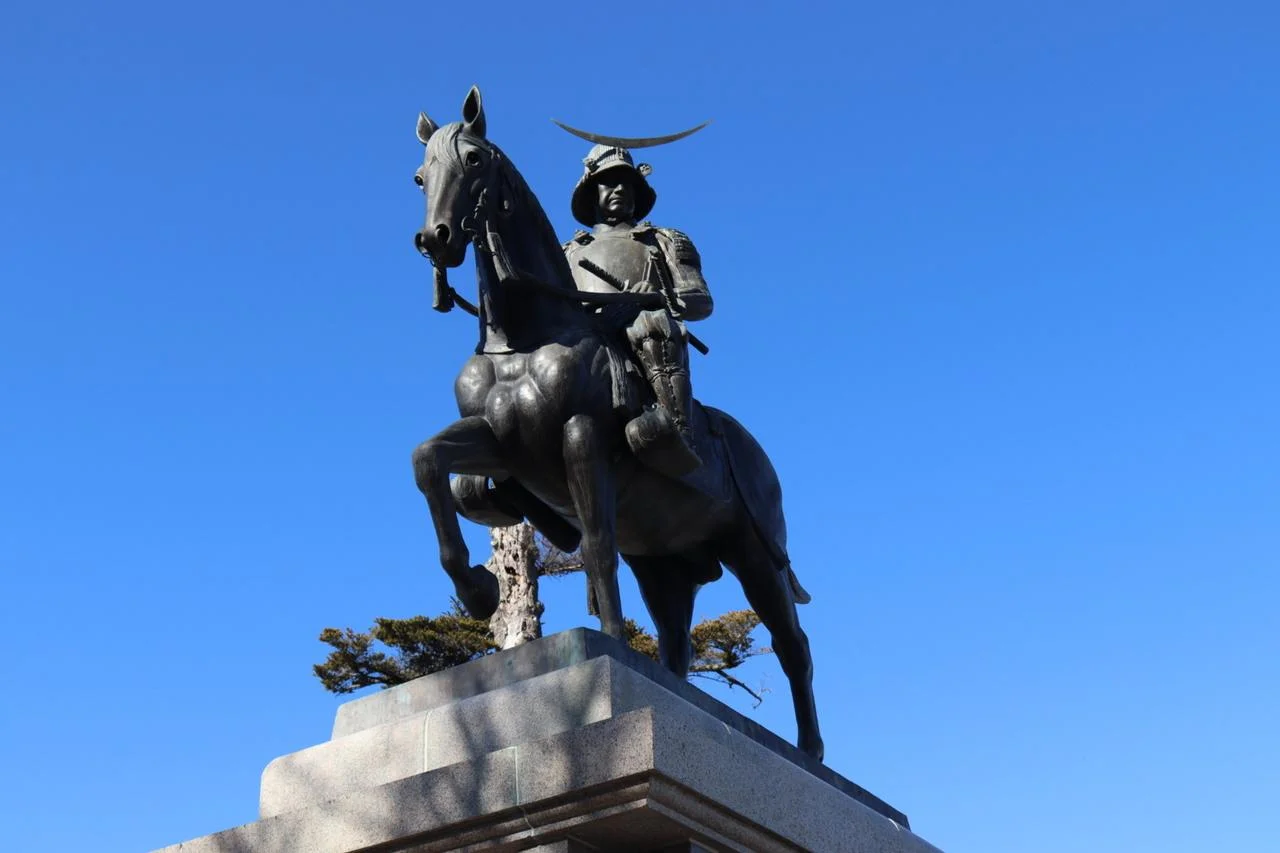
Because it’s perched up high, the view following Date Masamune’s gaze overlooking the entire city of Sendai was absolutely killer!
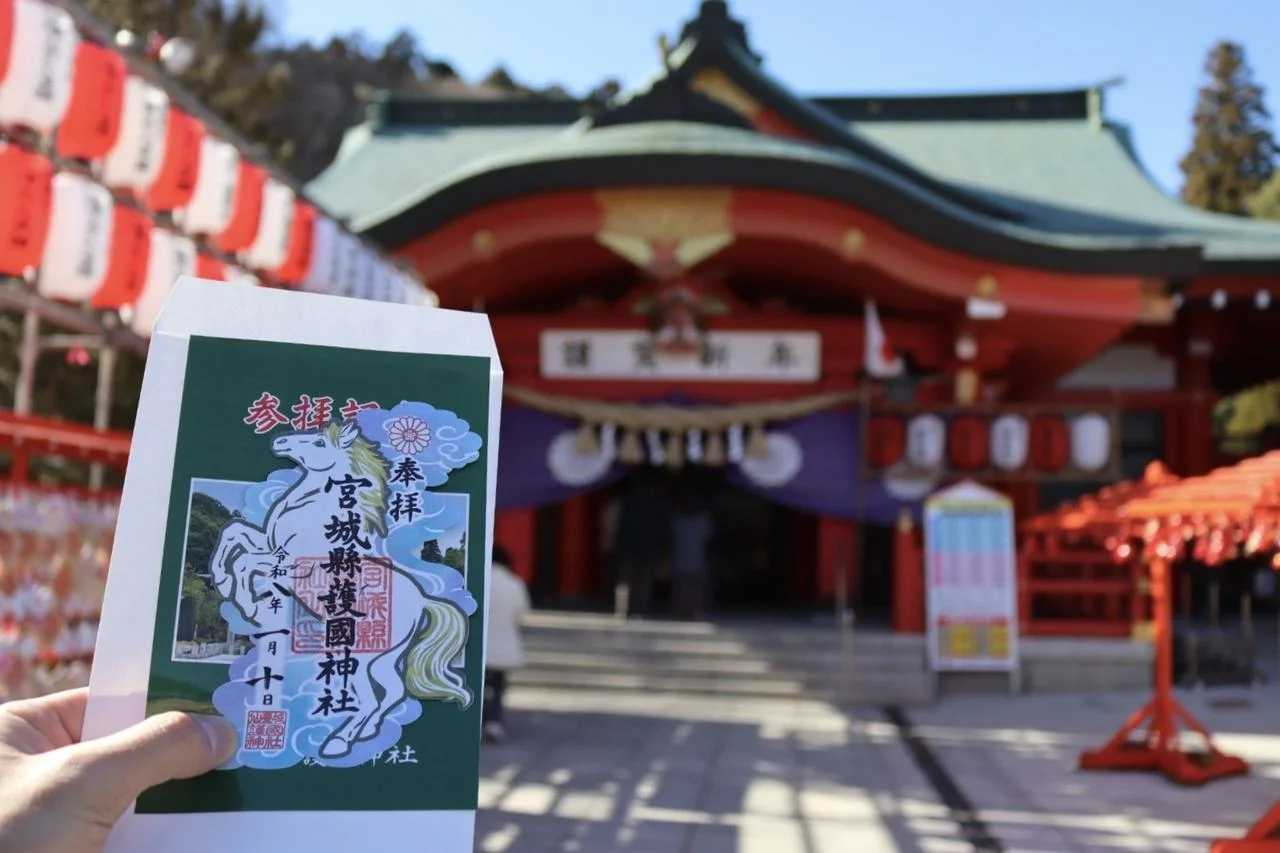
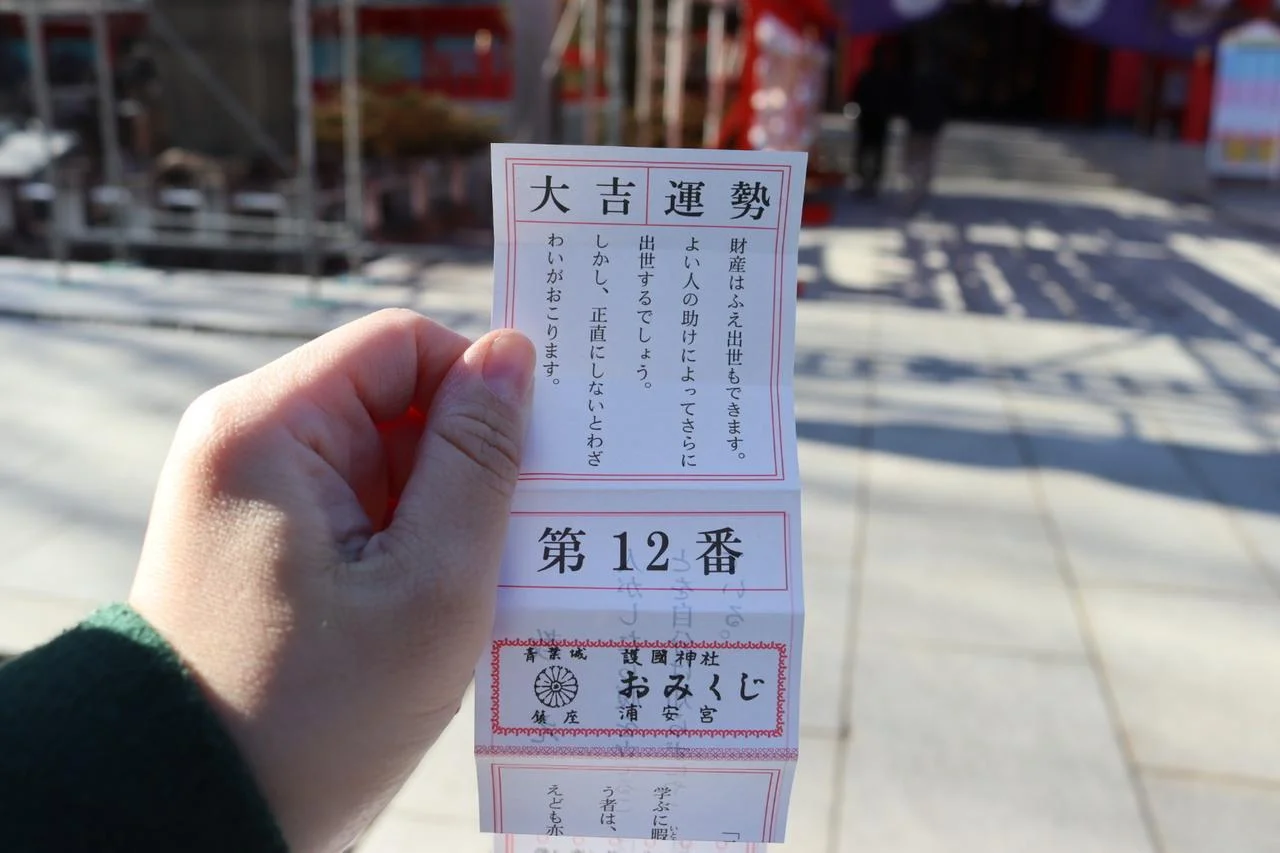
I paid my respects at the adjacent Gokoku Shrine and pulled an Omikuji (fortune slip)—I got ‘Daikichi’ (Great Luck)! I was absolutely thrilled.
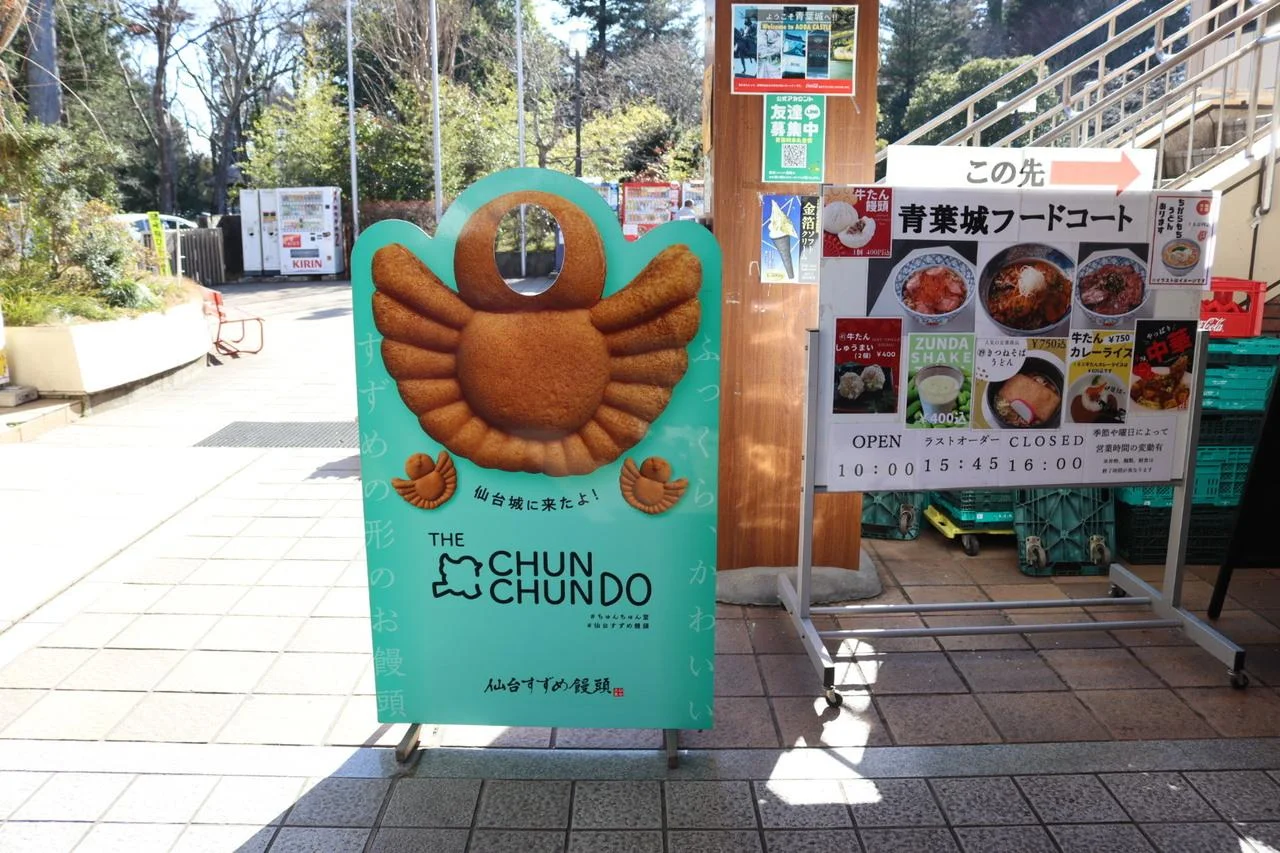
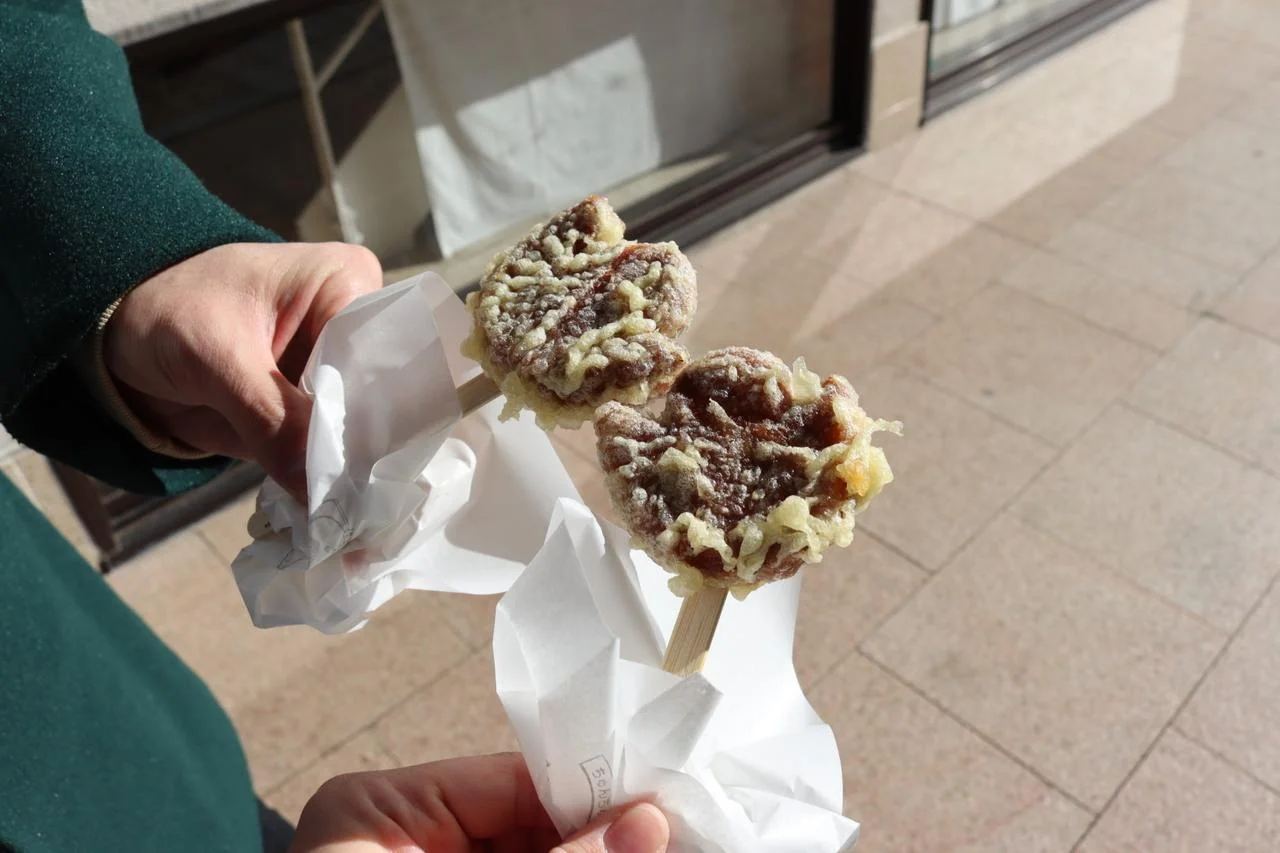
In the shopping area near the statue, I tried ‘Chunchundo’s’ fried steamed buns, which were a fantastic local treat; crunchy on the outside and filled with soft Zunda (sweet soybean) cream inside.
Even though the main castle structures are long gone, standing by the remaining foundations and imagining the former grandeur of this place really gave me goosebumps.
It was truly a moving moment during our session Exploring Sendai City’s Temples, Shrines, and Historical Sites.
National Treasures and Footballers: Osaki Hachiman-gu
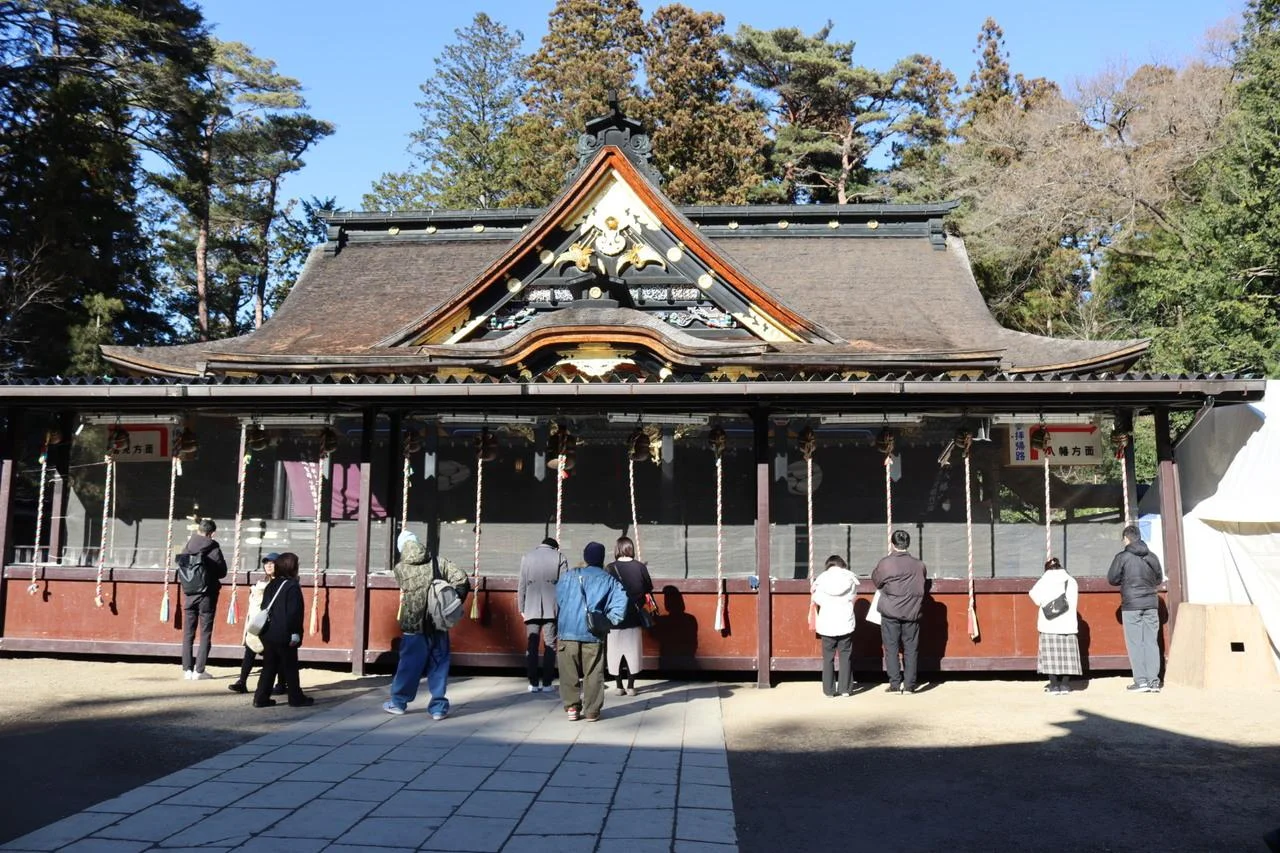
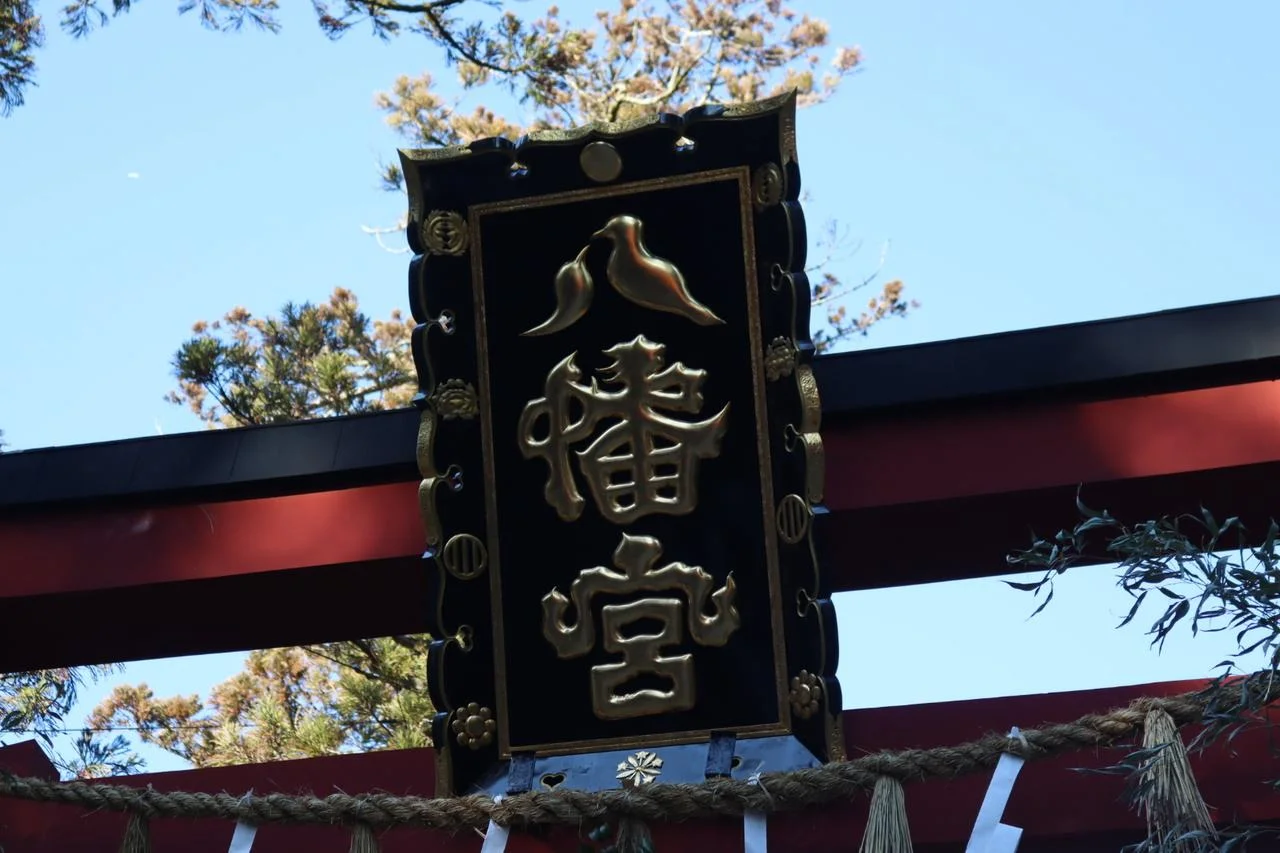
Stepping into Osaki Hachiman-gu, a designated National Treasure, the solemn atmosphere of the ‘Nagatoko’ (hall of worship) and the dazzling main hall instantly hit me.
The blend of black lacquer and gold leaf decoration is pure artistry—it totally knocked my socks off.
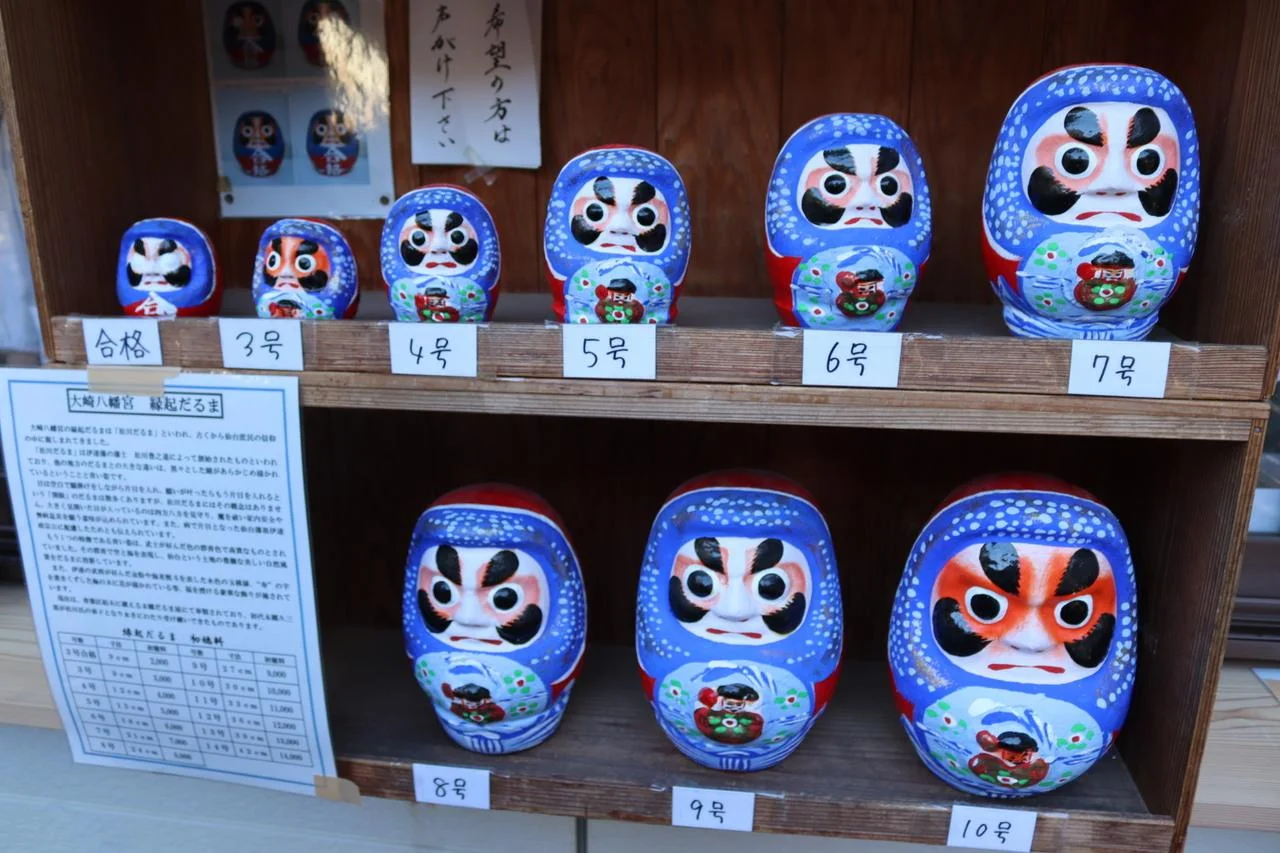
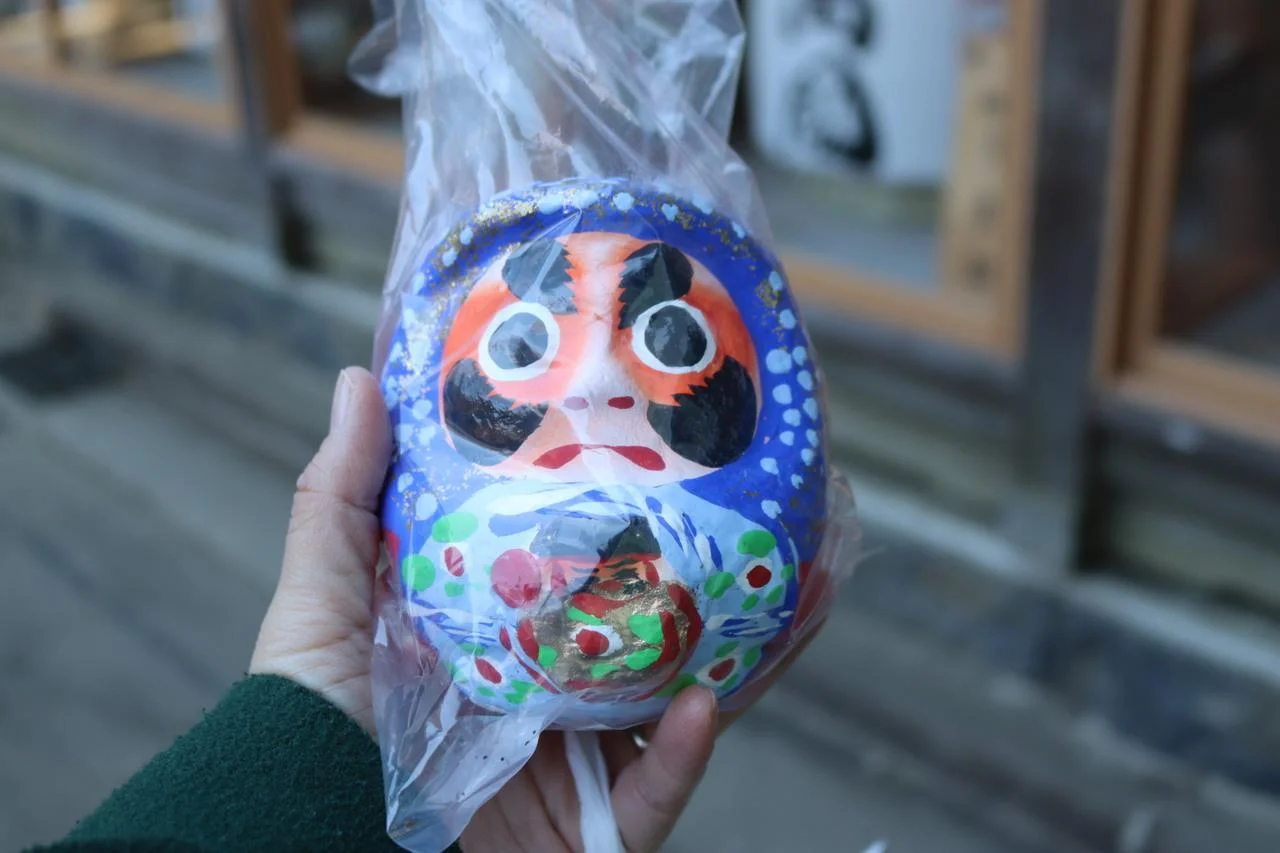
The grounds were full of the famous blue ‘Matsukawa Daruma’ dolls, a Sendai specialty for warding off bad luck, and I was fascinated that they already have eyes painted on them!
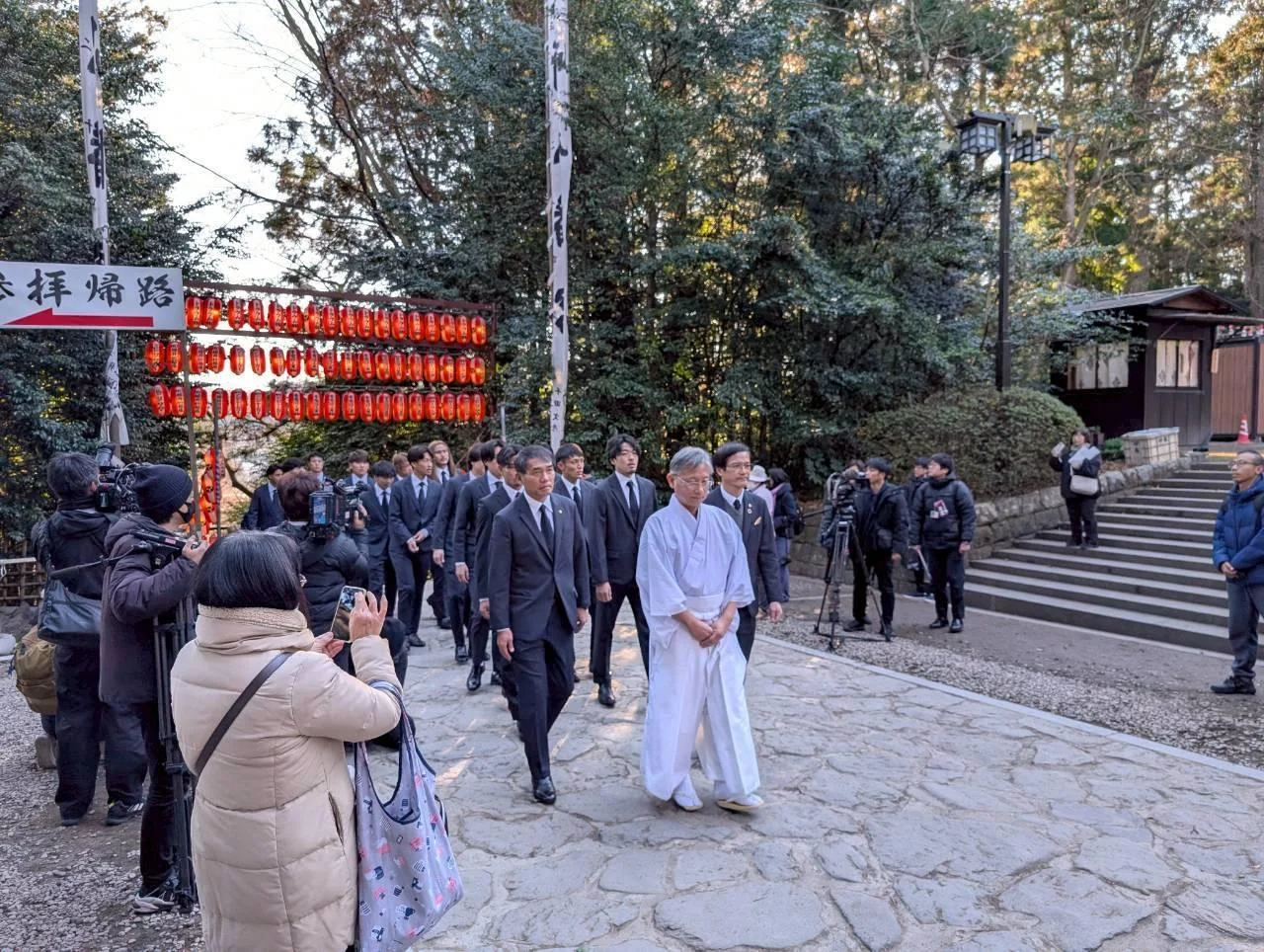
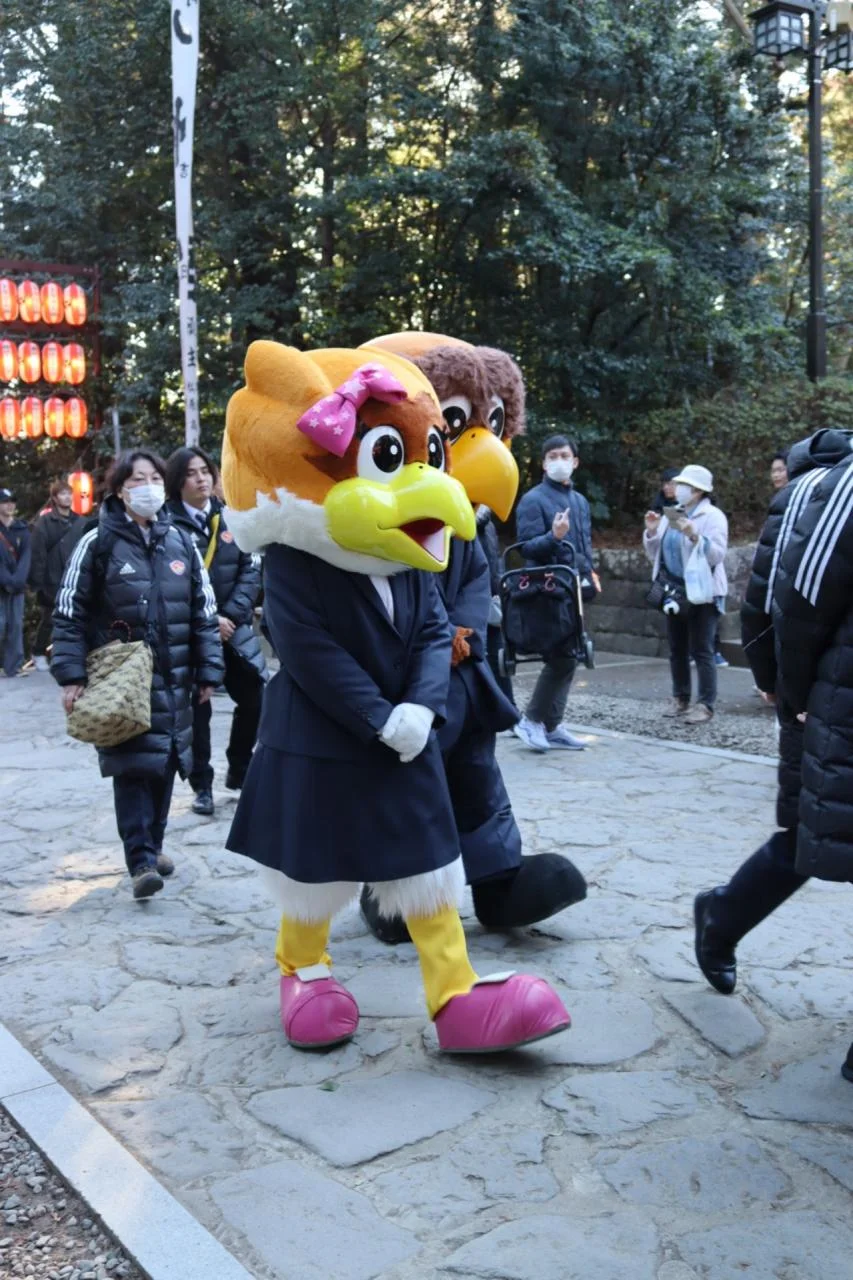
Talk about lucky timing—when I visited, the local football team, Vegalta Sendai, was there holding their prayer ceremony for victory!
Seeing the team mascots, Vegatta and Rutana, dressed up in suits and praying alongside the fans was a genuinely fun sight.
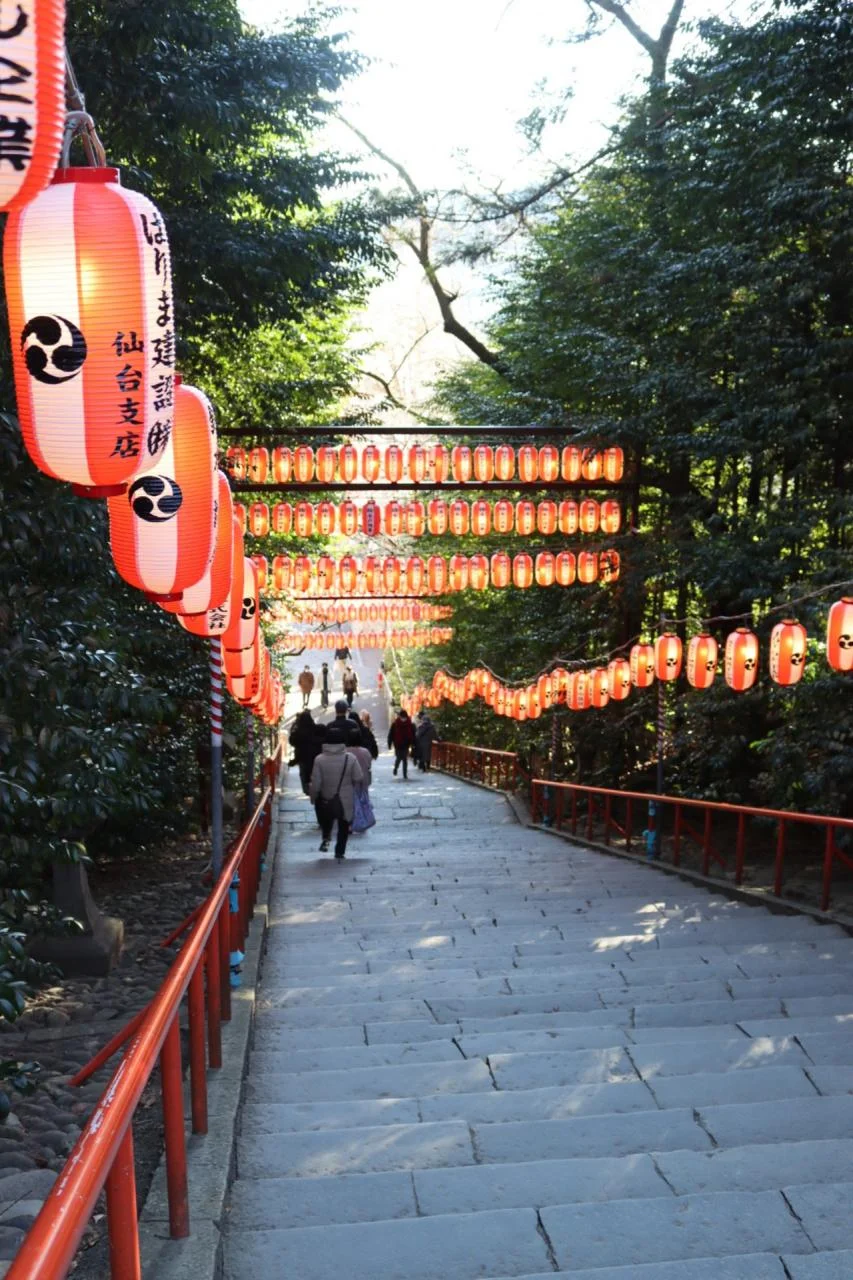
Climbing up and down those massive stone steps, walking under the brightly lit red lanterns, I really felt the local people’s deep faith and pride in their history.
This shrine is a definite must-see when Exploring Sendai City’s Temples, Shrines, and Historical Sites.
A Quiet, Grand Finish at Sendai Toshogu
Sendai Toshogu
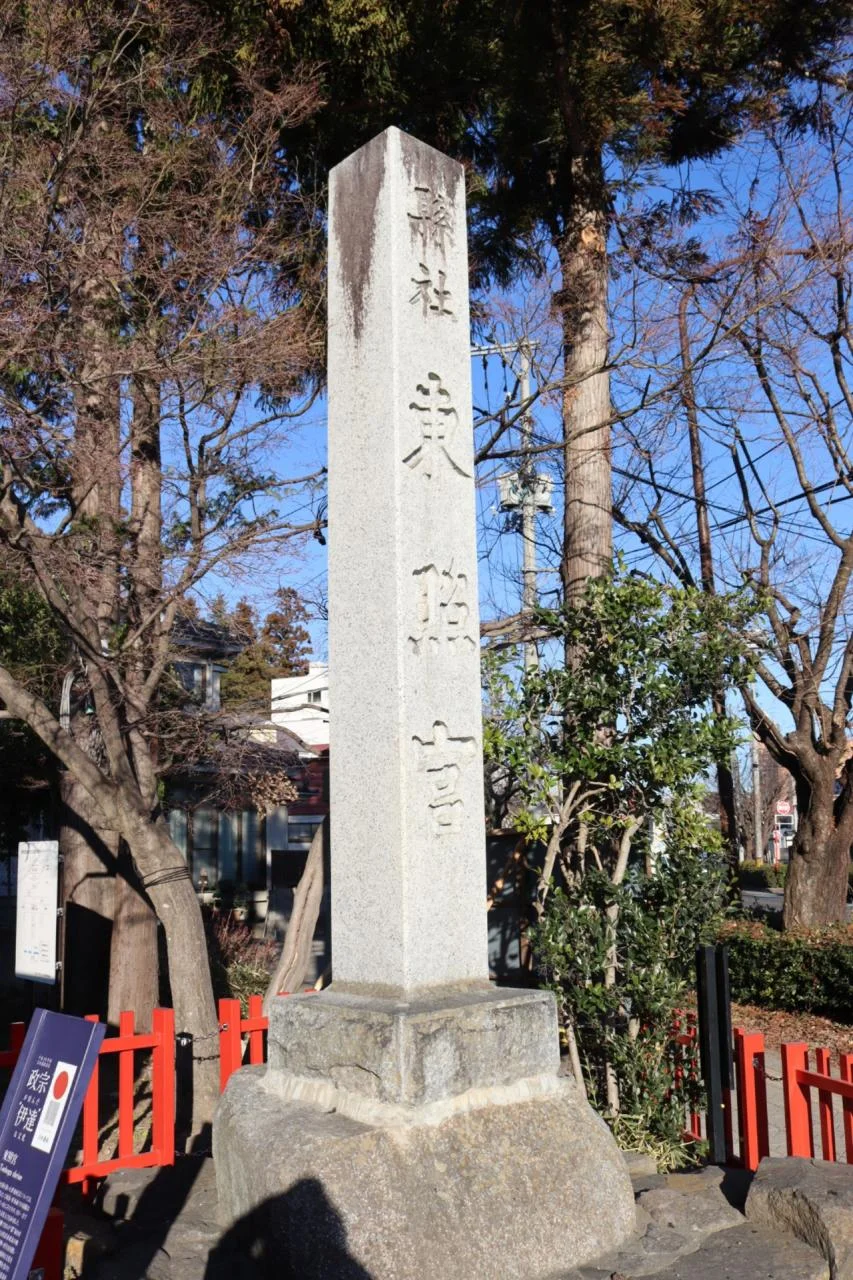
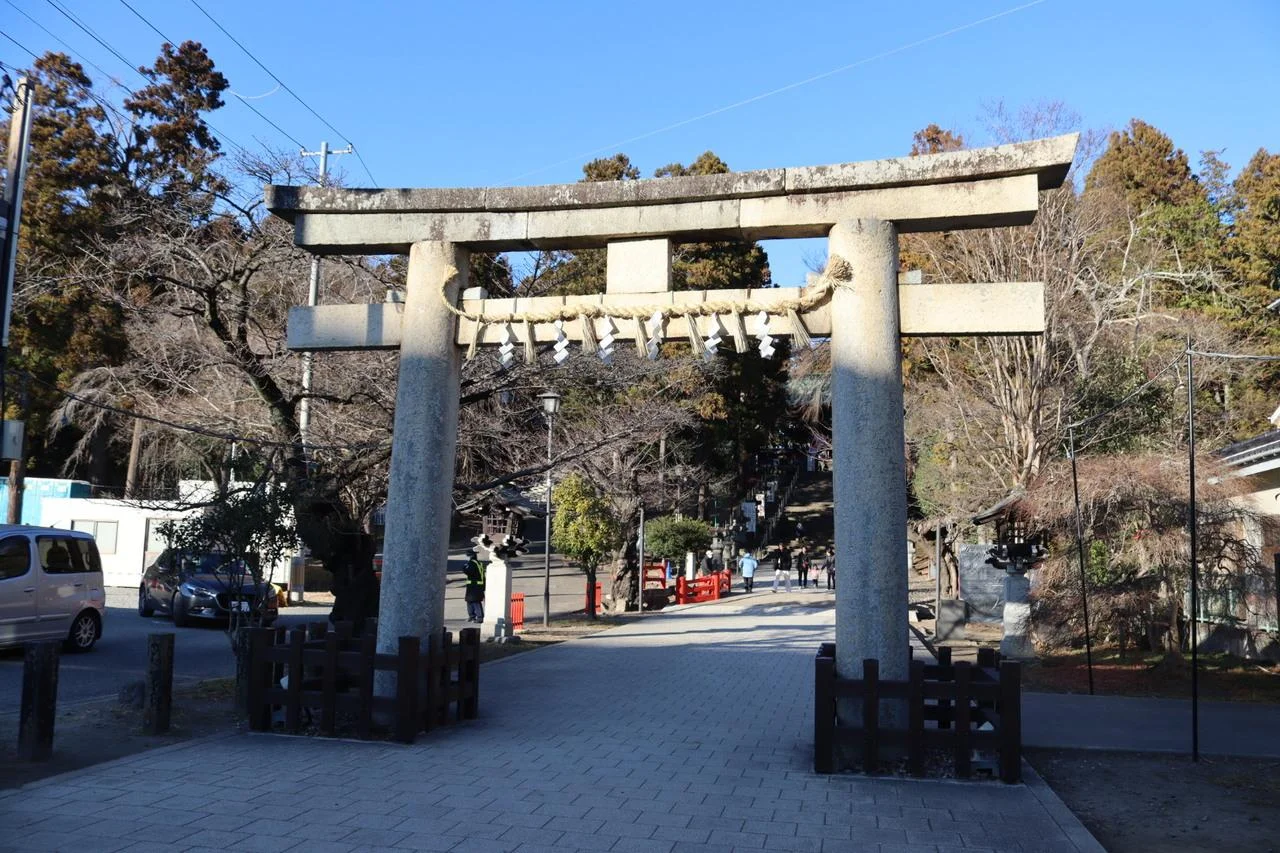
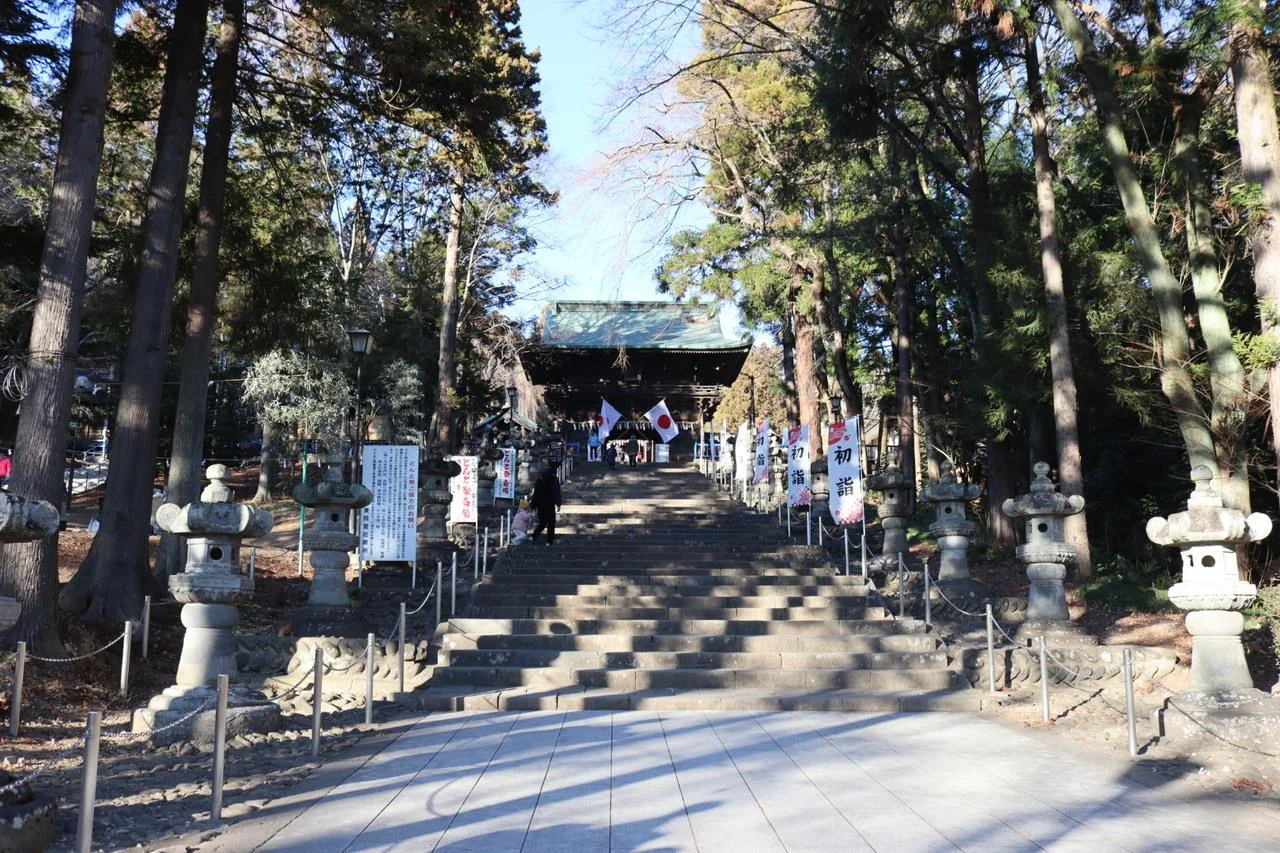
Our final destination was the Sendai Toshogu, welcomed by its impressive row of massive stone lanterns.
We had a bit of a rough time getting into the car park because the entrance was so congested, but once we were standing in front of the shrine, the quiet, sacred atmosphere made the effort totally worthwhile.
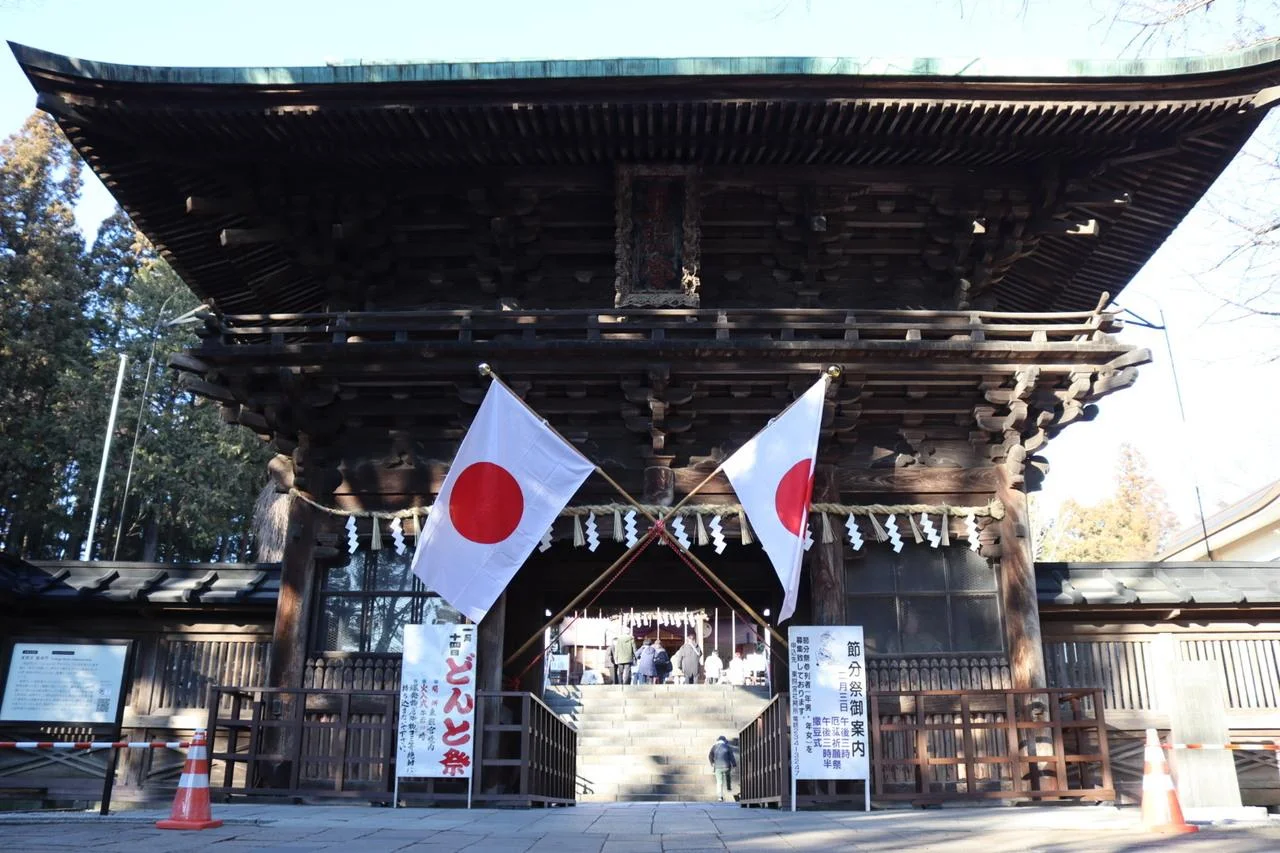
The colossal Zuishinmon gate, which we reached after climbing the steep stone steps, was magnificent; you could really feel the history embedded in the aged timber.
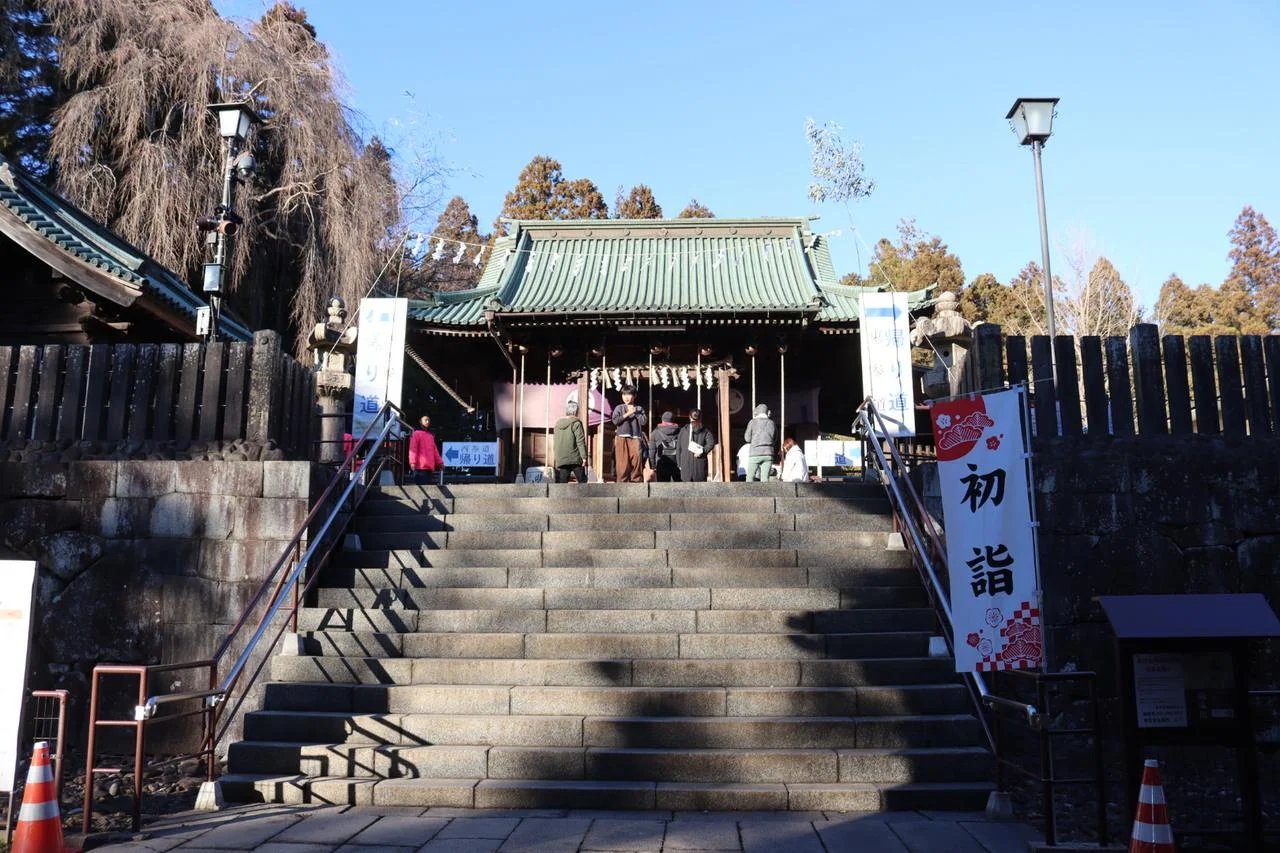
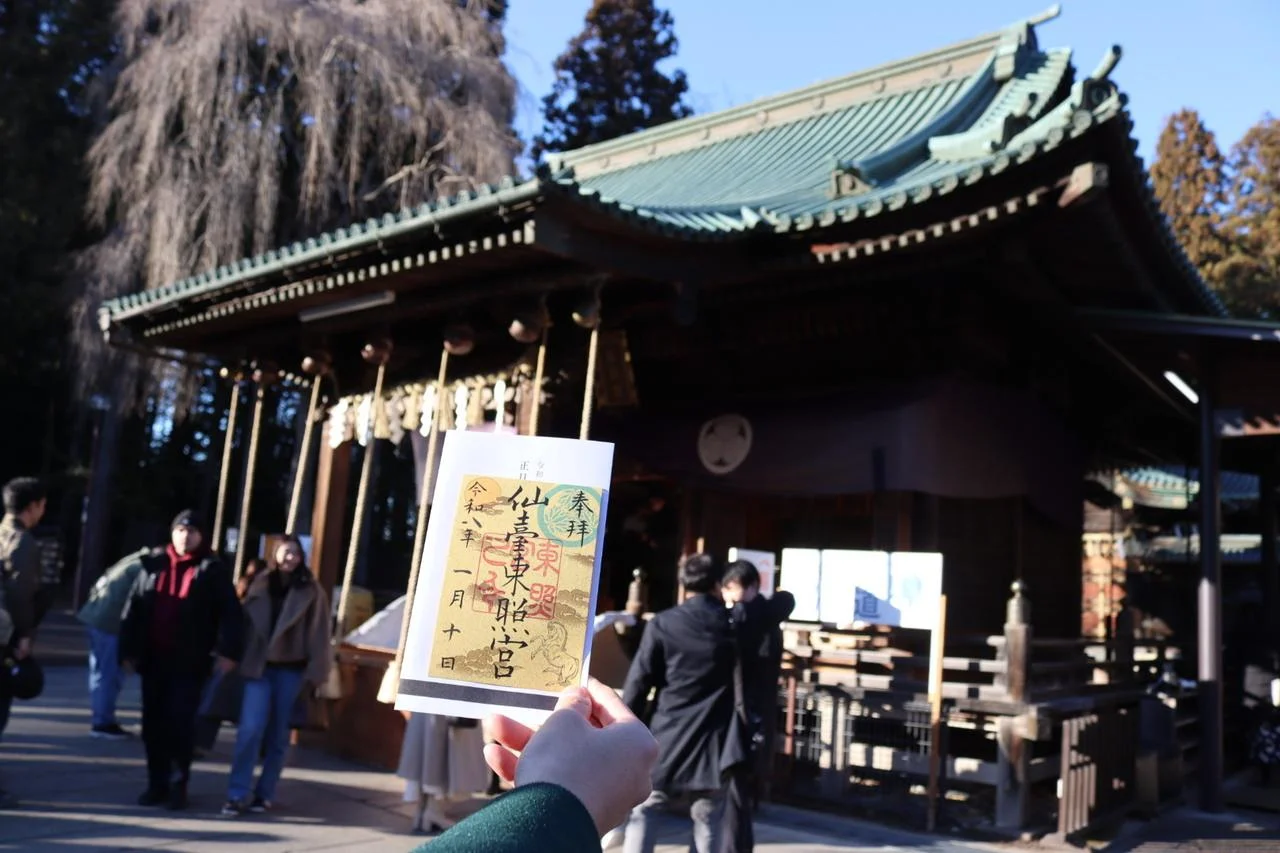
After offering our prayers at the Karamon (Chinese Gate) and receiving the limited-edition New Year Goshuin stamp, our ambitious day of Exploring Sendai City’s Temples, Shrines, and Historical Sites finally felt complete.
Reflecting on the historical significance—how the Date clan built such an opulent shrine for the Tokugawa shogunate—was a very thoughtful way to wind down the evening in Sendai.
If you’re interested in Tokugawa or Date history, this is definitely the spot to include when Exploring Sendai City’s Temples, Shrines, and Historical Sites.
🌍 View in other languages
https://matotour.com/?p=5632
https://matotour.com/?p=5630
https://matotour.com/?p=5631
https://matotour.com/?p=5629
https://matotour.com/?p=5625
https://matotour.com/?p=5633