- 🇰🇷 이 포스팅은 한국어로 작성된 후기를 번역기를 통해 번역하였으니 오역이 있을 수 있습니다.
- 🇺🇸 This post was written in Korean and machine-translated, so there may be translation errors.
- 🇯🇵 この記事は韓国語で書かれ、機械翻訳されたため、誤訳の可能性があります。
- 🇹🇭 โพสต์นี้เขียนเป็นภาษาเกาหลีและแปลโดยเครื่องมือแปลภาษา อาจมีข้อผิดพลาดในการแปล
- 🇨🇳 本文用韩语撰写并通过机器翻译,可能存在误译。
- 🇹🇼 本文以韓語撰寫並經機器翻譯,可能會有翻譯錯誤。
- 🇭🇰 本文原以韓文撰寫,經由翻譯軟體翻譯,內容可能會有偏差。
- 🇩🇪 Dieser Beitrag wurde auf Koreanisch verfasst und maschinell übersetzt; Fehler sind möglich.
Shirakawa-go Gassho-zukuri Winter Snow Village Trip: Unforgettable Stay in a Traditional Japanese Village
When many people search for Shirakawa-go Gassho-zukuri Winter Snow Village Trip, they often worry about:
✔️ Are the famous villages too crowded and touristy?
✔️ Is it a massive hassle getting around using public transport?
✔️ Will staying in a 300-year-old house be freezing cold or uncomfortable?
To sum up, finding that perfect balance between authentic culture and a comfortable, peaceful retreat can be tricky.
The place that satisfied everything was Shirakawa-go Gassho-zukuri Winter Snow Village Trip!!
Let me show you why.
📍 Location: Ai-no-kura, Nanto, Toyama 939-1914, Japan
🕒 Hours: Check-in: 3:00 PM / Check-out: 10:00 AM.
Ainokura Folk Museum: 8:30 AM – 5:00 PM.
World Heritage Bus (Kaizuki): Runs 5-6 times daily (Must check timetable).
Dinner: 6:00 PM / Breakfast: 7:30 AM (Varies by inn).
📌 Why famous: A designated World Heritage site, famous for its cluster of Gassho-zukuri (praying hands) houses, and being far less commercialised than the main Shirakawa-go village.
🗺️ Google Map:
📌 Features: Guests can stay overnight in an authentic Gassho-zukuri farmhouse and experience traditional irori (hearth) dining.
📌 Benefit: Allows for a peaceful, deep cultural immersion in a serene, snow-covered landscape, ideal for a genuine Shirakawa-go Gassho-zukuri Winter Snow Village Trip experience.
Exploring Ainokura: The Quieter Side of the Gassho-zukuri World
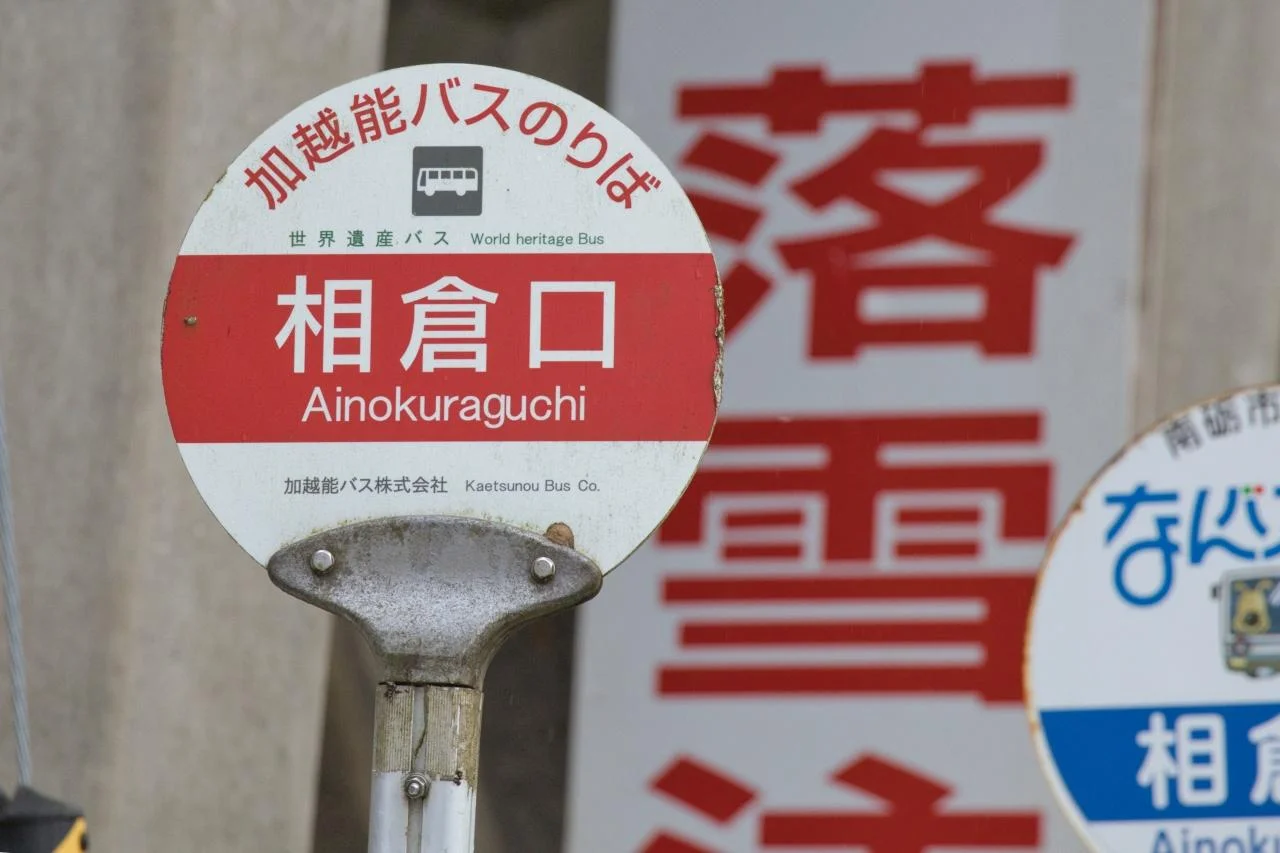
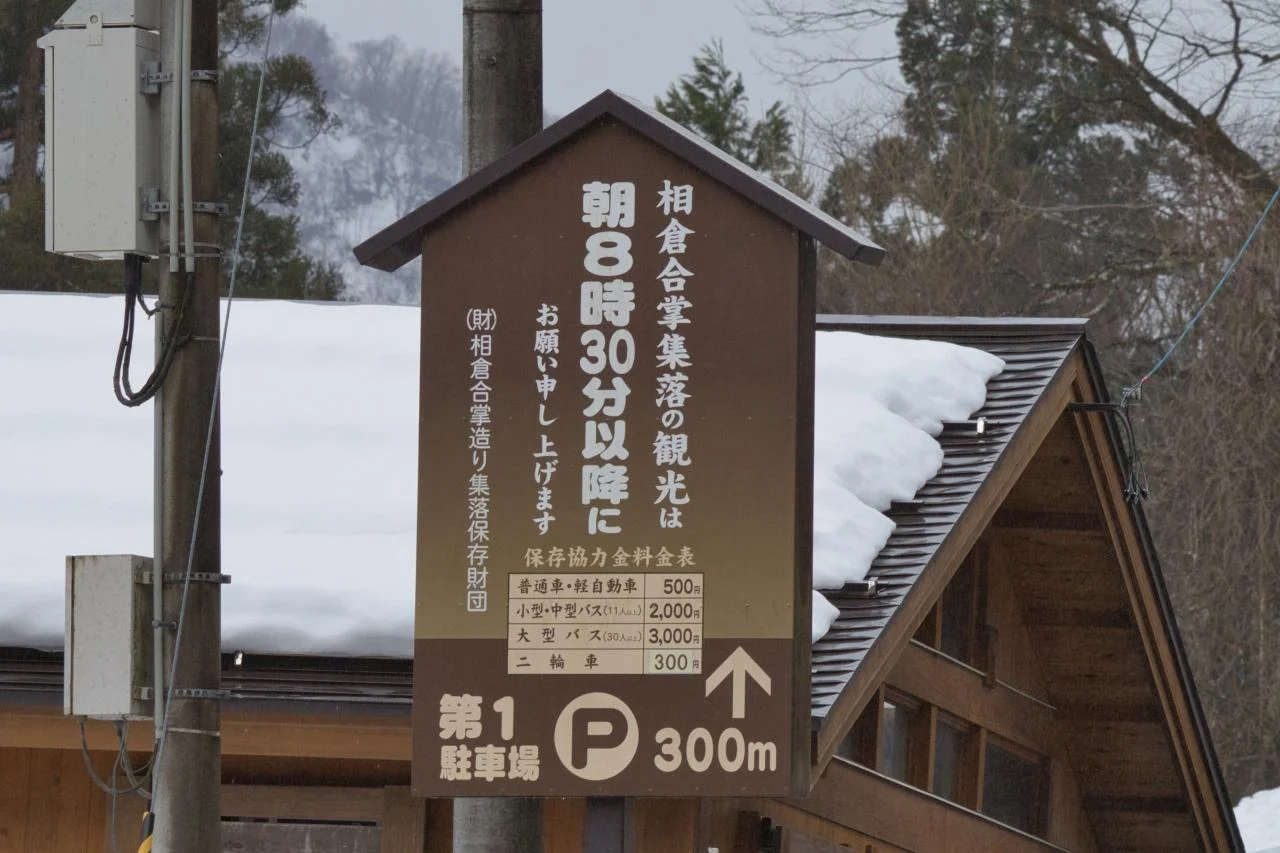
We rocked up at the ‘Ainokuraguchi’ bus stop around 2:35 PM.
Mate, the village was so incredibly quiet and peaceful, only three groups, including myself, got off the bus.
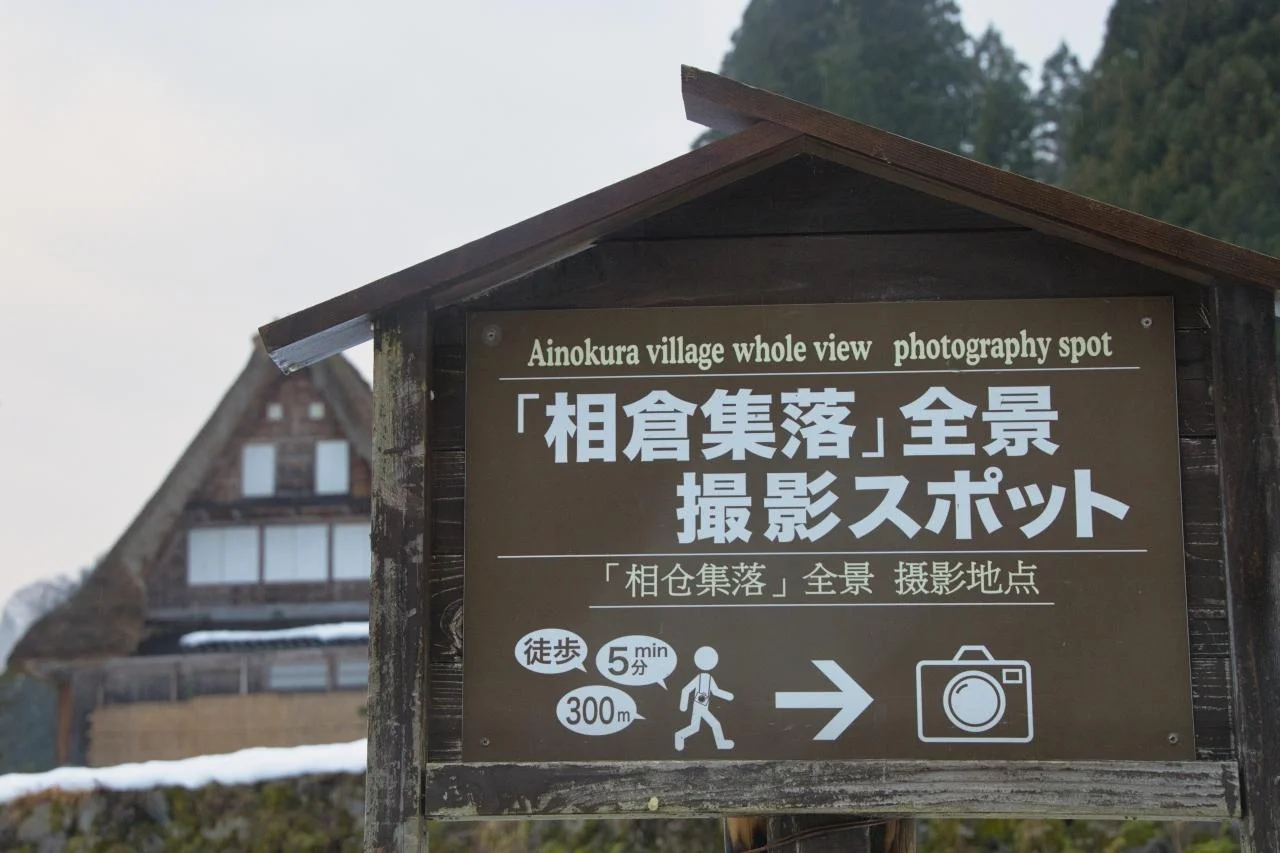
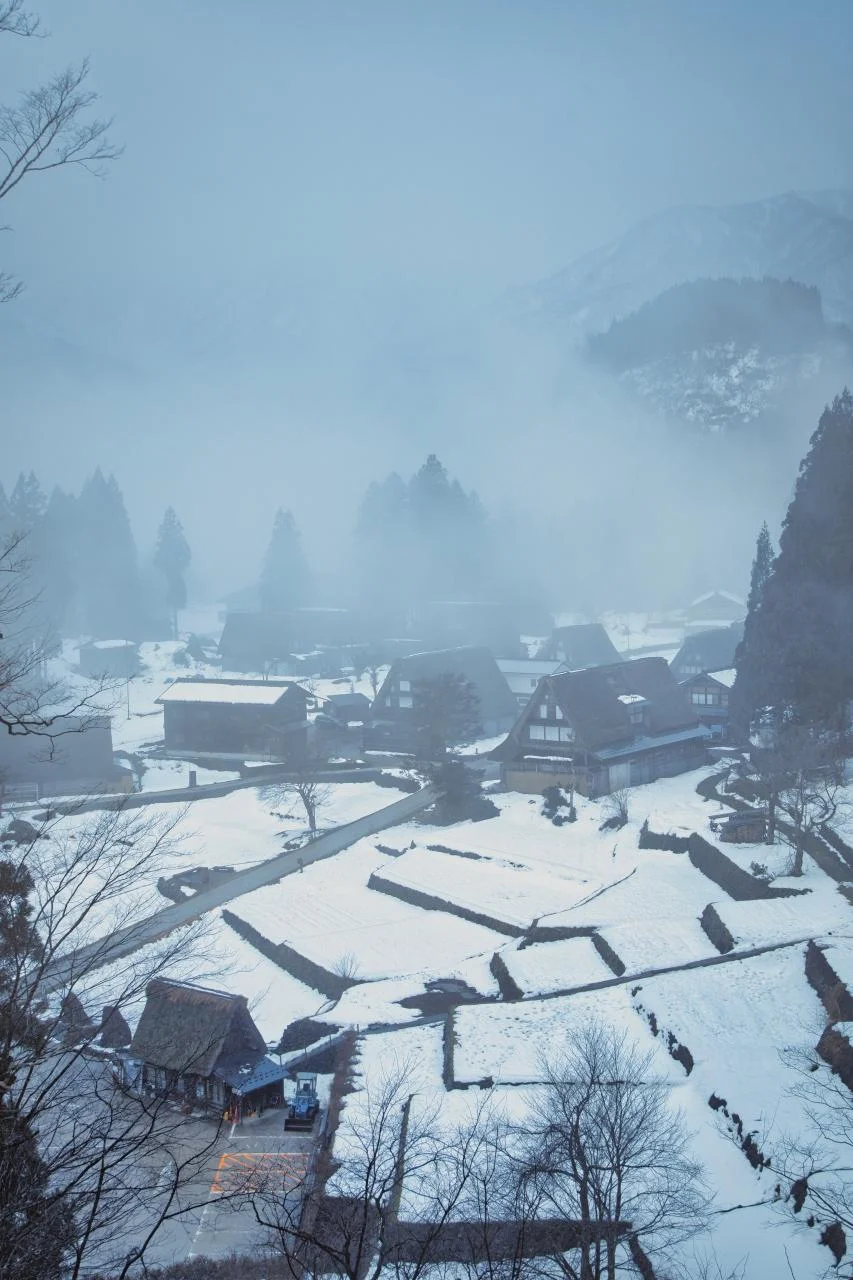
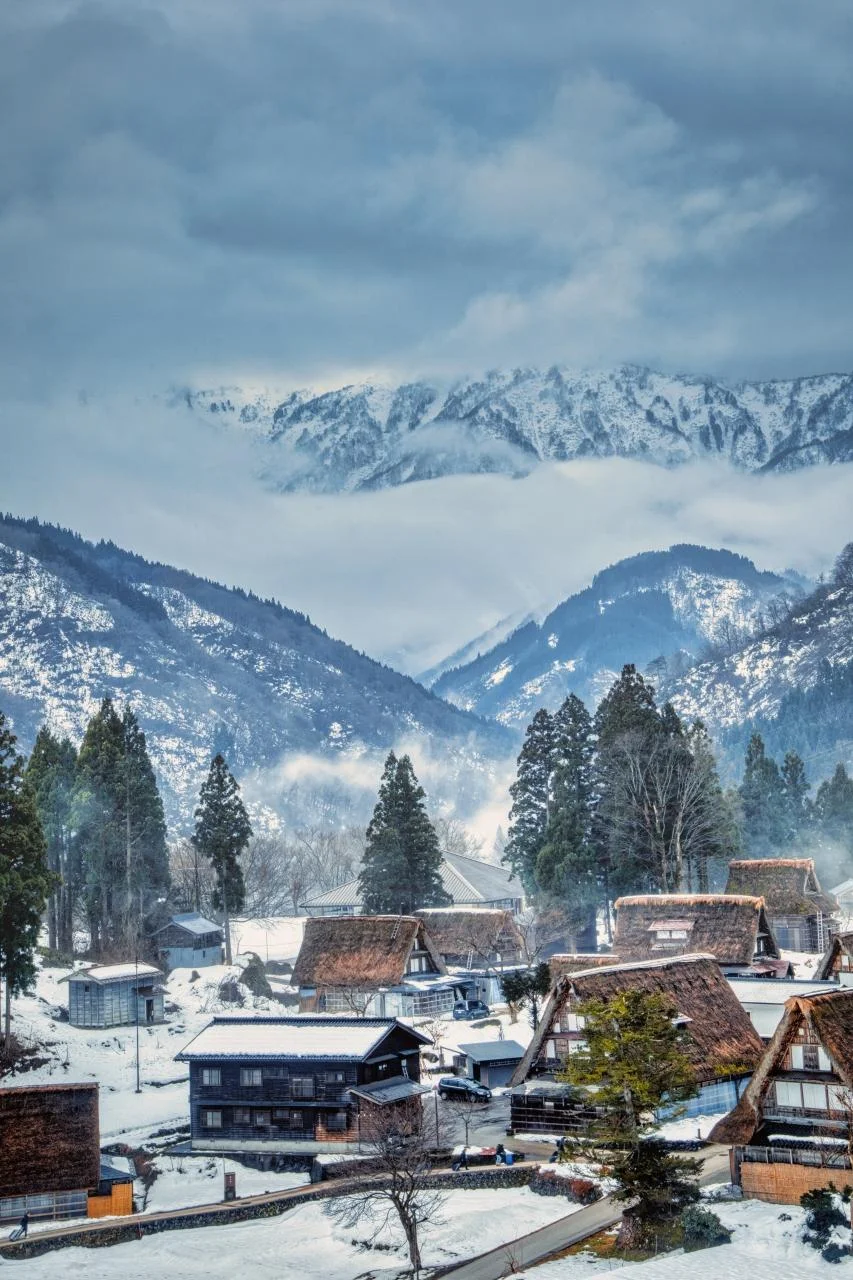
Before checking in, I made a beeline for the viewpoint to take in the whole village.
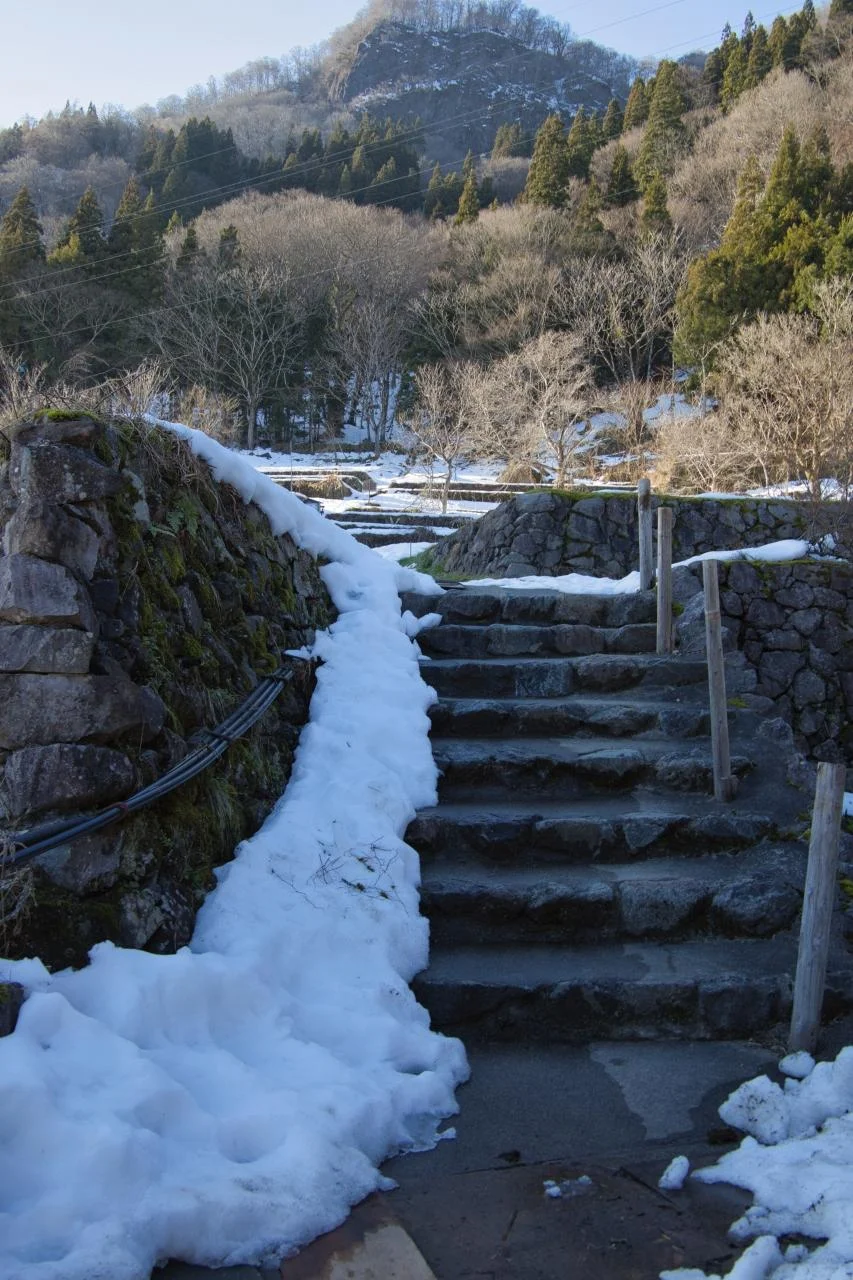
It was pretty dodgy climbing up there, as the snow and ice had completely frozen the path, making it super slippery.
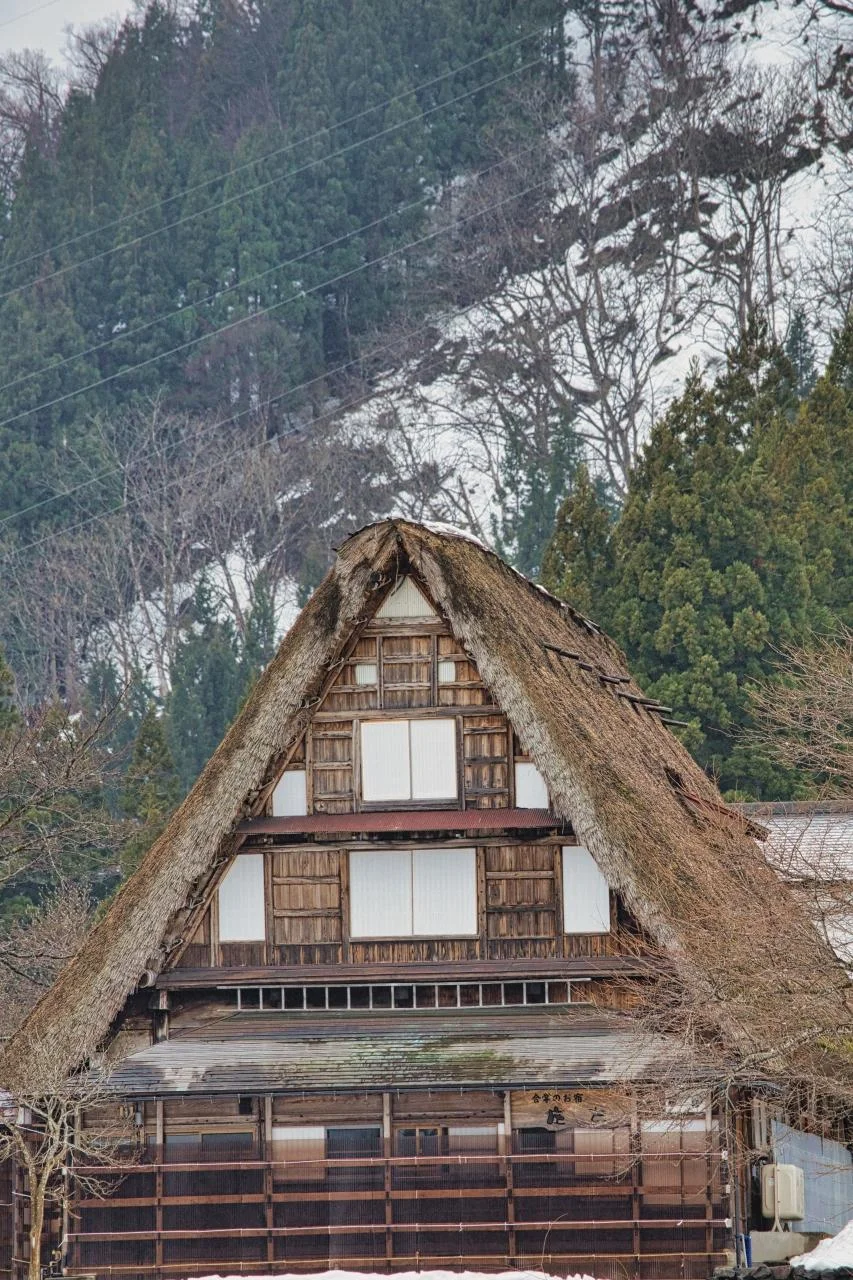
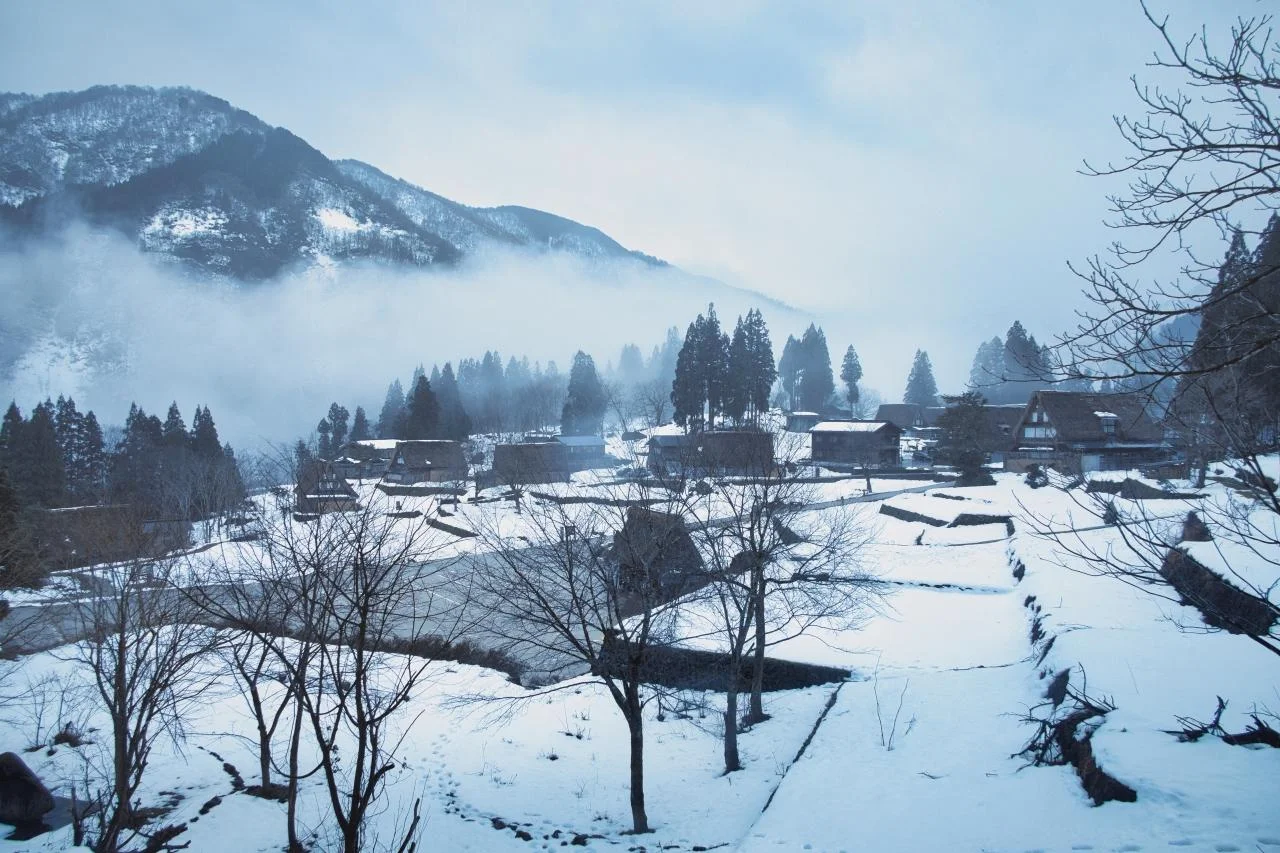
After about a five-minute hike up that steep slope, the sight of all those tightly packed Gassho-zukuri houses below was just magic and felt so incredibly welcoming.
I was so stoked by the beauty here that I hiked up and down that hill three times during my stay, honestly making my legs absolutely hammered by the end of it 🙂
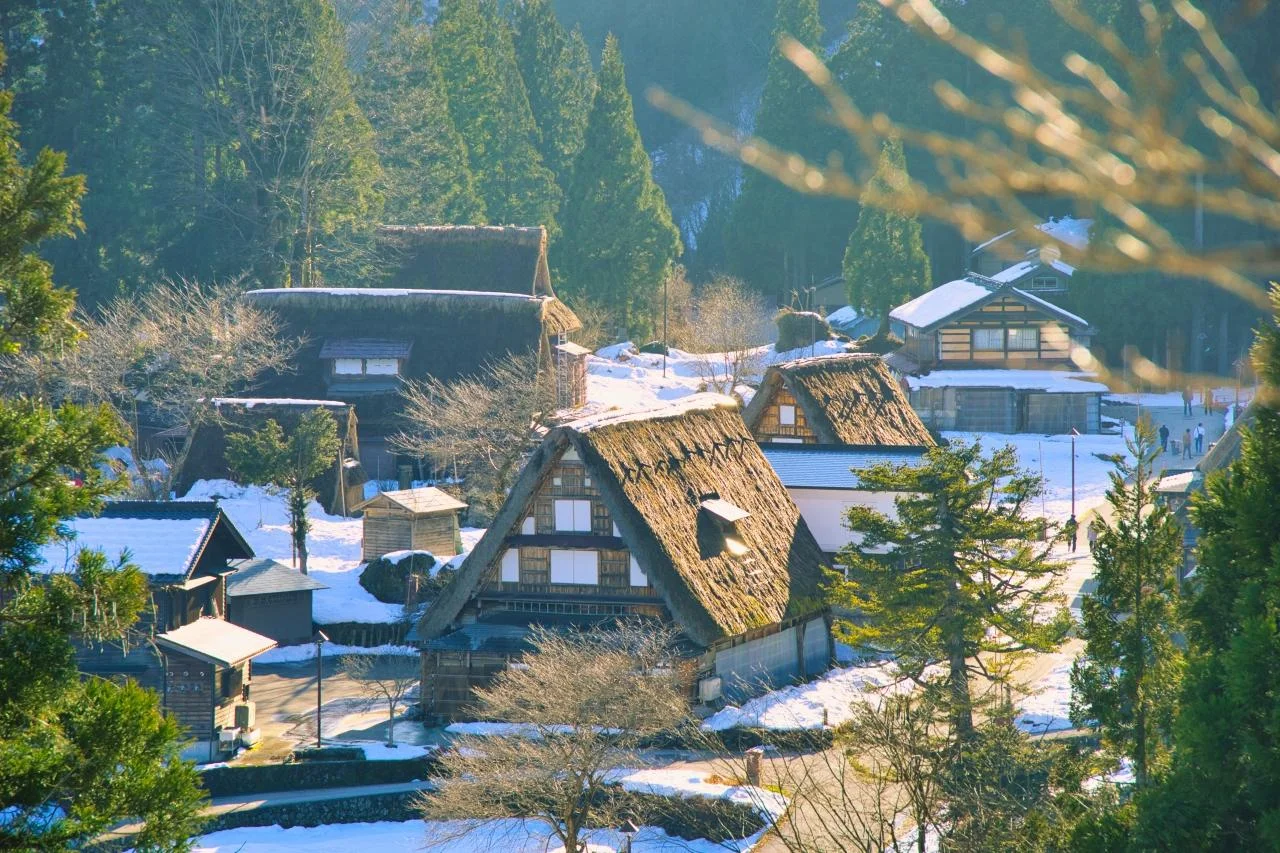
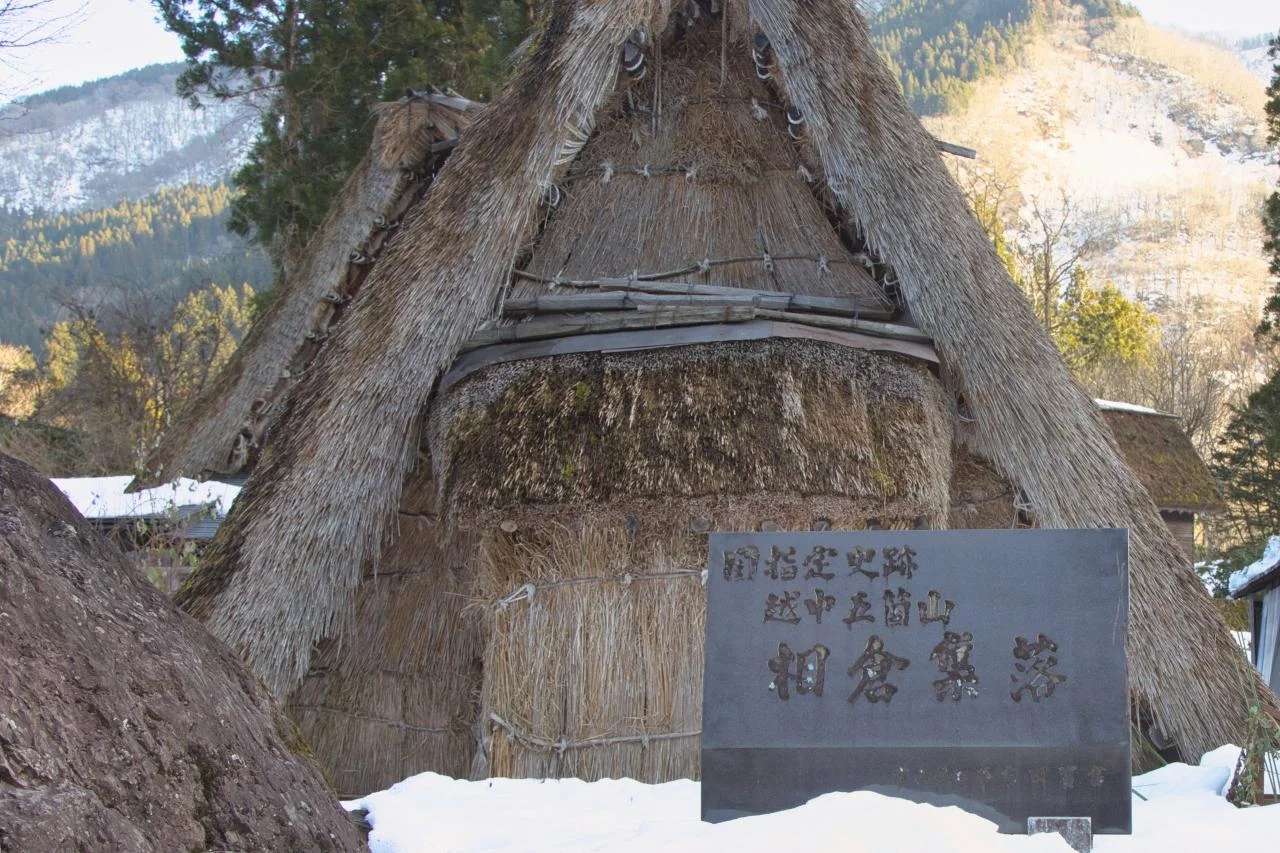
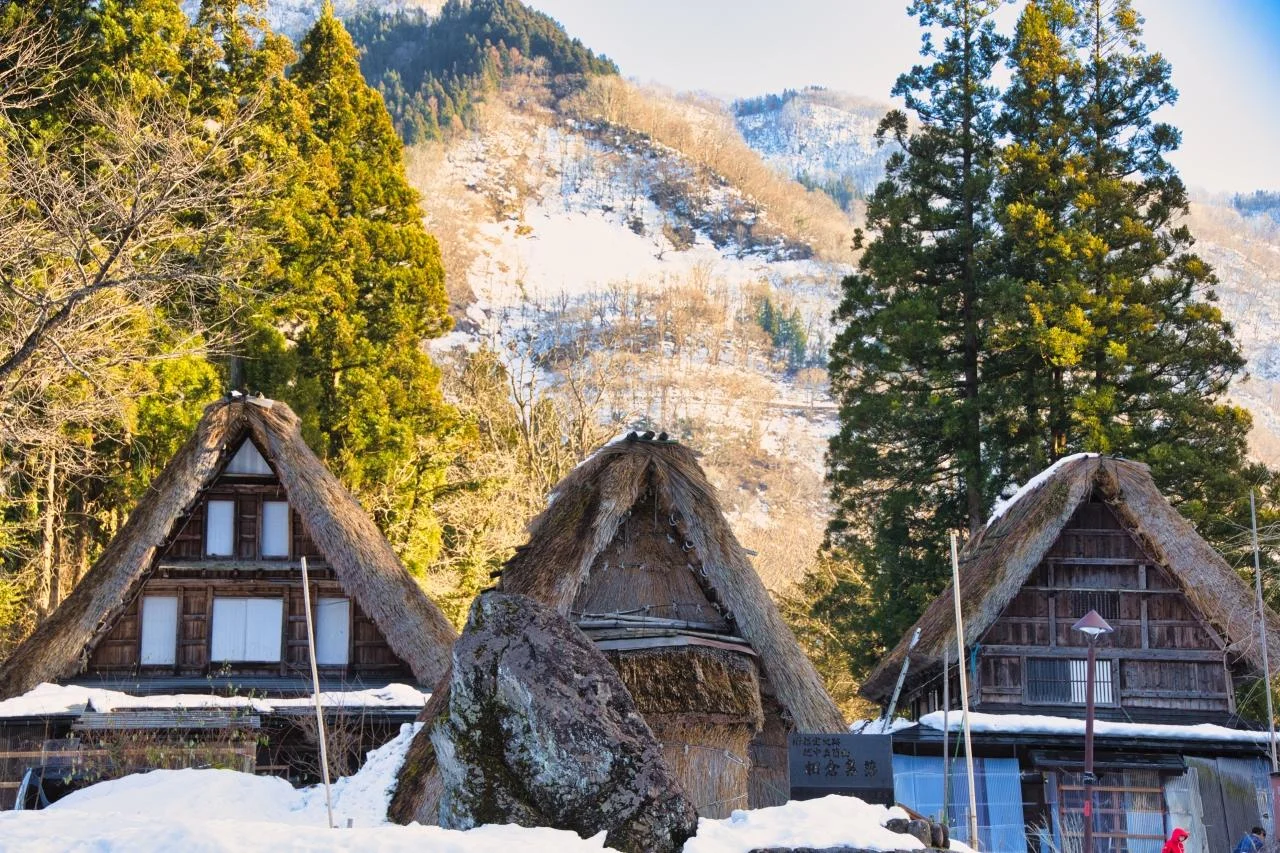
Old Tradition Meets Modern Life
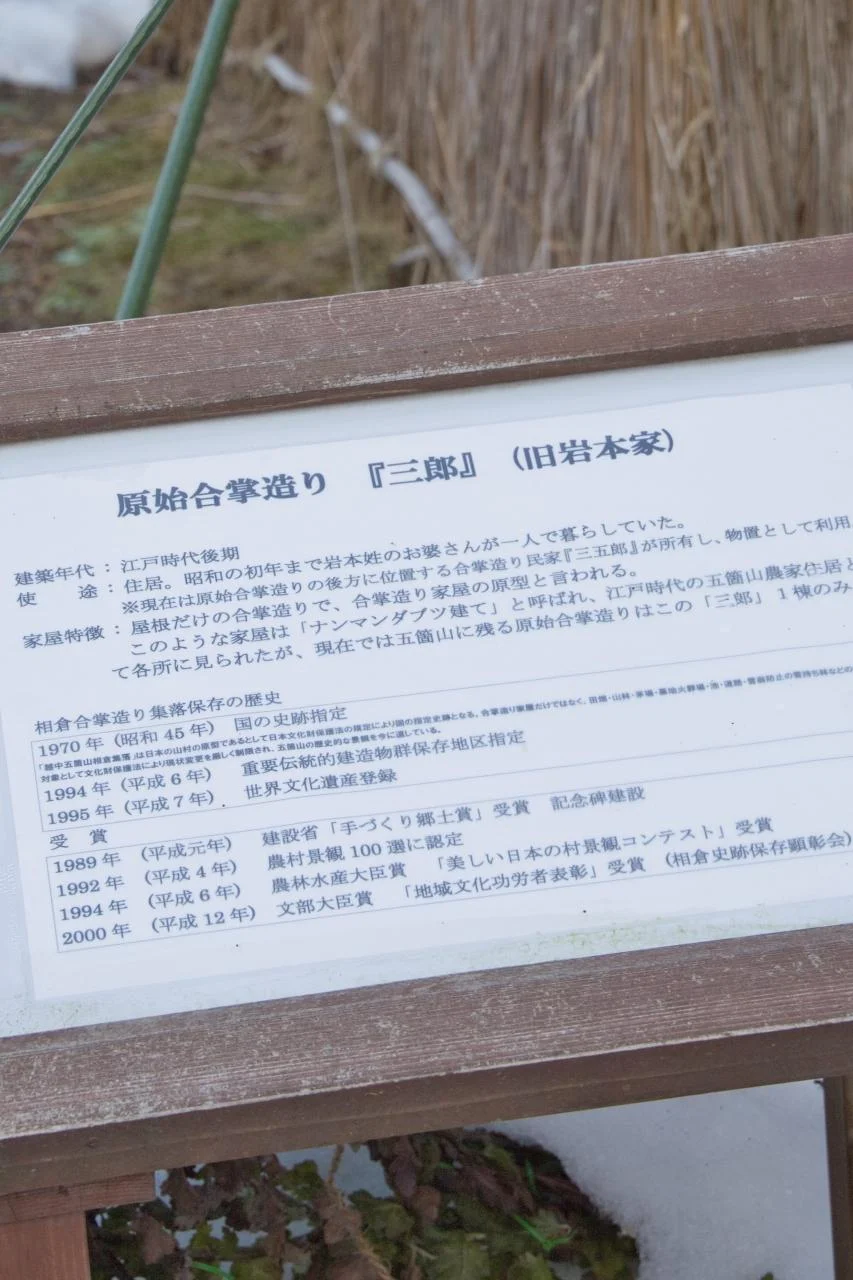
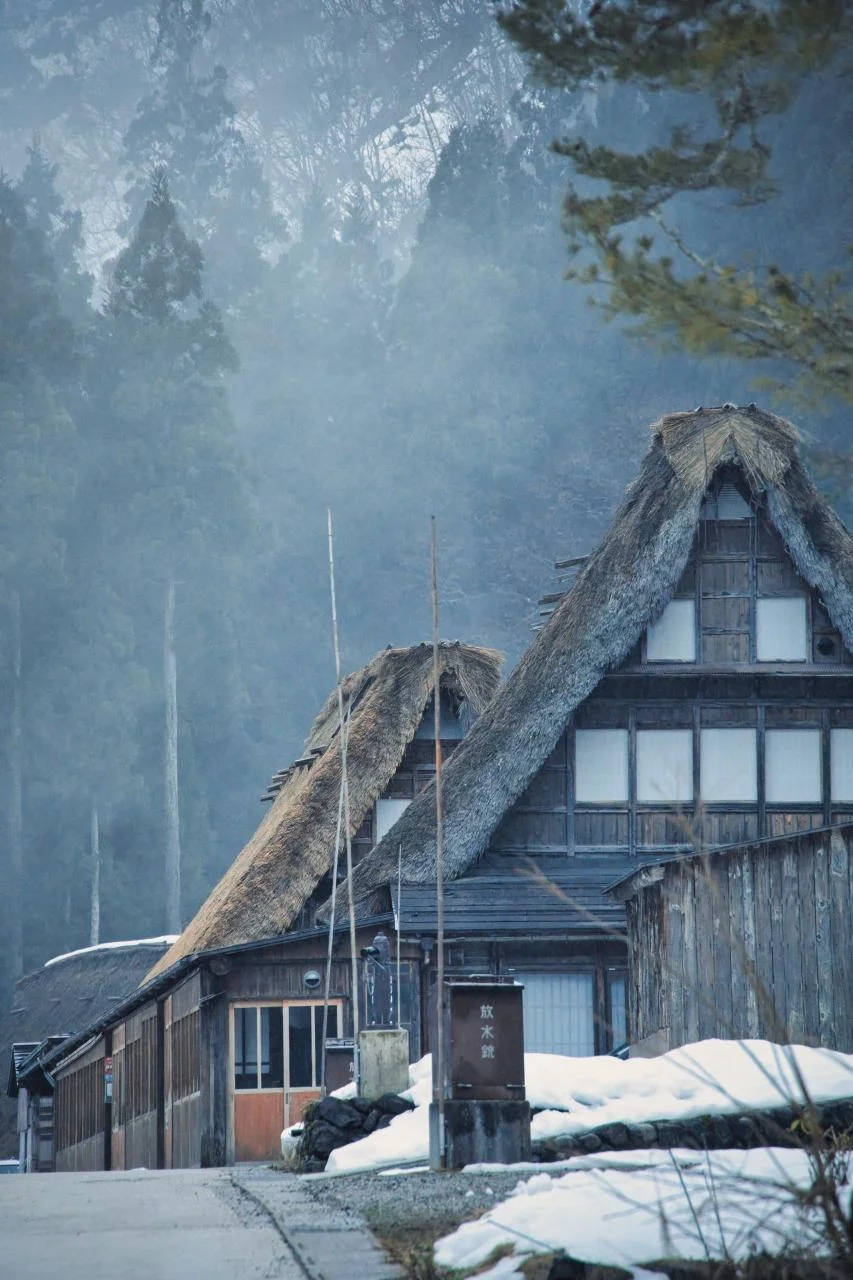
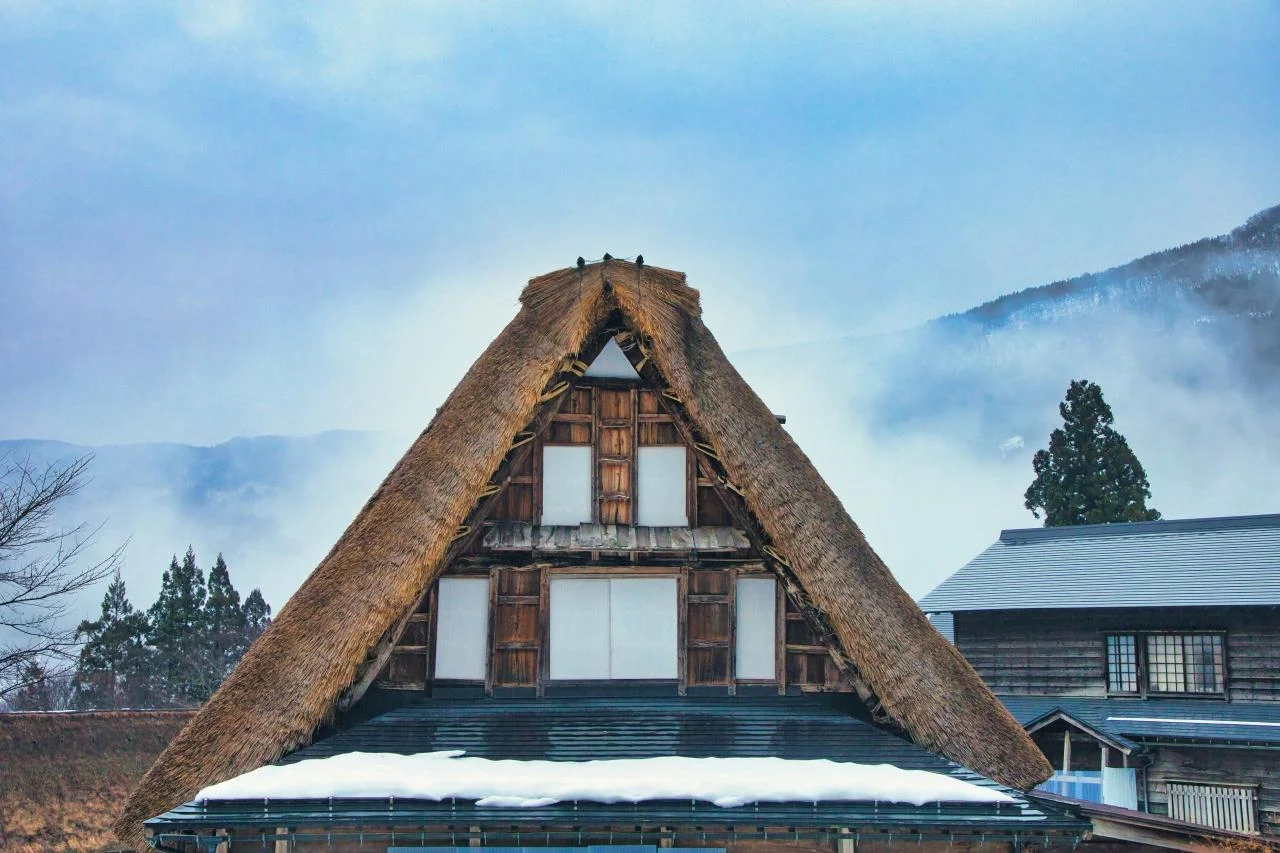
Wandering through the village, I spotted what they call the ‘Primitive Gassho-zukuri’ house, apparently the original design.
It looked like a tiny tent with only the roof touching the ground, and it really brought home how tough these structures were built to withstand the harsh environment.
It was fascinating comparing it to the later, larger, and more elaborate houses; you could see the architectural evolution right before your eyes.
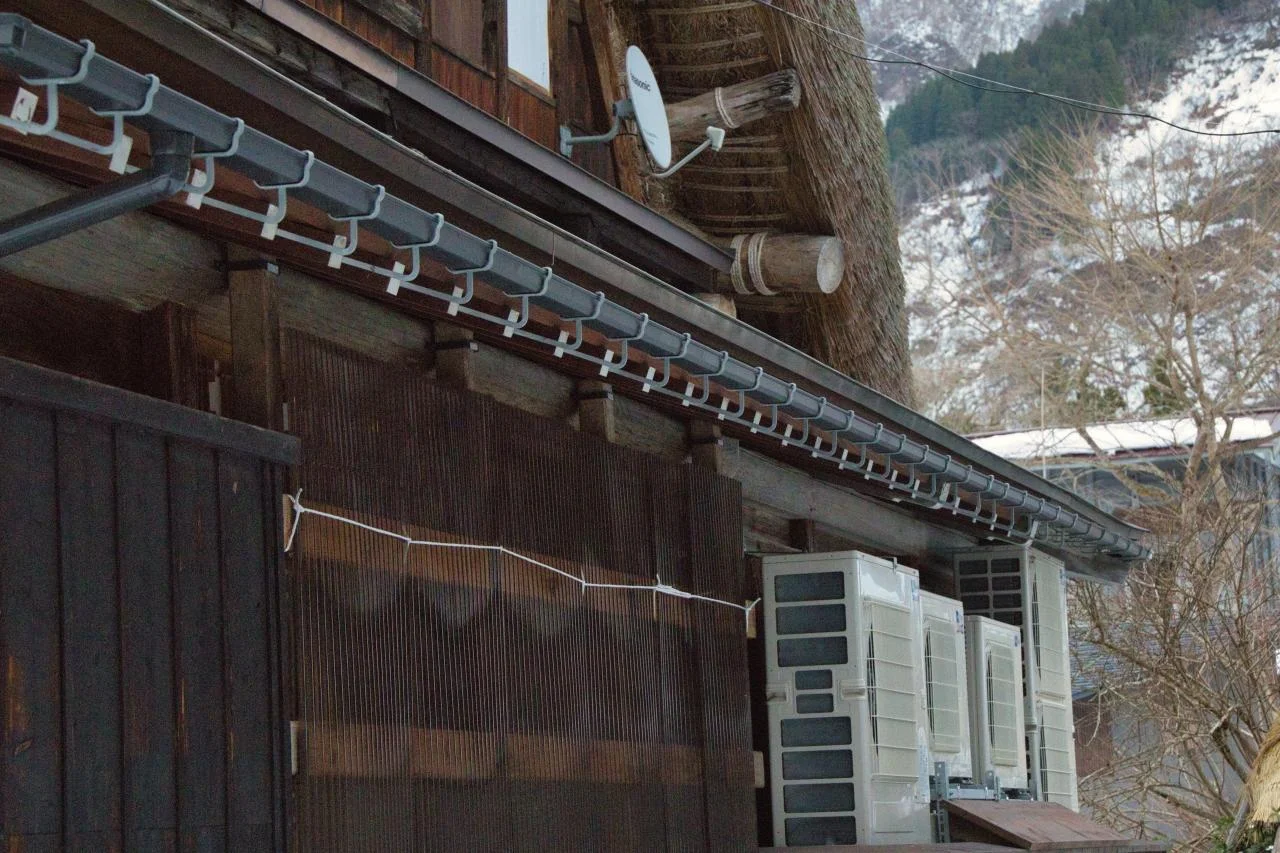
Seeing air conditioner units and satellite dishes fixed onto these centuries-old homes gave me a strange sense of comfort, knowing the residents are still living real, modern lives while preserving their heritage.
Under these sturdy roofs, which haven’t changed in ages, the people here are still carrying on, absolutely resilient.
This commitment to history makes Shirakawa-go Gassho-zukuri Winter Snow Village Trip so special.
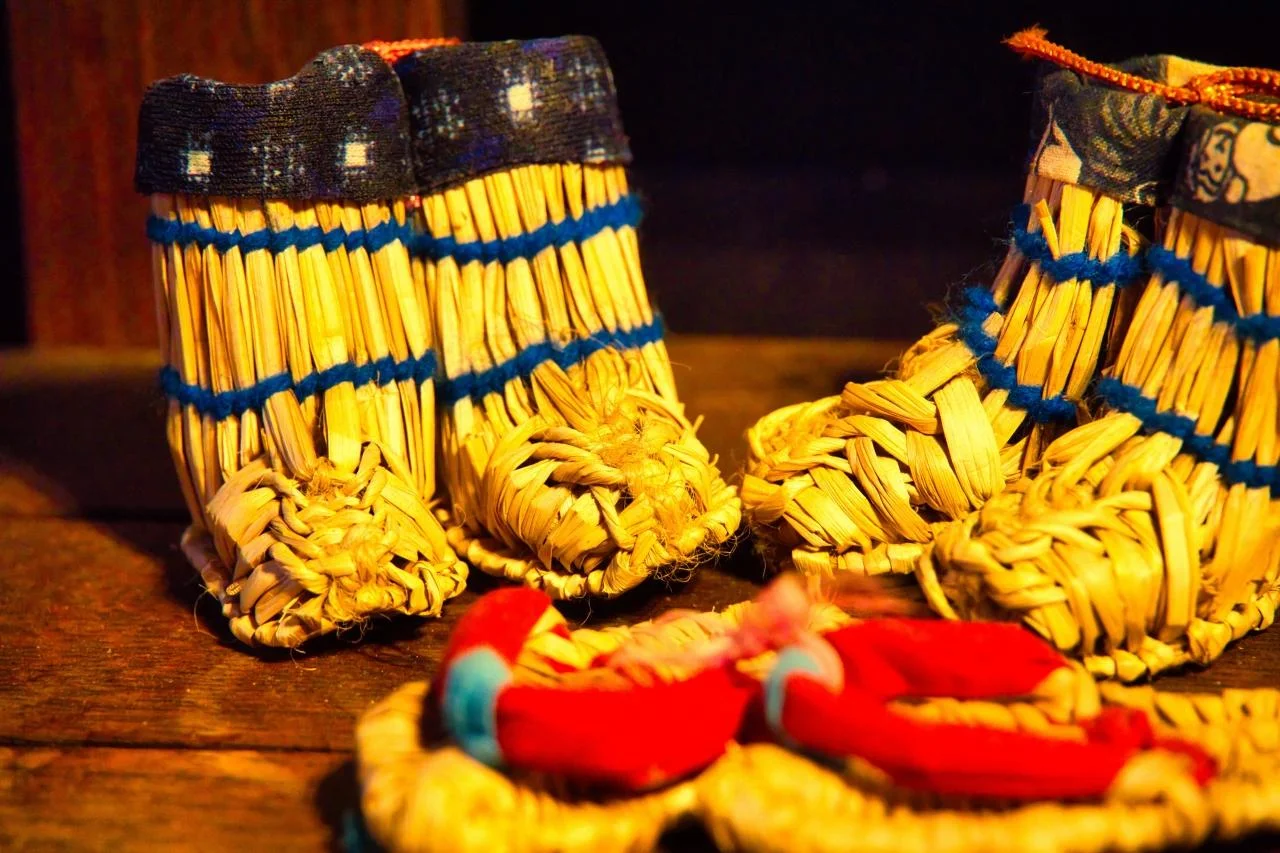
Sleeping in History: The Shoushichi Inn Experience
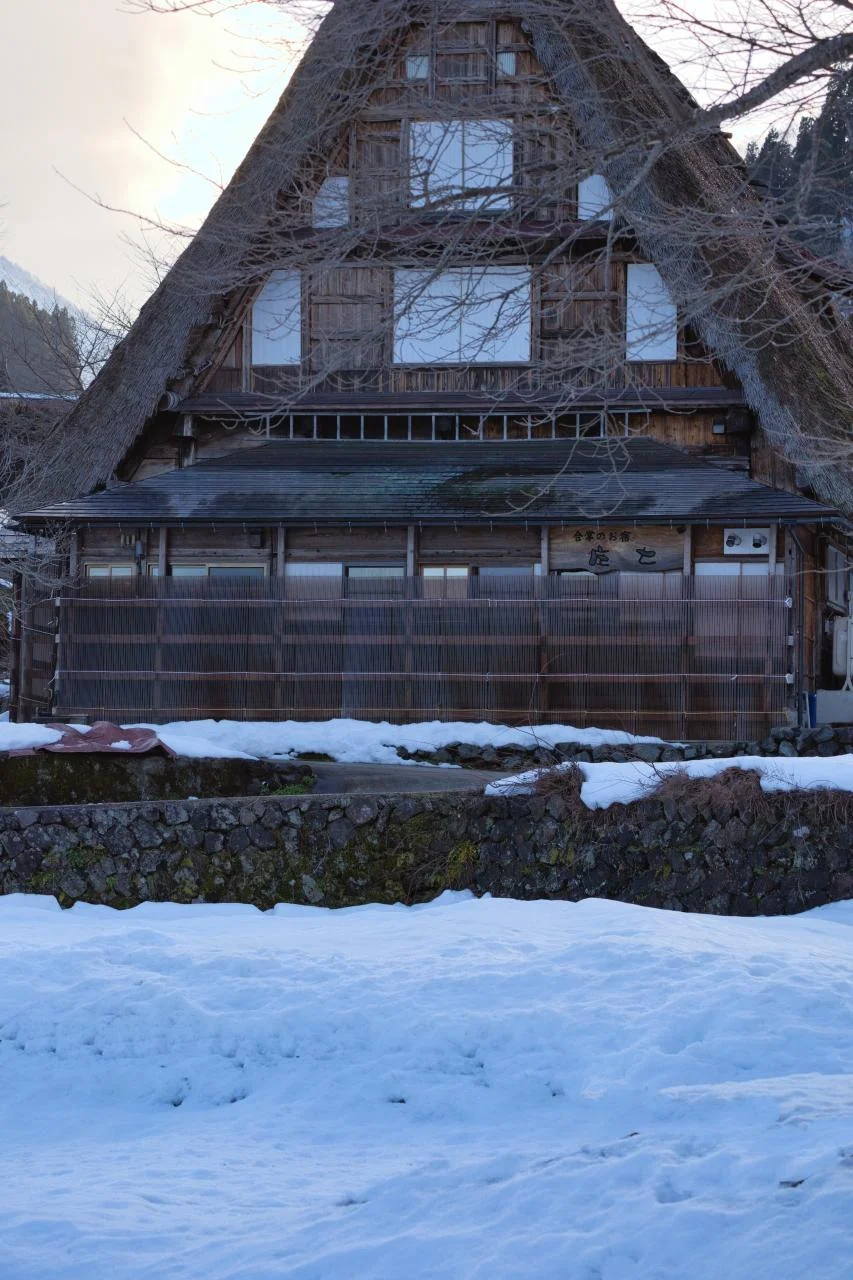
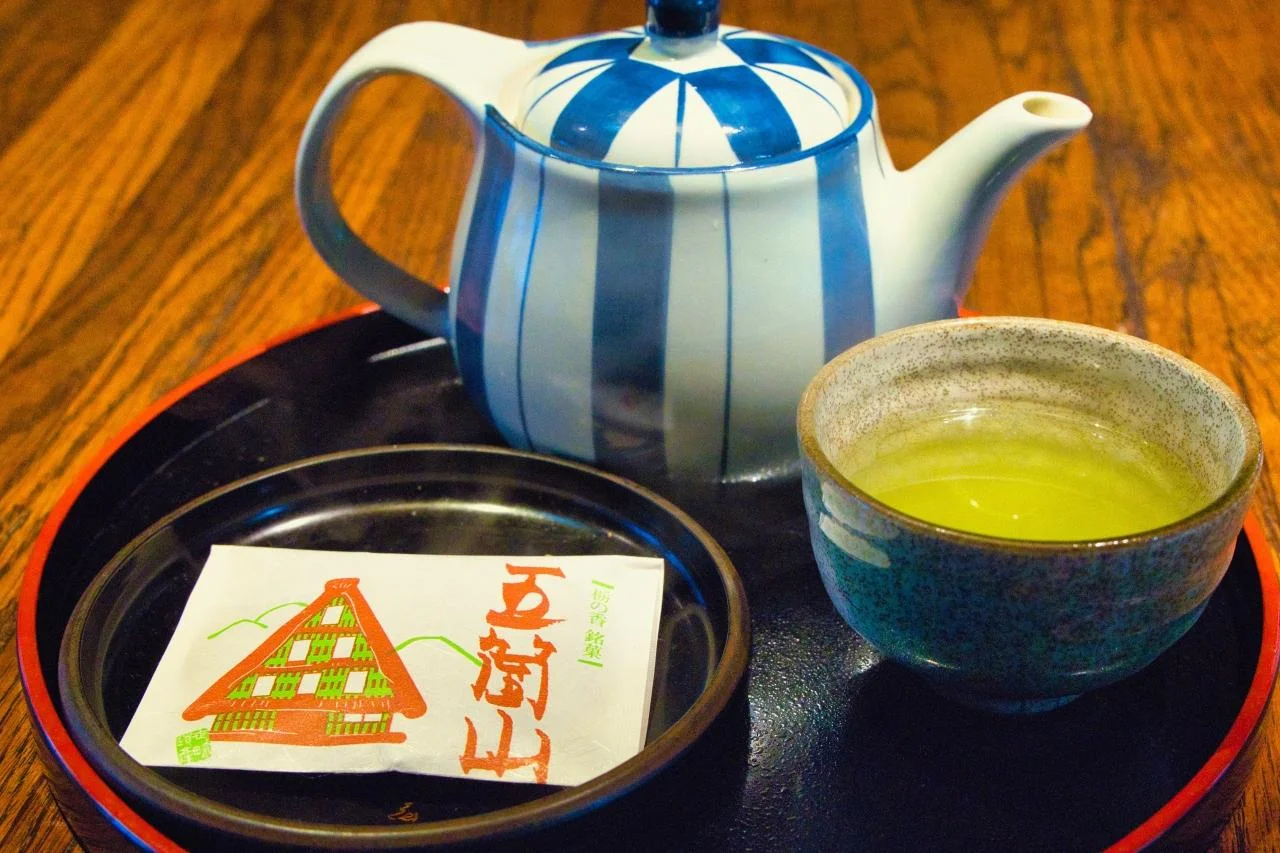
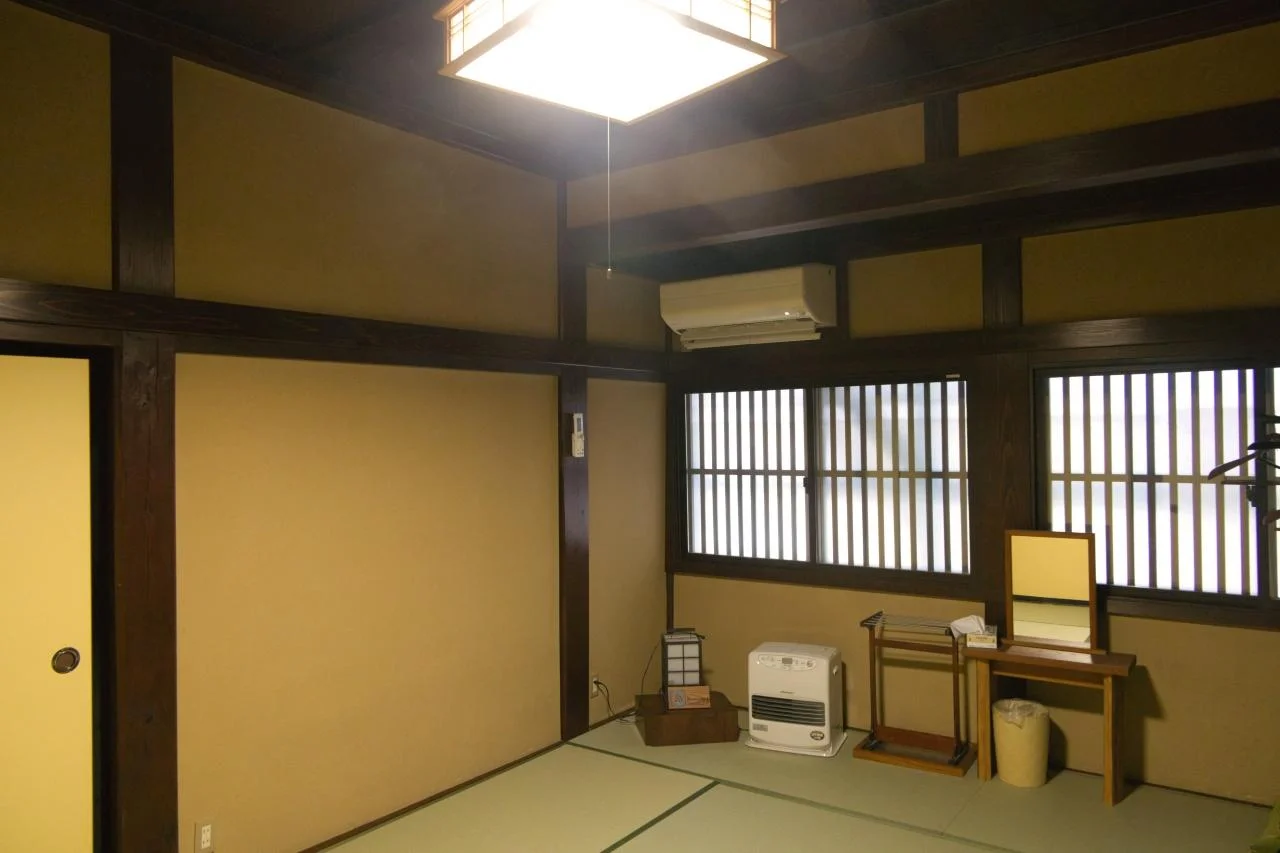
Tonight’s accommodation was ‘Shoushichi’, a gorgeous Gassho-zukuri minshuku that truly captured the spirit of Gokayama.
They only accept two groups per day, and while the exterior is totally traditional, the inside has been beautifully renovated with fantastic modern comforts.
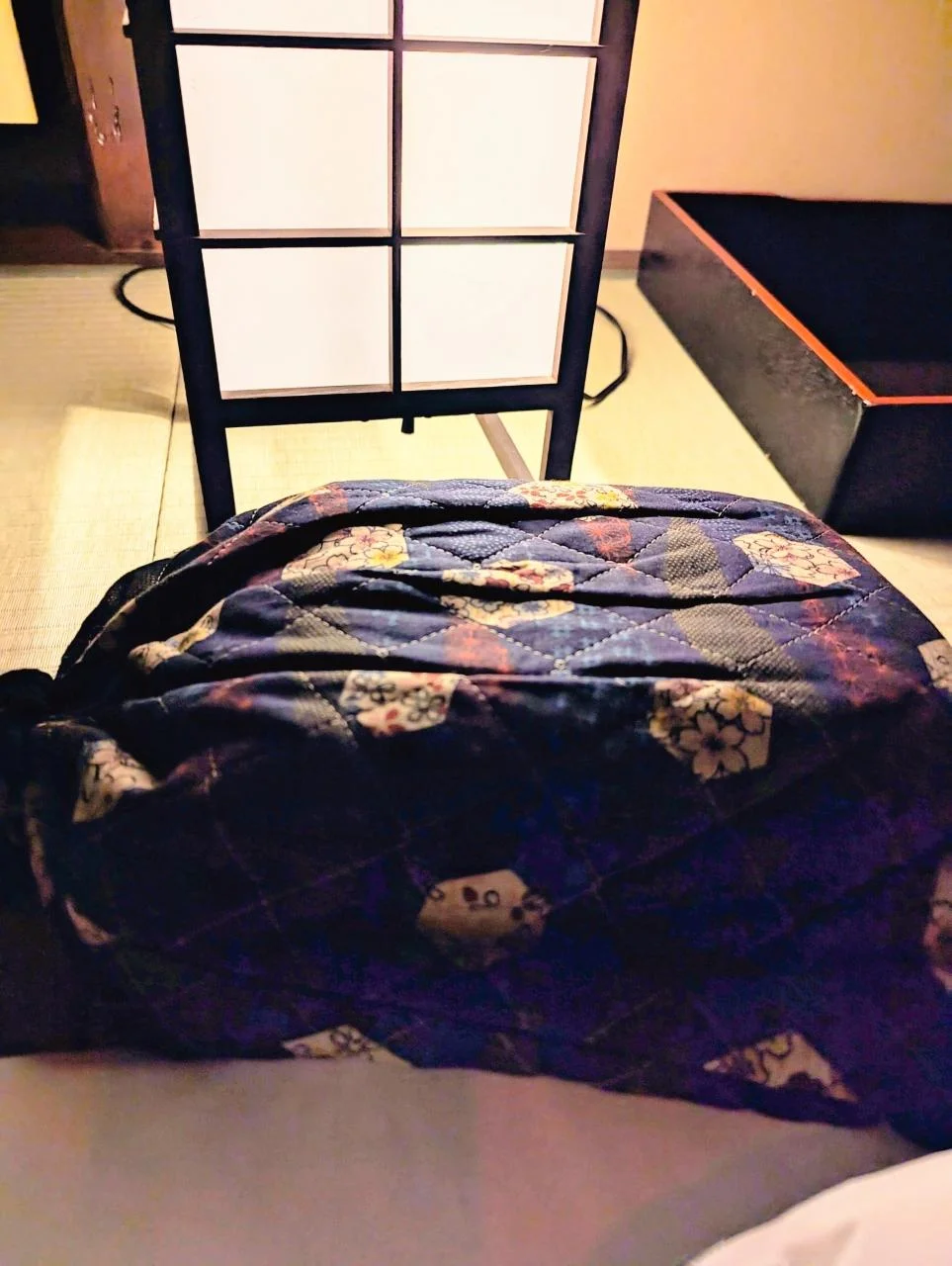
I sprawled out in the huge 10-tatami mat room; the winter air outside was nippy, but the room itself was wonderfully warm.
However, since the rooms are only separated by a single paper door (fusuma), you could hear pretty much everything next door, which made me a bit nervous!
I kept my earphones in late into the night, enjoying the quiet time, feeling like I was the main character in an old Japanese folk tale 🙂
It was a truly unique part of the Shirakawa-go Gassho-zukuri Winter Snow Village Trip.
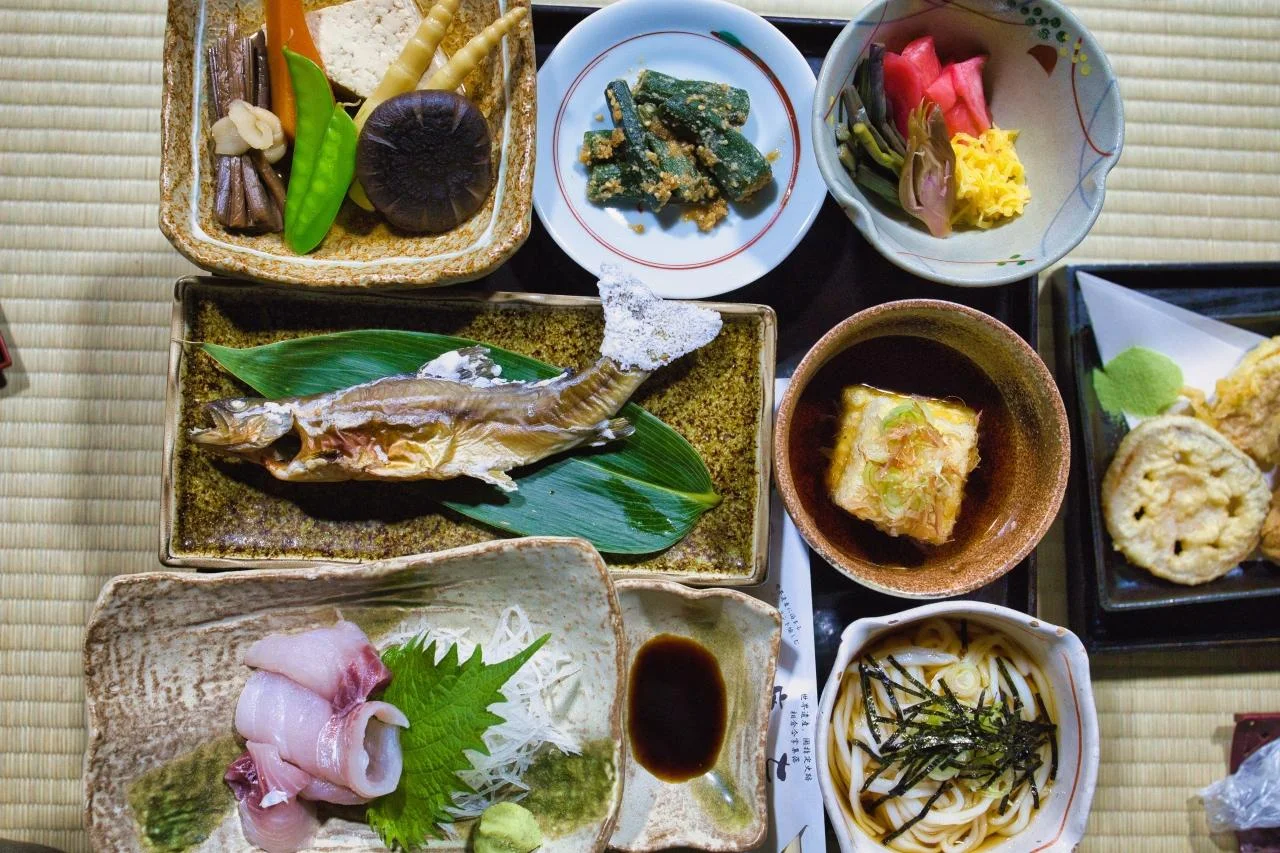
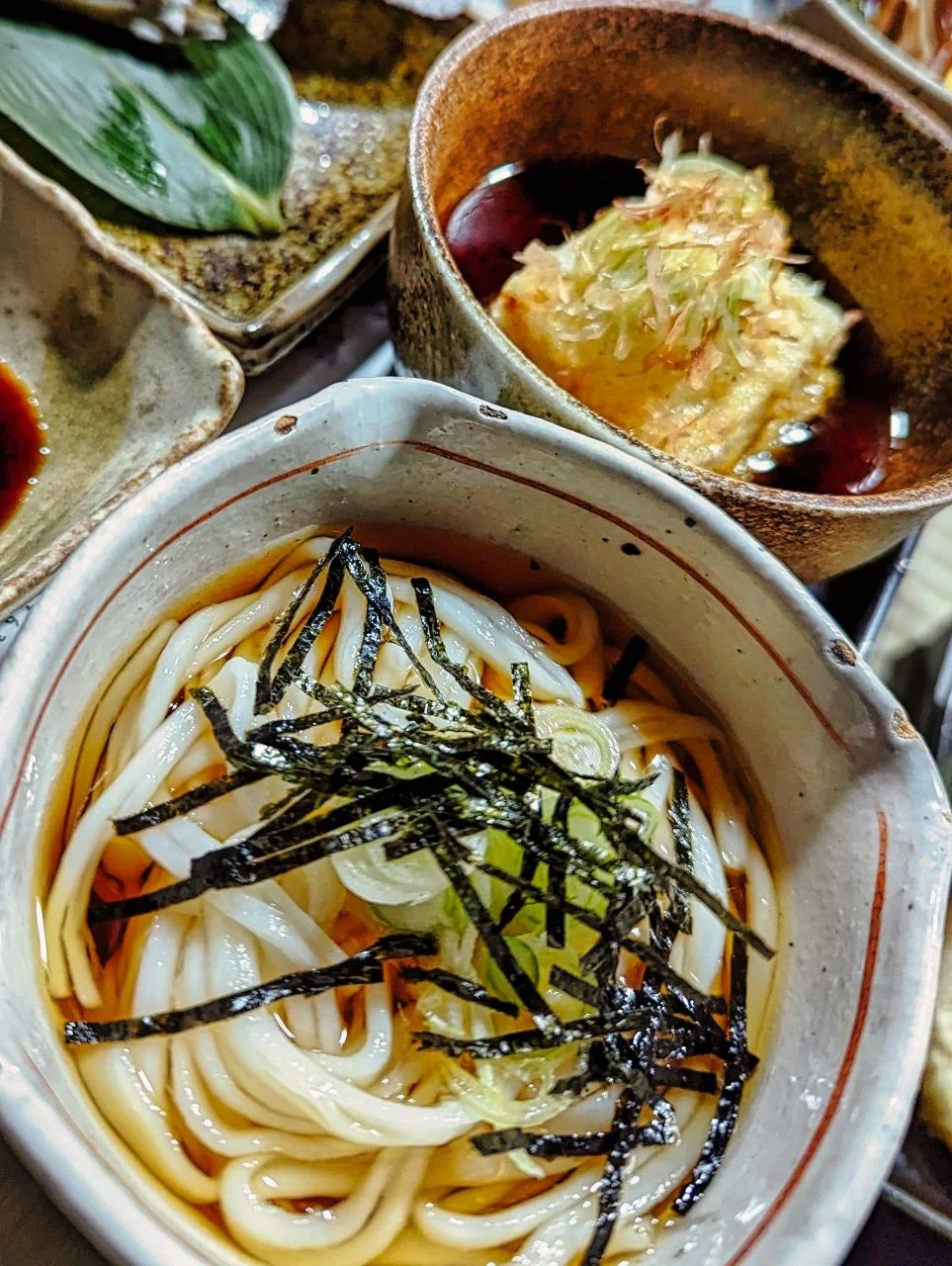
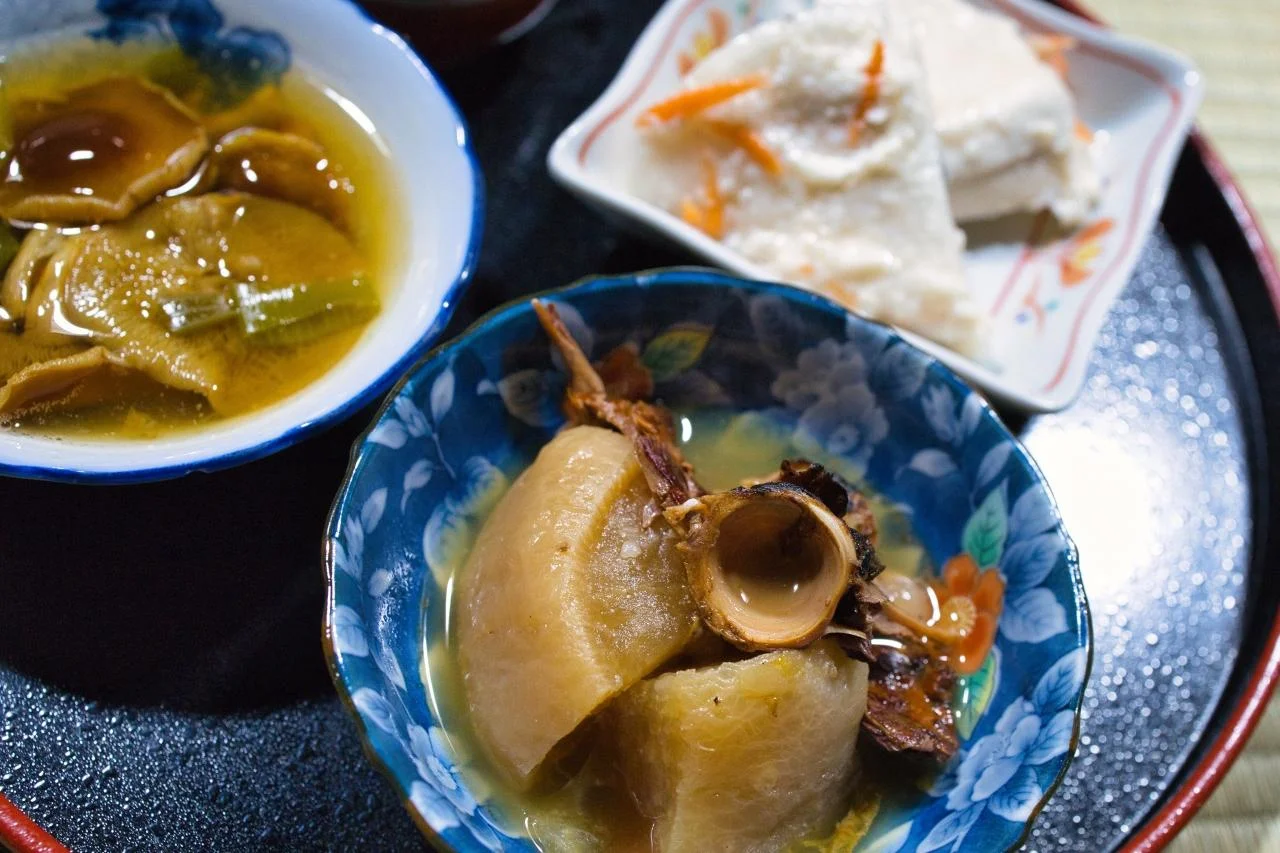
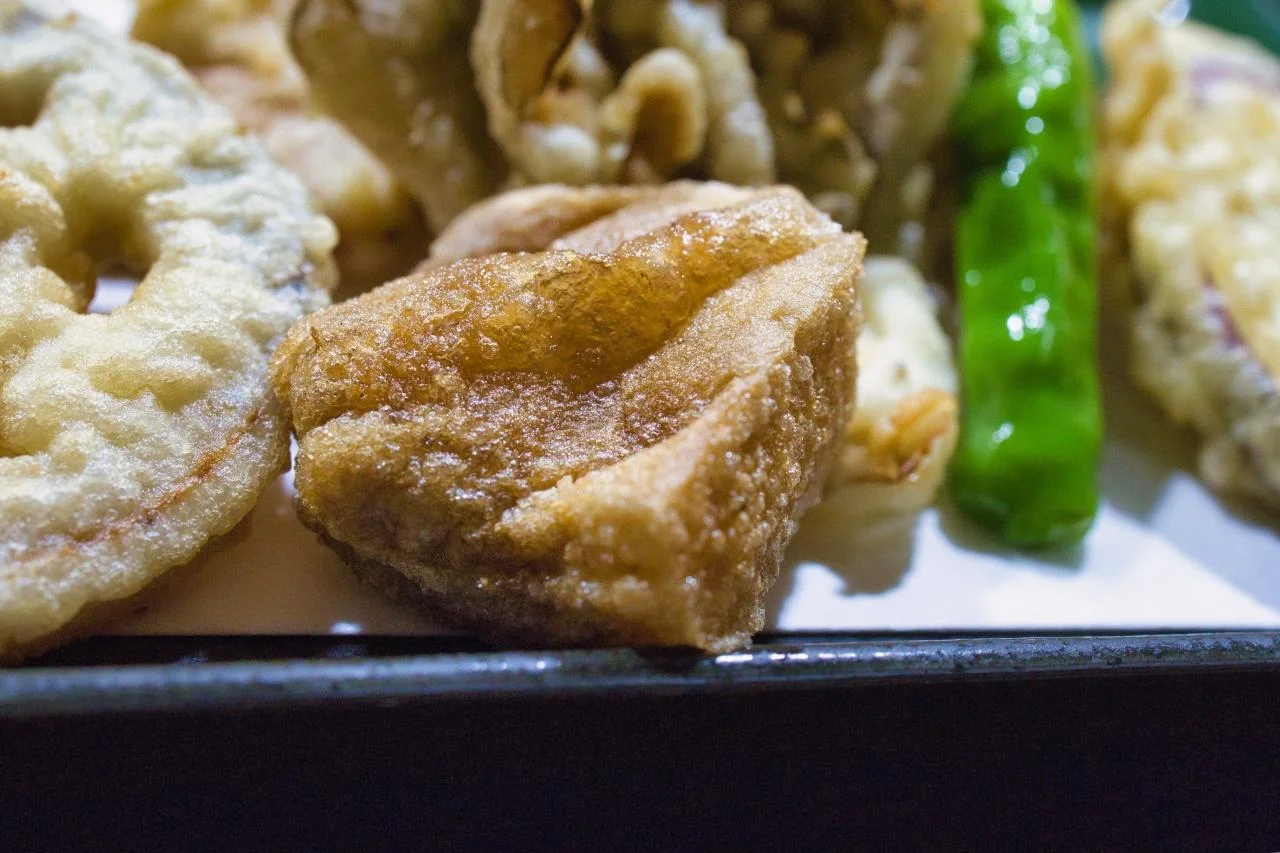
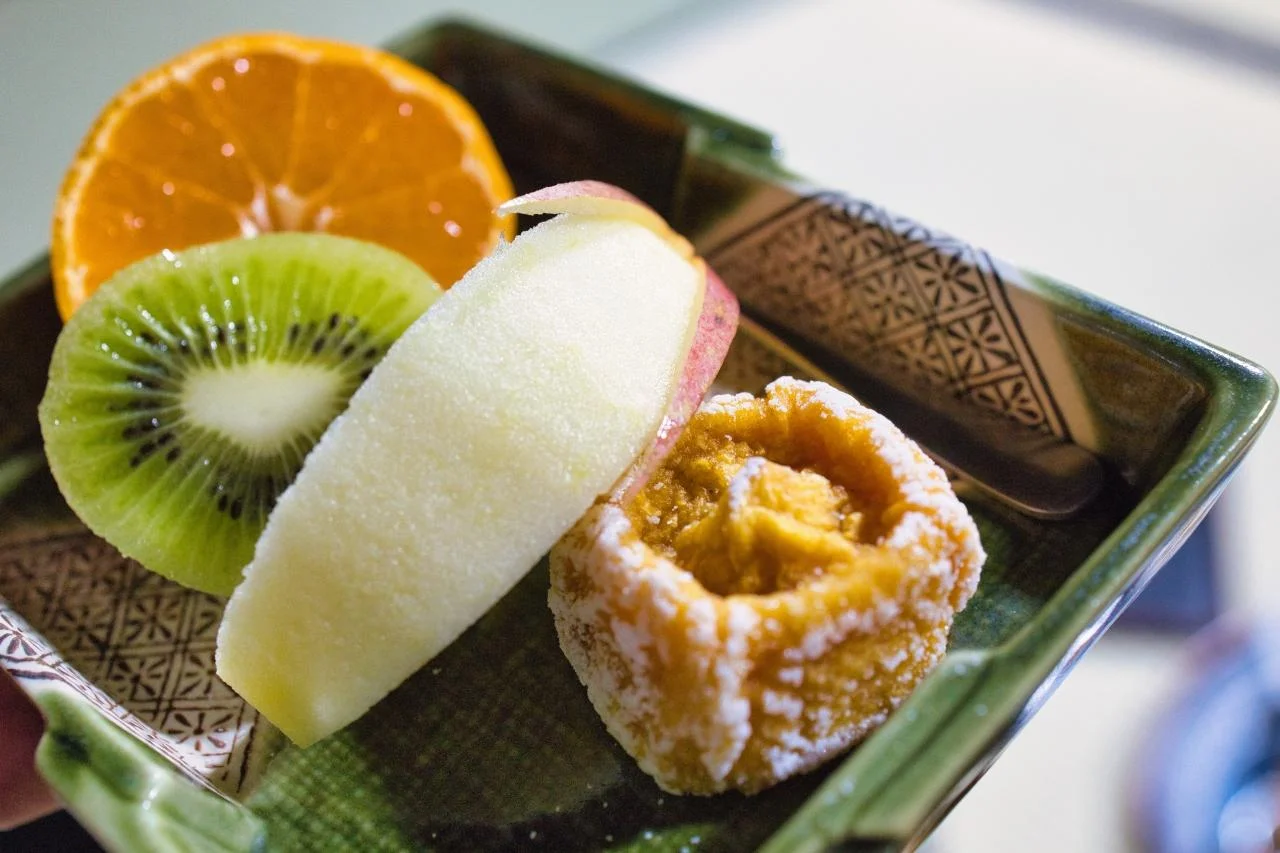
Dinner by the Hearth: Tastes of Gokayama
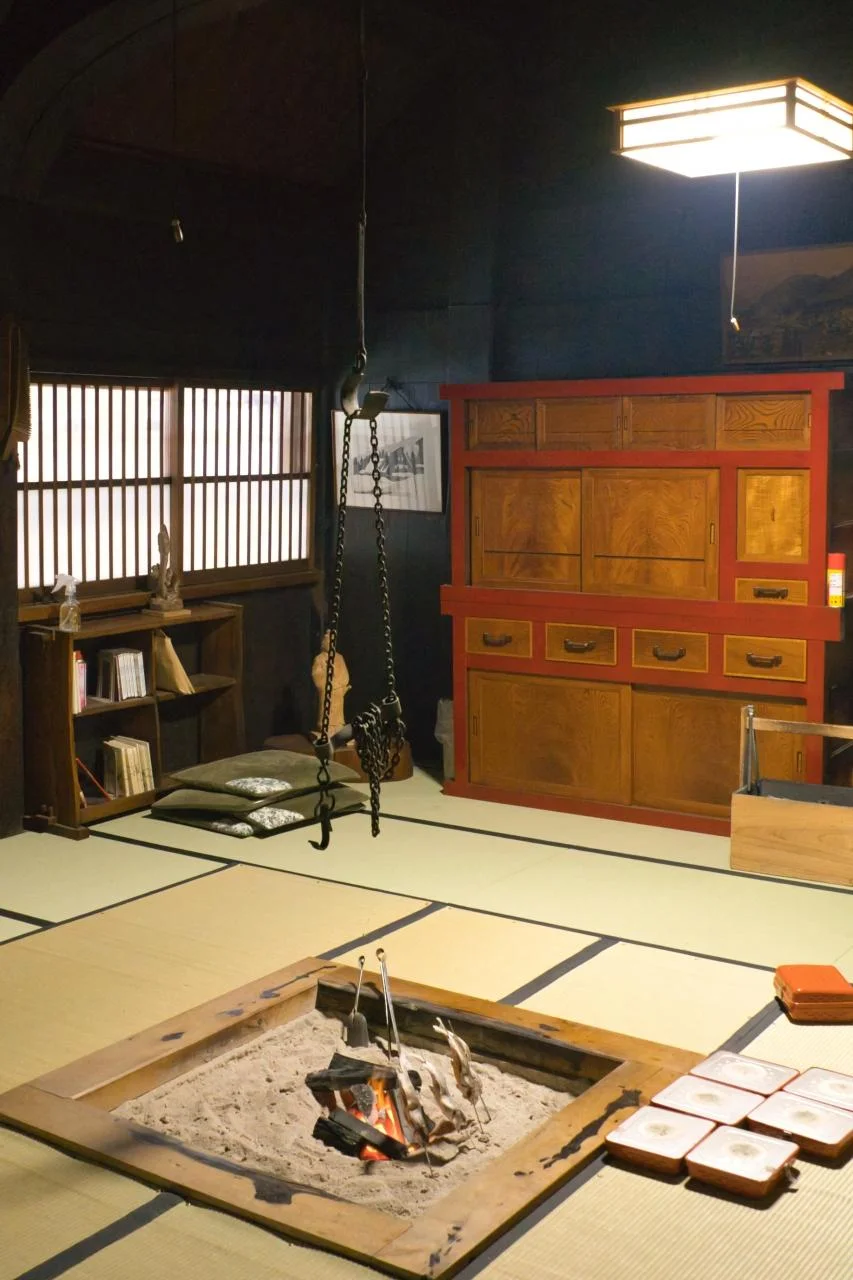
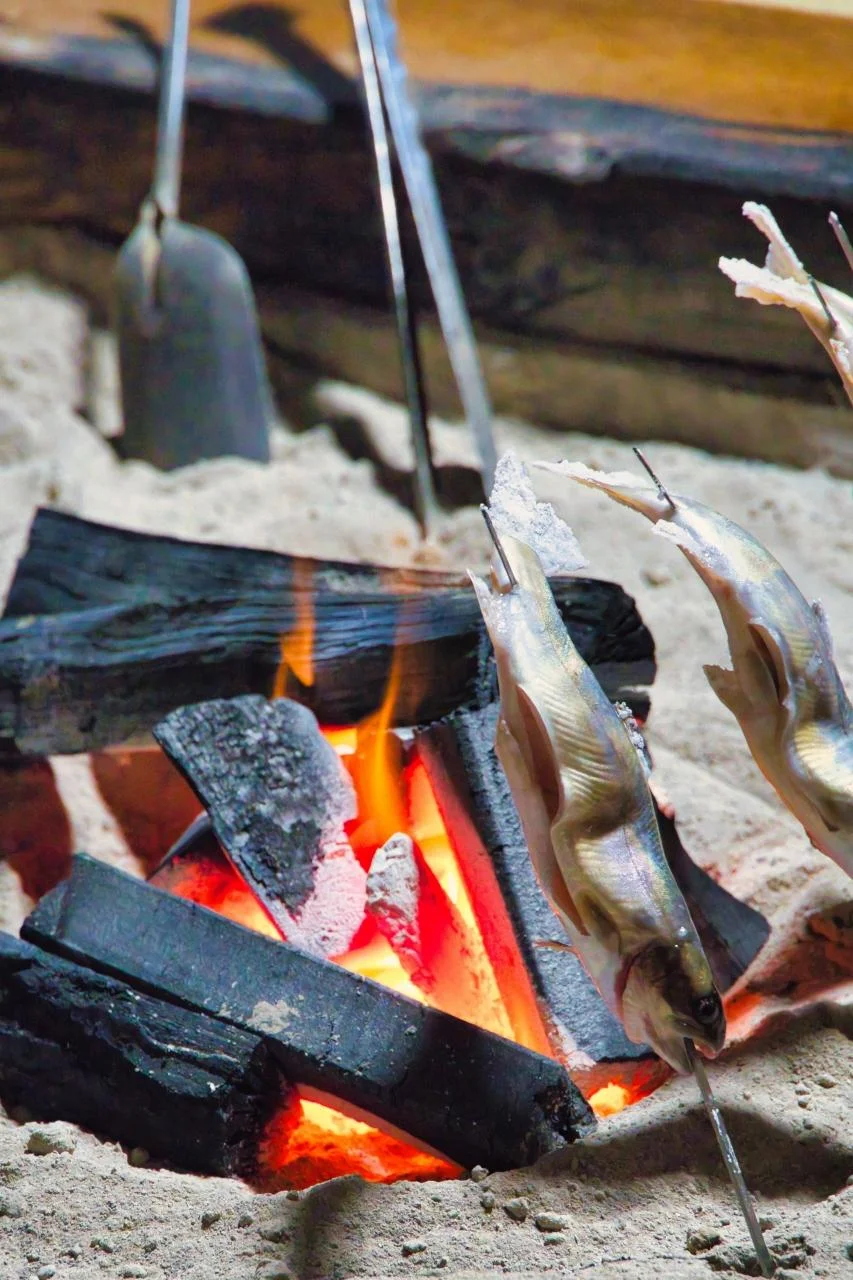
Finally, dinner time! We gathered around the irori (hearth) and tucked into the local flavours of Gokayama.
The aroma of the river fish grilling slowly over the hearth was just filling the whole room, and it really got my appetite going, mate.
Between the freshly fried mountain vegetables, the chewy Himi udon, and the ‘Tochimochi (acorn cake) tempura’—which I tried for the first time—it was an absolute feast of mountain and sea delicacies.
The highlight had to be Toyama’s specialty, ‘Kabura Sushi’ (turnip sushi); the crunchy texture and fermented flavour were sensational and surprisingly filling.
I was totally taken by these simple yet profoundly deep mountain flavours that you can only find here, and I had a huge smile on my face as I polished off every dish.
This culinary highlight capped off an amazing day during the Shirakawa-go Gassho-zukuri Winter Snow Village Trip.
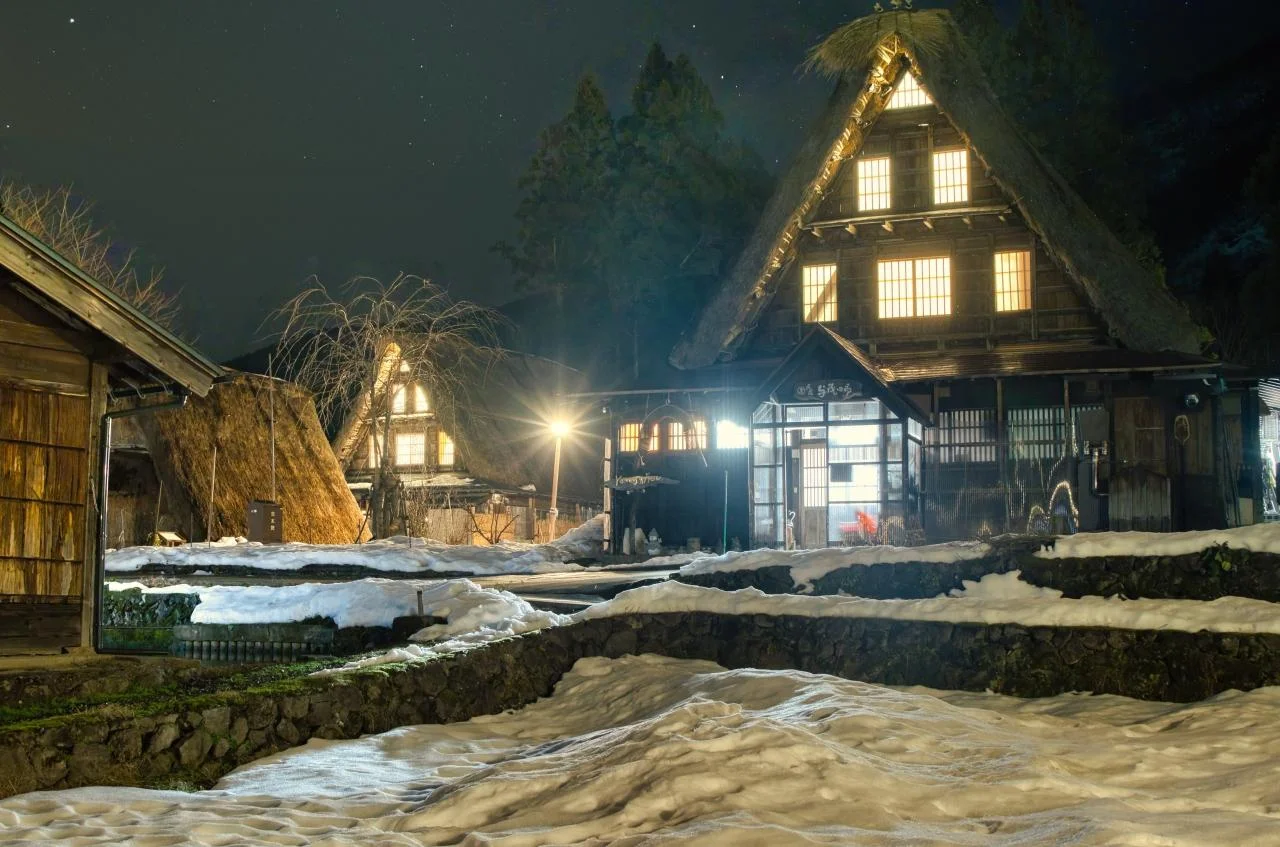
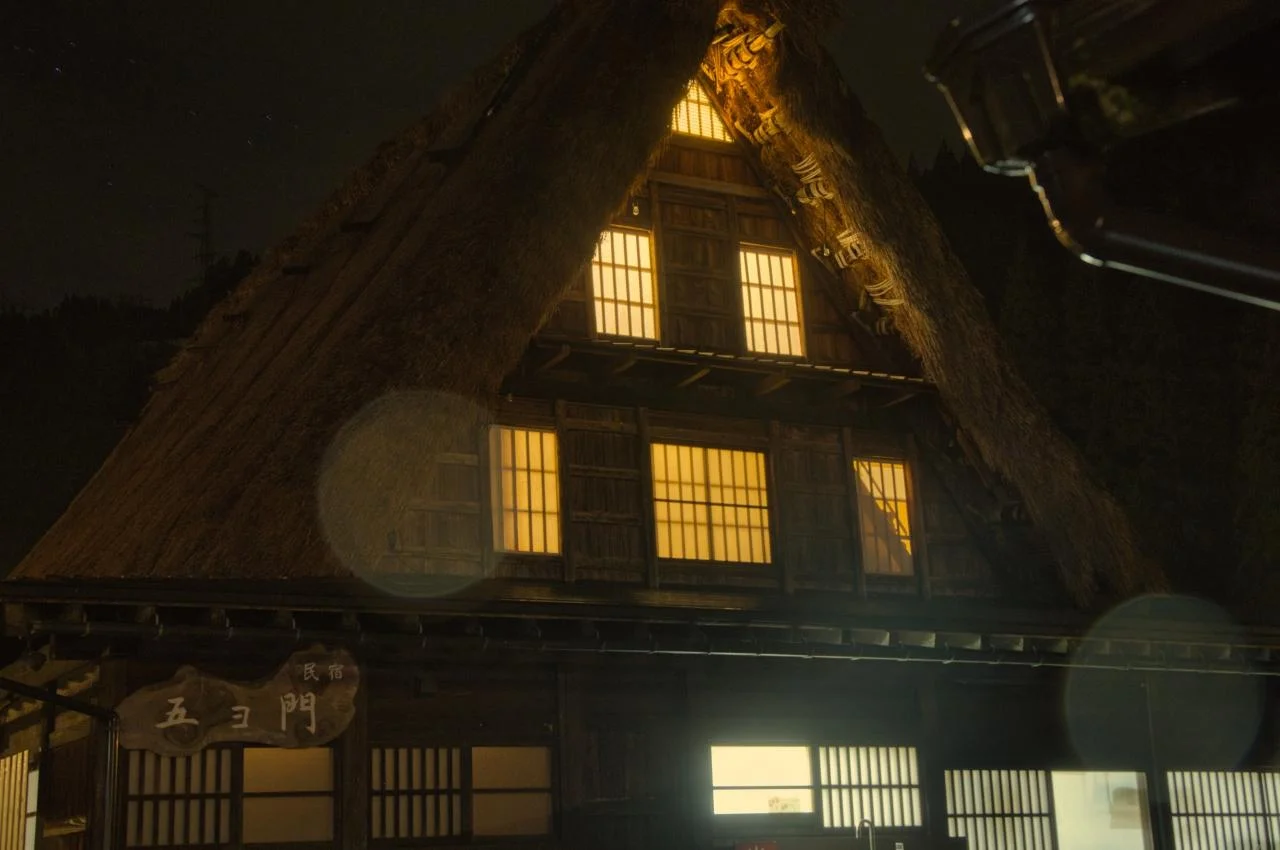
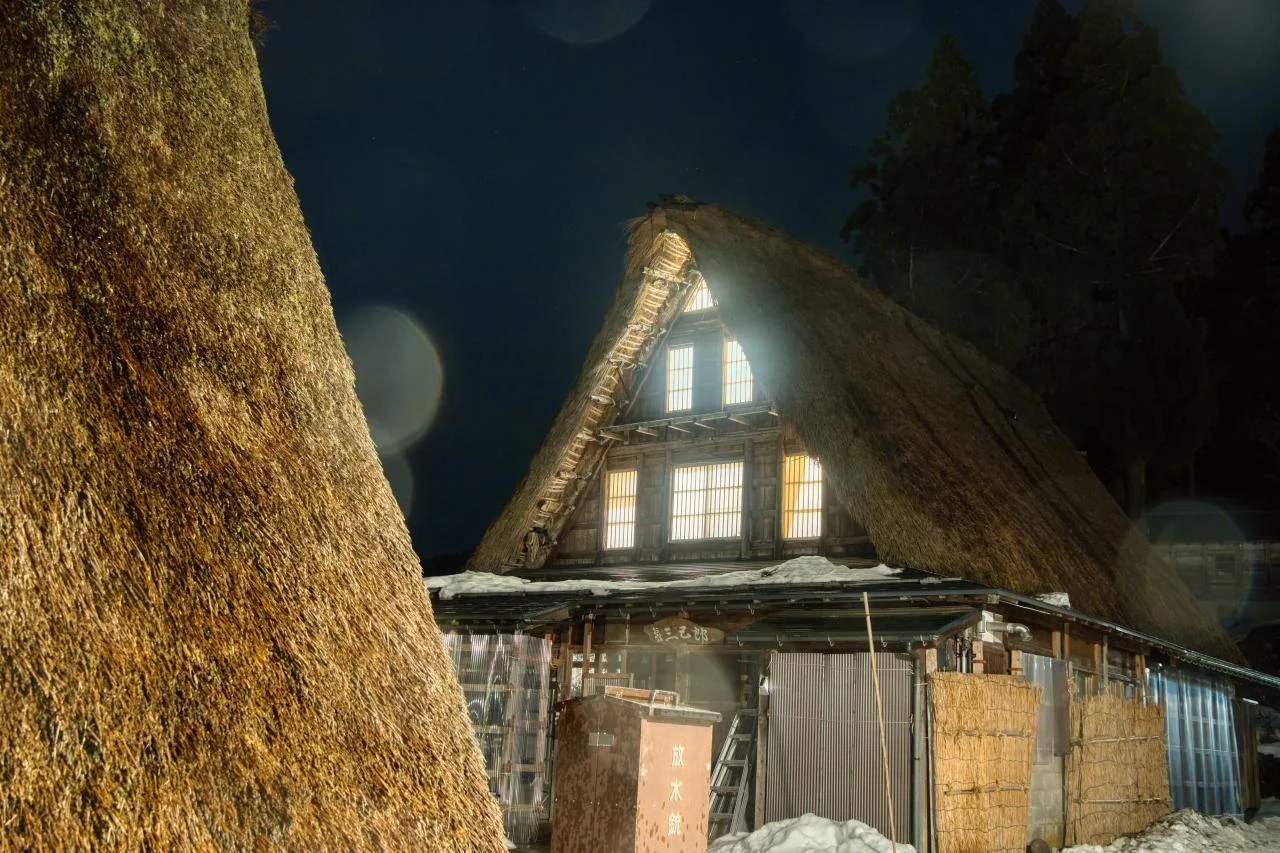
Night Stroll and the Magic of the Bean Stove
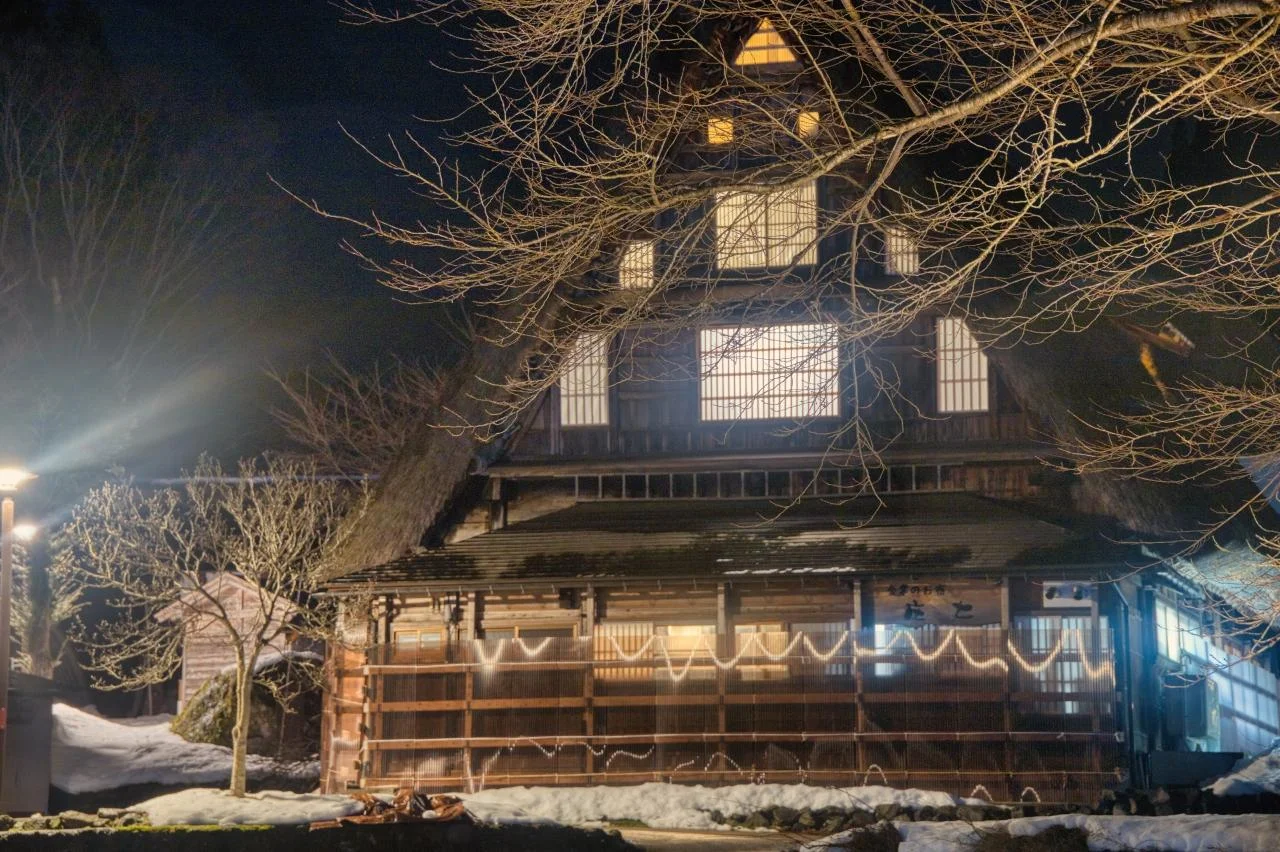
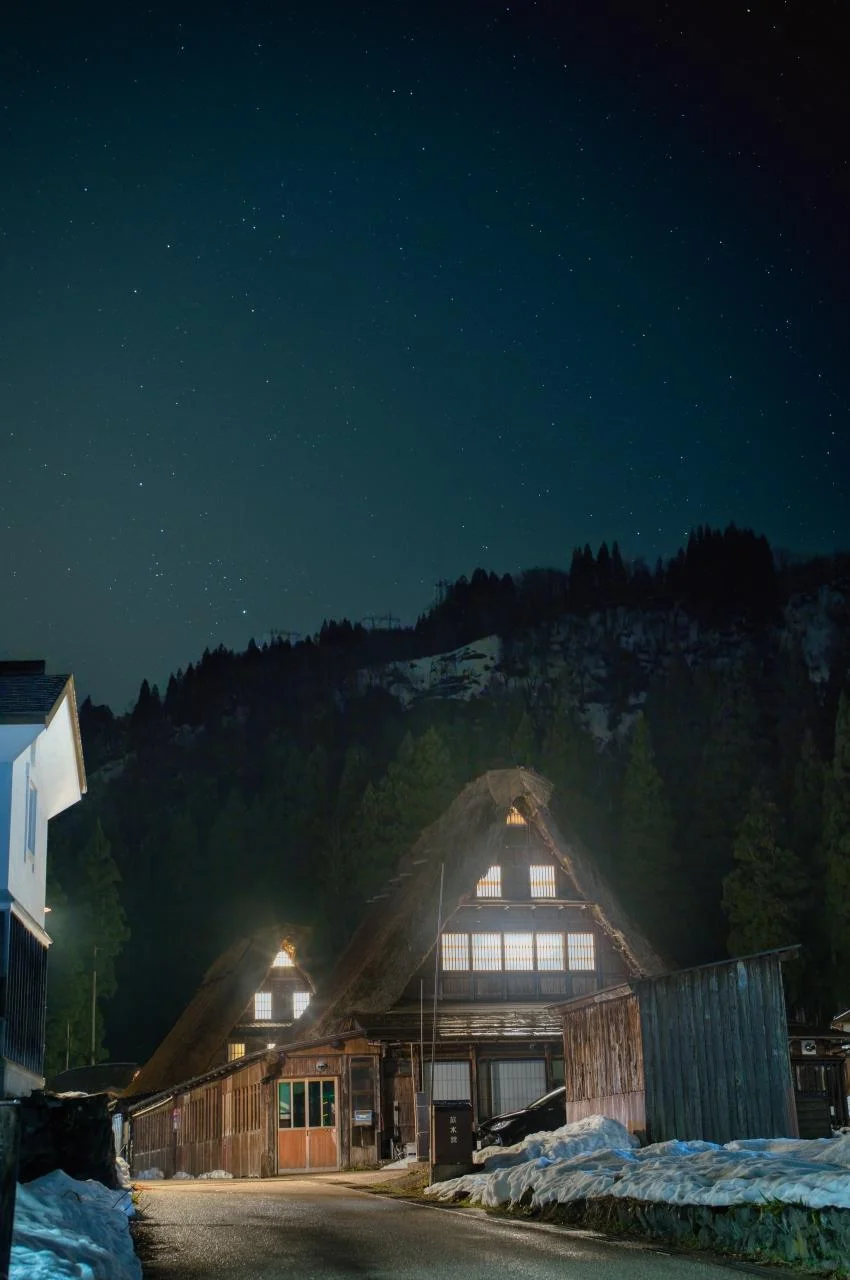
After dinner, I headed outside, and the village was softly lit, completely immersed in the night.
The owner mentioned that since it gets too cold to leave the second-floor windows open in winter, they often just use timers to keep the lights on, but that made the whole village glow like it was covered in warm lanterns.
It was a tad disappointing that there wasn’t much snow for January, but the sight of the Gassho-zukuri houses slightly wet from the rain was still incredibly atmospheric.
In my bed, I found the old-school ‘bean stove (mametan anka)’—a coal heater—which I hadn’t seen in ages, and the warmth radiating up from my feet helped me sleep like a log.
I did wake up briefly due to a small earthquake tremor early in the morning, but I quickly drifted back into the profound stillness of the village 🙂
It was a perfect end to the first day of my Shirakawa-go Gassho-zukuri Winter Snow Village Trip.
The Dawn Mist: A Sight Only Guests See
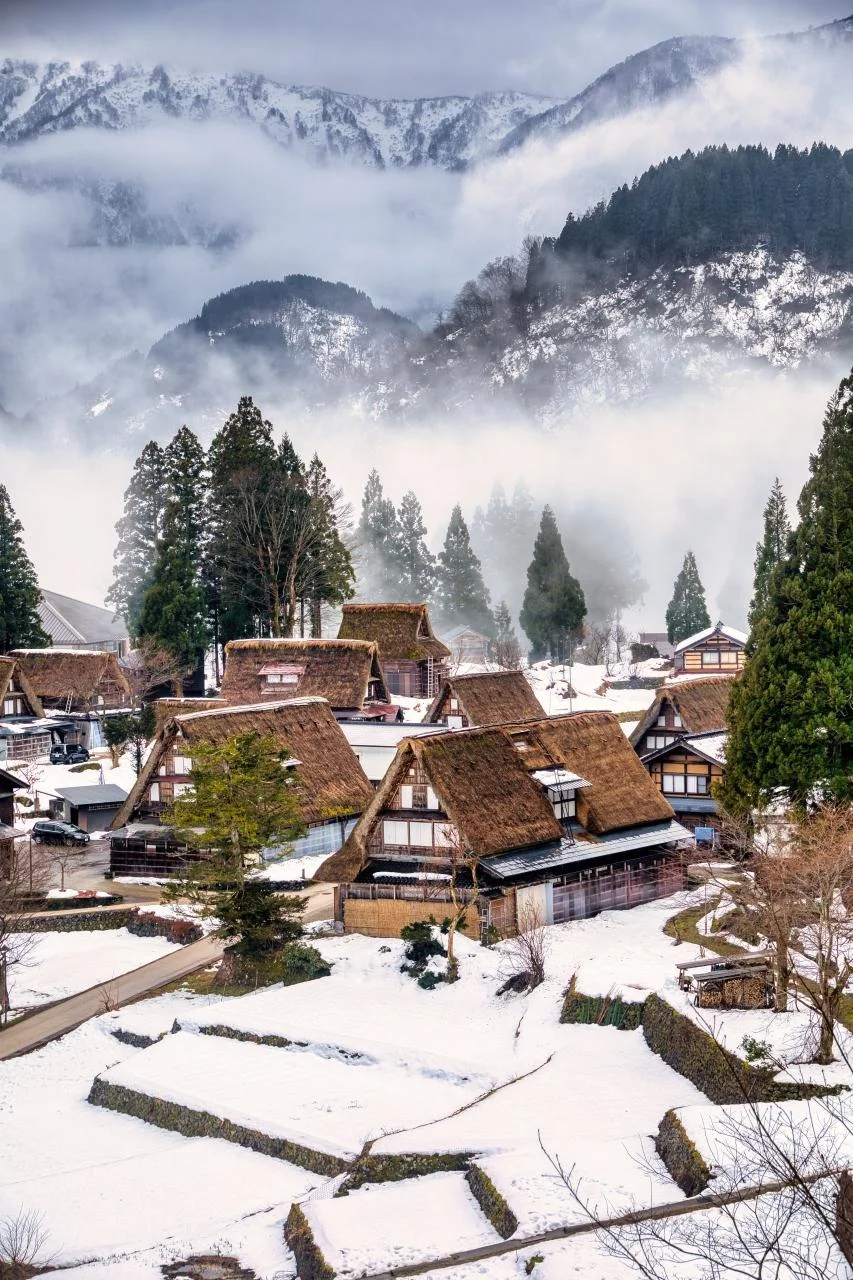
The next morning at 7 AM, I ventured out for a silent dawn stroll, a luxury only the overnight guests get to experience.
The entire village was shrouded in a thick morning mist, looking absolutely ethereal and magical, like something out of an old deity’s realm.
Steam was rising off the thatched roofs, and smoke curled gently out of a chimney as someone cooked breakfast—it was just the most peaceful scene imaginable.
I hiked back up to the viewpoint and watched the mist slowly dissipate over the cluster of houses, capturing what was easily the most precious moment of this entire Shirakawa-go Gassho-zukuri Winter Snow Village Trip.
The sight of the Gassho-zukuri houses standing proud amidst the morning mist and snow-dusted ground was truly unforgettable 🙂
This is the definitive reason to book an overnight stay during your Shirakawa-go Gassho-zukuri Winter Snow Village Trip.
Farewell Feast: Toyama’s Seafood Delights
After a reluctant checkout, I caught the bus via Johana Station and headed back to Toyama Station.
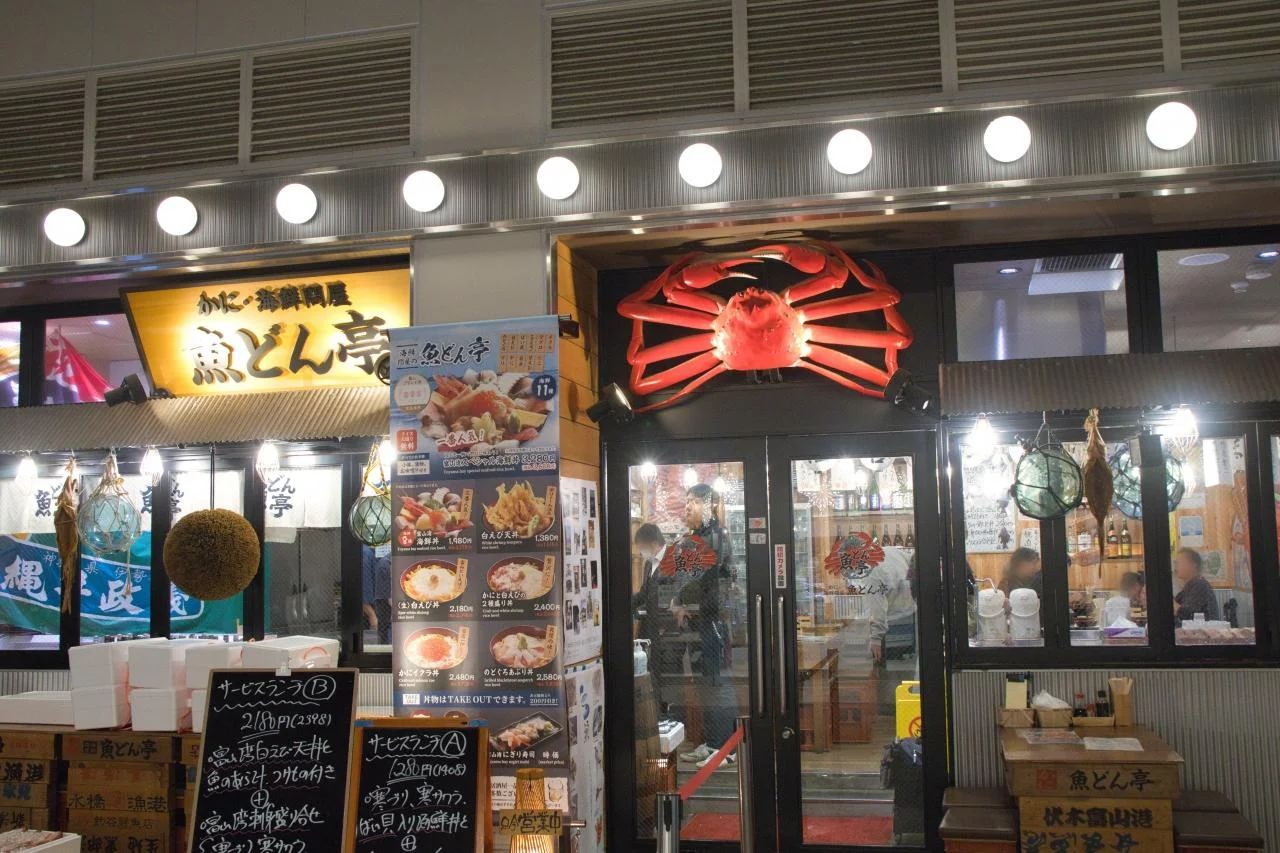
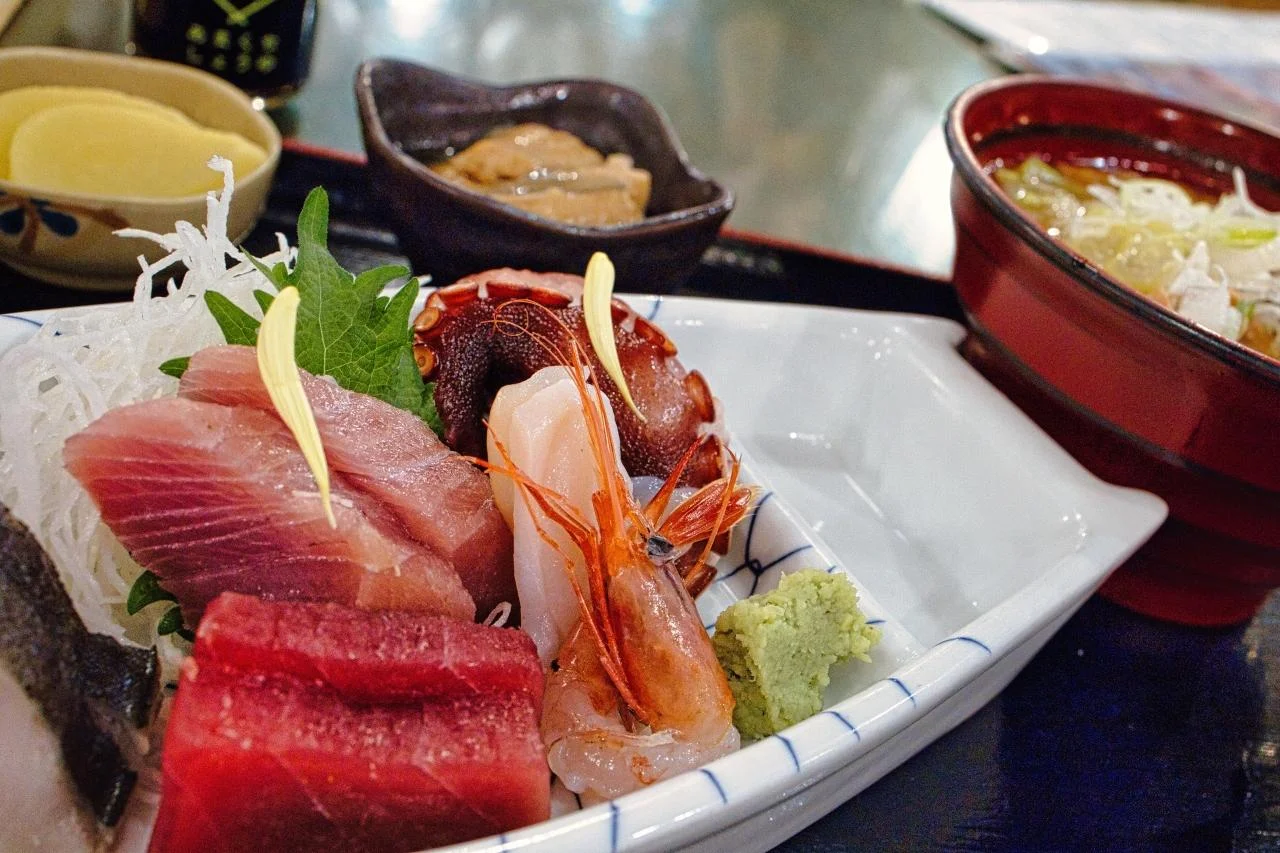
You’ve got to finish a trip to Toyama with seafood!
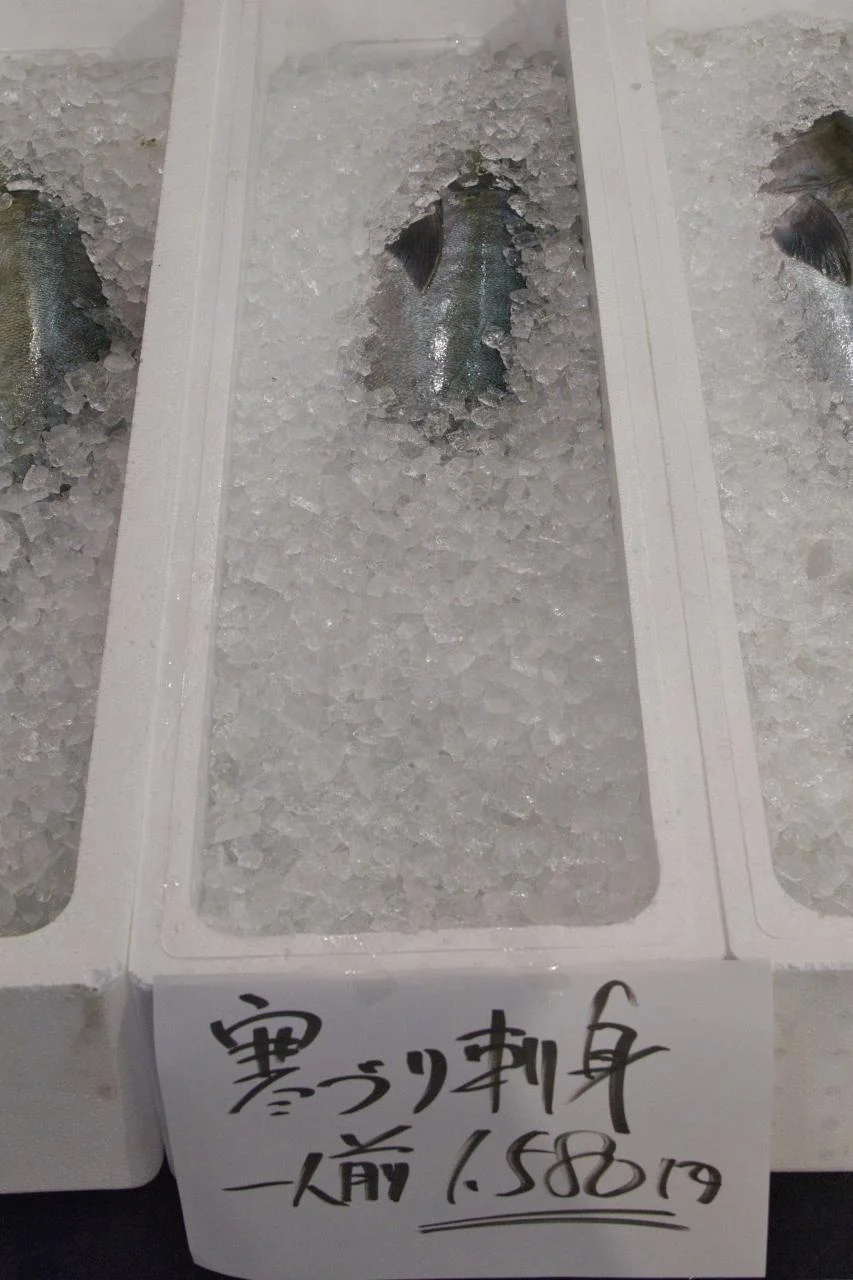
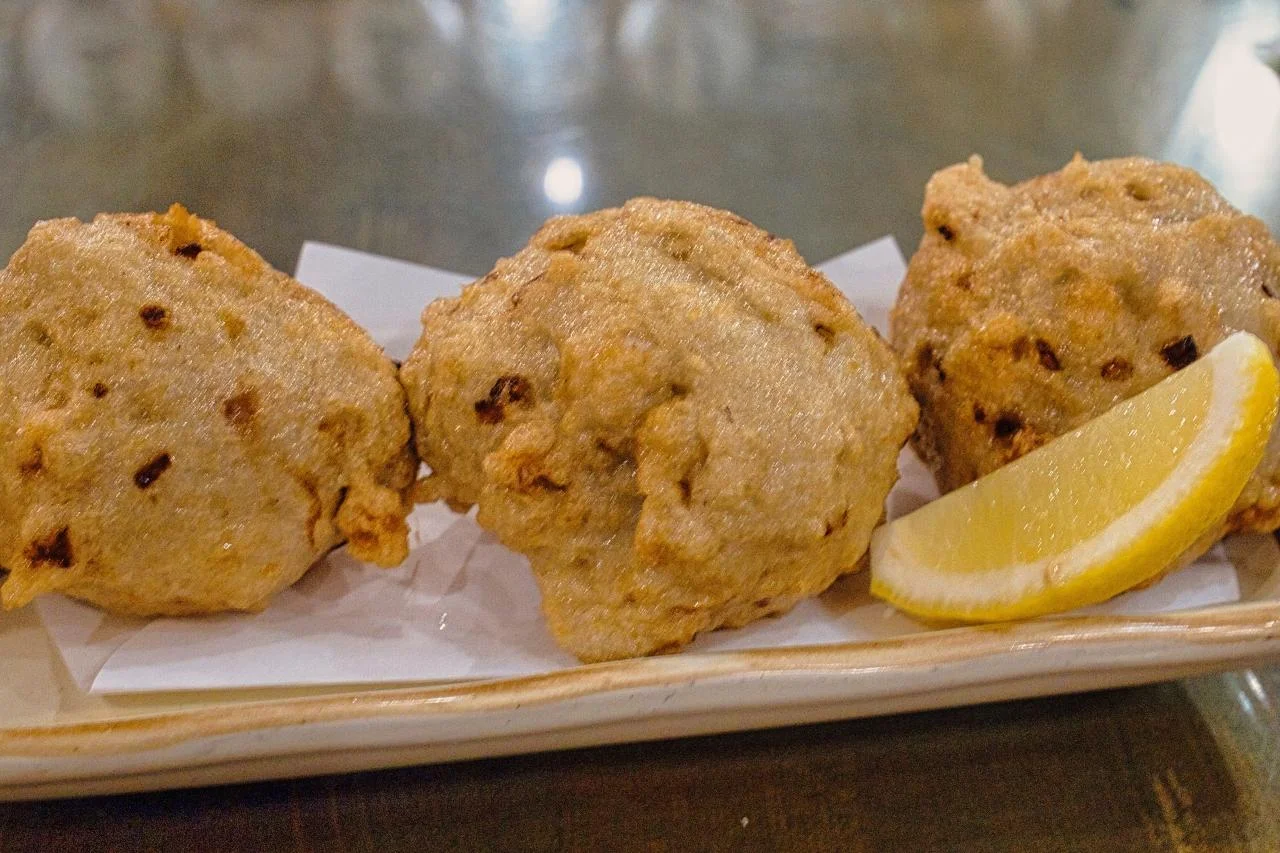
I ordered fresh yellowtail sashimi and ‘Toyamawan Ball’ (fried fish meat) from the restaurant area inside the station.
The melt-in-your-mouth richness of the yellowtail paired with the hearty fried fish balls was so brilliant, I couldn’t stop eating even though I was stuffed.
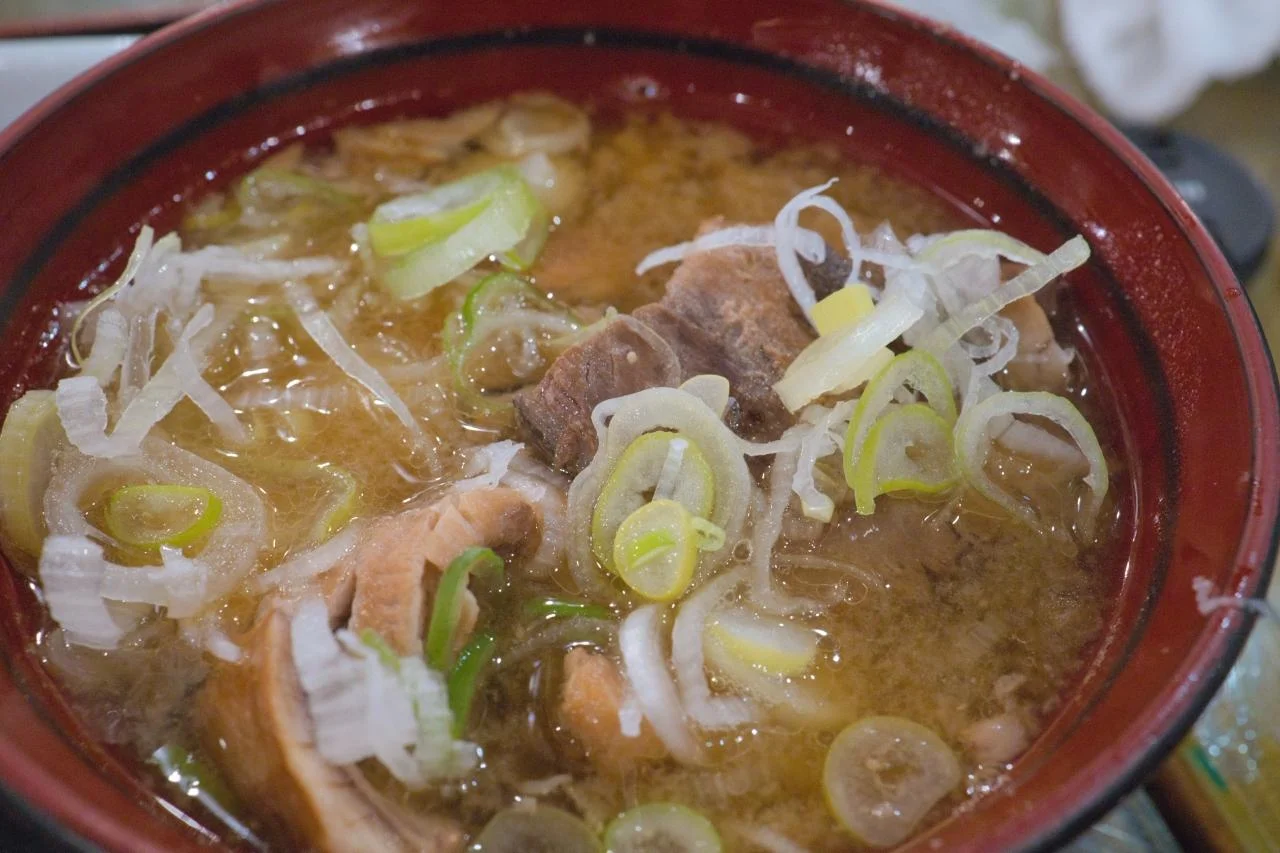
I warmed up my insides with a hearty bowl of miso soup made with fish scraps and reflected on all the memories from the trip.
The deep history of Gokayama, the gorgeous dawn mist, and the satisfying flavours of Toyama—it was truly a perfect, restorative getaway and the best Shirakawa-go Gassho-zukuri Winter Snow Village Trip I could have asked for 🙂
The experience of this Shirakawa-go Gassho-zukuri Winter Snow Village Trip was unmatched.
🌍 View in other languages
https://matotour.com/?p=5833
https://matotour.com/?p=5832
https://matotour.com/?p=5831
https://matotour.com/?p=5837
https://matotour.com/?p=5836
https://matotour.com/?p=5830